AFM, DFM & VCM Guide
AFM, DFM & VCM Cylinder Deactivation: How It Works, Common Problems, and How to Turn It Off
Is cylinder deactivation hard on your engine — or just on your fuel bill? AFM, DFM, VCM and MDS are four names for one idea: shut off the cylinders you don't need. It runs quietly for years, and then — on a known set of engines — it shows up as a tick, oil that disappears between changes, and a repair quote. Here's how each system works, what actually goes wrong, and every way people turn it off, including the free methods that genuinely work.
01 — Four Names, One Idea
What Is AFM? Active Fuel Management, DFM, VCM and MDS in Plain English
Every large engine family has the same trick in its toolbox: when you're cruising or idling, stop burning fuel in cylinders you don't need. The badge on the back of the engine decides what that trick is called, how it works inside, and — when it breaks — what the repair looks like.
AFM — Active Fuel Management
AFM stands for Active Fuel Management. On a GM V8 it parks four cylinders under light throttle and runs the engine as a V4, using oil pressure to collapse special lifters. It's the system on most 2007–2018 Silverado, Sierra, Tahoe, Yukon and Escalade V8s — and GM's earlier name for exactly the same hardware was Displacement on Demand, or DOD.
DFM — Dynamic Fuel Management
GM's replacement for AFM, starting with the 2019 Silverado and Sierra. Instead of one fixed set of four, DFM can park any combination and rotates which cylinders rest each engine cycle — 17 firing patterns in all. It's on the 5.3L L84 and 6.2L L87 V8s, and it's why "does my truck have AFM or DFM" became the first question to answer.
VCM — Variable Cylinder Management
Honda's version, first seen on the 2005 Odyssey. VCM parks the rear bank of three cylinders under light load; engines built from 2008 to 2012 also ran a brief four-cylinder stage between six and three. It's on the Odyssey, Pilot, Accord V6 and Acura's J-series V6s — and instead of collapsing lifters, Honda unlocks the rocker arms so the valves never open.
MDS — Multi-Displacement System
Chrysler's answer, debuting in 2005 on the 5.7L HEMI in the Chrysler 300C and Dodge Magnum R/T, reaching Ram and Jeep V8s from 2006. MDS parks cylinders 1, 4, 6 and 7 at steady throttle — the same collapsing-lifter design GM uses, so the same oil-hygiene advice applies. The 6.4L HEMI runs it too.
02 — What Actually Shuts Off
Which Cylinders Turn Off? The V8-to-V4 Map, Bank by Bank
GM numbers cylinders down each bank from the front of the engine: the driver side carries 1, 3, 5, 7, the passenger side carries 2, 4, 6, 8. When AFM engages under light throttle, the parked set is always the same — 1, 7, 6 and 4 — which is why the same cylinders keep showing up in failure reports.
| Engine / system | Cylinders firing | Cylinders parked | What's different |
|---|---|---|---|
| GM AFM V8 — 5.3L, 6.0L, 6.2L (L83, L86 and older) | 2, 3, 5, 8 | 1, 7, 6, 4 | The same fixed pattern every time. Deactivation only happens at light load — never at idle, never under real throttle. |
| GM AFM V6 — 4.3L and 3.6L | 4 of 6 | 3 and 6 | A V6 never becomes a V4 — it drops two cylinders, and GM's service information calls it out separately from the V8 strategy. |
| GM DFM V8 — 5.3L L84, 6.2L L87 | any combination | rotates | Seventeen firing patterns, reshuffled each engine cycle so wear never sits on one set of cylinders. |
| Honda VCM — 3.5L J-series V6 | front bank of three | rear bank of three | Rockers unlock instead of lifters collapsing; 2008–2012 engines add a four-cylinder stage before dropping to three. |
| Chrysler MDS — 5.7L and 6.4L HEMI | 2, 3, 5, 8 | 1, 4, 6, 7 | Identical parked set to GM's V8, identical collapsing-lifter approach — and the same sensitivity to oil condition. |
| GM LTA / LT2 — CT6 and Corvette 6.2L | 1, 4, 6, 7 | 2, 3, 5, 8 | The exception worth knowing about: these engines park the opposite set from every other GM V8. |
03 — Engines And Years
Engine Codes and Years: Which Engines Get AFM, DFM, VCM or MDS
The engine code settles every argument about what your vehicle has — same model name, same year, different hardware is routine. Match your code against this table first; every fix, part and disabler decision flows from the row you land in.
| Engine | Years | System | Where you'll find it |
|---|---|---|---|
| 5.3L V8 — LH6, LC9, LMG | 2007–2013 | AFM | Silverado, Sierra, Tahoe, Yukon, Escalade — the era behind most lifter complaints. |
| 5.3L V8 — L83 | 2014–2018 | AFM | Second-generation EcoTec3 trucks and SUVs; same fixed four-cylinder pattern. |
| 6.2L V8 — L94, L86 | 2010–2018 | AFM | Escalade first, then Silverado/Sierra 1500; the big-displacement version of the same system. |
| 5.3L / 6.2L V8 — L84, L87 | 2019–now | DFM | Current Silverado, Sierra, Tahoe, Yukon, Escalade. A few 2021 trucks left the factory with the hardware installed but a calibration that never activates it (RPO YK9). |
| 3.5L V6 — J35 (Honda) | 2005–now | VCM | Odyssey, Pilot, Accord V6, Acura MDX and RDX — one name, three generations of behavior. |
| 5.7L HEMI | 2005–now | MDS | Chrysler 300C and Dodge Magnum R/T first; Ram, Durango, Grand Cherokee and Commander from 2006. |
| 6.4L HEMI | 2011–now | MDS | SRT and Scat Pack applications — same design as the 5.7L, same advice. |
04 — When It Goes Wrong
AFM Symptoms and Trouble Codes: the Tick, the Oil Burn, P0300 and P3400
Cylinder deactivation doesn't fail randomly — it fails in a sequence owners can learn. It starts as a sound, becomes a code, then turns into oil use and, if ignored, into camshaft damage. Here's what each stage actually looks like from the driver's seat.
05 — Five Ways To Turn It Off
How to Disable AFM or DFM: Fuse, Scan Tool, Disabler, Delete or Tune
There are five routes people take when they want all cylinders firing all the time. Two of them cost nothing, one of them doesn't exist, and every one of them stops somewhere specific. This is where each one honestly ends.
| Method | What actually happens | Cost | The honest limit |
|---|---|---|---|
| 1. Pull a fuse | There isn't one. GM's service information shows the deactivation circuits are powered and monitored through the engine harness — cut their power and the computer flags a fault in the P3400 family instead of quietly running in V8 mode. The closest thing to a factory-off state is GM's own: some 2021 Silverado and Sierra trucks shipped with the deactivation hardware installed and a calibration that never activates it (RPO YK9). | Free | It doesn't exist as a method — the free trick people are really looking for is the shift-lever move at the bottom of this section, and that one works. |
| 2. A scan tool | Code readers read and clear codes; they don't rewrite engine strategy. Switching deactivation off in software means flashing the calibration with a tuner — in HP Tuners the option sits under Engine → Fuel → DOD → Disable — which is a tune, not a scan. | Free to read codes; a tuner interface and license are real money | A $30 OBD2 reader will never turn AFM off, no matter how deep the menu goes. If someone sells you a "scanner that disables AFM," ask exactly which calibration it rewrites. |
| 3. A plug-in disabler | An OBD-II module holds the computer out of deactivation while it's plugged in — no reflash, and factory behavior returns the moment you unplug it. Hondas take a different route: an inline harness in the ECT1 coolant-temperature sensor circuit keeps VCM from engaging. | About $20–$280 depending on brand and fitment | Fitment is exact — year, make, model, trim, engine. It also only prevents damage; it can't repair a lifter that already collapsed. The units below list exact applications. |
| 4. A mechanical delete (DOD delete) | The mechanical version of the same idea: DOD is GM's original name for AFM, so a DOD delete and an AFM delete are one job. The deactivation lifters and cam come out, standard parts go in, the valley oil manifold is blocked off, and a tune tells the computer what changed. A GM DOD delete kit even holds a California Air Resources Board executive order (D-752-8). | Parts plus roughly $3,000–$7,500+ in labor | Effectively permanent — it's engine work. It makes sense when the engine is already open for lifter or cam repair, not as a first move on a healthy motor. |
| 5. An ECU tune | A calibration change deletes the strategy outright: the engine simply stays in full-cylinder mode. If hardware has already been deleted, a tune is required anyway — the computer has to know the parts are gone or it will chase its own tail with misfire codes. | Tuner hardware plus software or a custom-file fee | Only reversible by returning to the original file — which is why saving it first is rule one. Full comparison: Disabler vs Delete vs Tune. |
Preventing a failure and responding to one are different jobs — and they need different rows of this table.
06 — Straight Answers
Do AFM Disablers Work? And Are They Safe? The Straight Answers
Four questions decide whether a disabler is the right move for your vehicle — and the honest answers are shorter than the marketing on either side admits.
| Question | The straight answer |
|---|---|
| Do AFM disablers actually work? | Yes — a correctly fitted module does exactly what it claims: the computer never issues the deactivate command, and the engine stays in full-cylinder mode while the module is connected. What it does not do is change the lifters inside the engine or undo damage that's already happened. "Works" means deactivation stops; it doesn't mean an unhealthy engine gets healthy. |
| Are AFM disablers safe? | The module doesn't reflash anything — it communicates through the OBD-II port on GMs or sits in a sensor circuit on Hondas, and unplugging restores the factory behavior. The real safety variables are fitment and existing faults: a module listed for your exact year and engine, installed on an engine without a collapsed lifter, is the whole story. Devices used outside their published fitment are where problems start. |
| Will it fix the tick I already hear? | No. A tick means metal is already involved — that's diagnosis and repair territory, starting with the valvetrain and possibly the camshaft. Prevention and repair are different jobs; buying a module today and driving to the shop tomorrow is still the right order, just don't expect the module to change the diagnosis. |
| Is cylinder deactivation a design flaw? | The concept isn't — every manufacturer uses some form of it, and most engines do it quietly for their whole lives. The failures cluster in specific lifters, oil hygiene and calibrations. Correct oil on schedule and a fast response to a tick change the ownership experience completely. |
07 — What Fits Your Vehicle
AFM, DFM & VCM Disablers That Fit Your Vehicle
Every unit below is matched to a year, model and engine — not just a badge. Find your vehicle, then confirm the engine line on the product page before ordering.
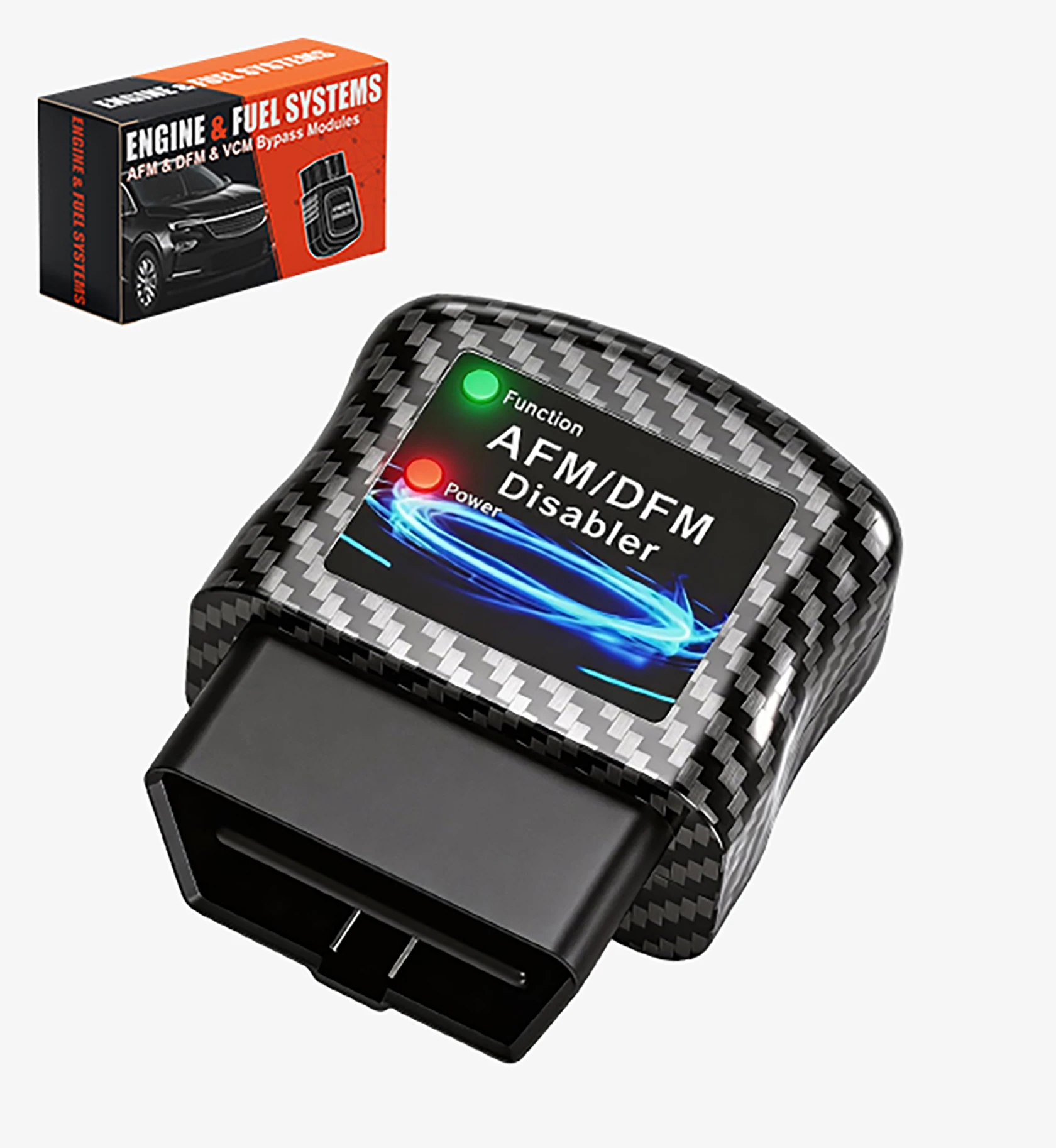 2007–2018 Chevrolet Silverado 1500
AFM/DFM Disabler · OBD-II
$79.99
4.3L V6 (2014–18) · 5.3L / 6.0L V8
2007–2018 Chevrolet Silverado 1500
AFM/DFM Disabler · OBD-II
$79.99
4.3L V6 (2014–18) · 5.3L / 6.0L V8
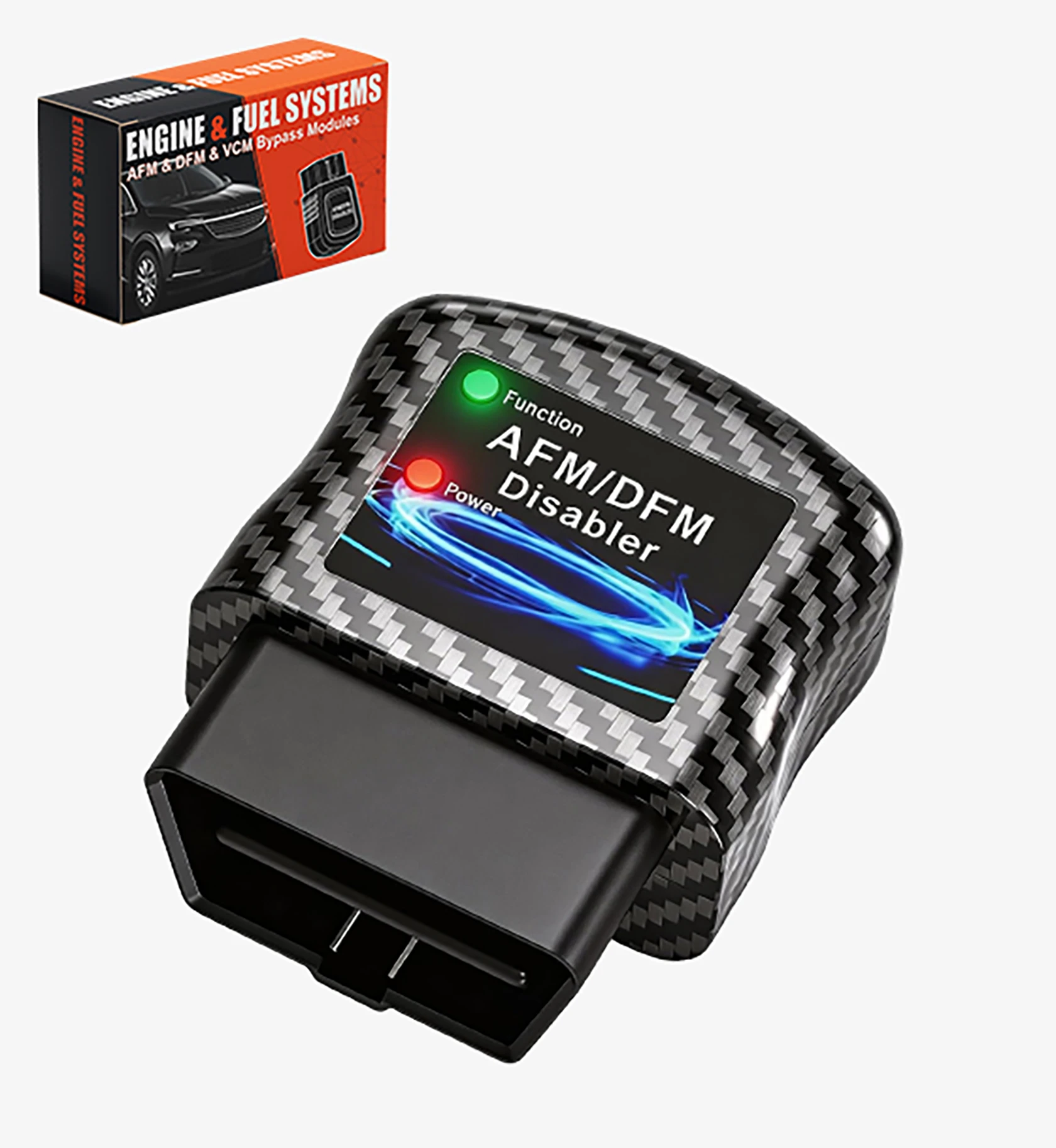 2007–2018 GMC Sierra 1500
AFM/DFM Disabler · OBD-II
$79.99
4.3L V6 · 5.3L / 6.0L / 6.2L V8
2007–2018 GMC Sierra 1500
AFM/DFM Disabler · OBD-II
$79.99
4.3L V6 · 5.3L / 6.0L / 6.2L V8
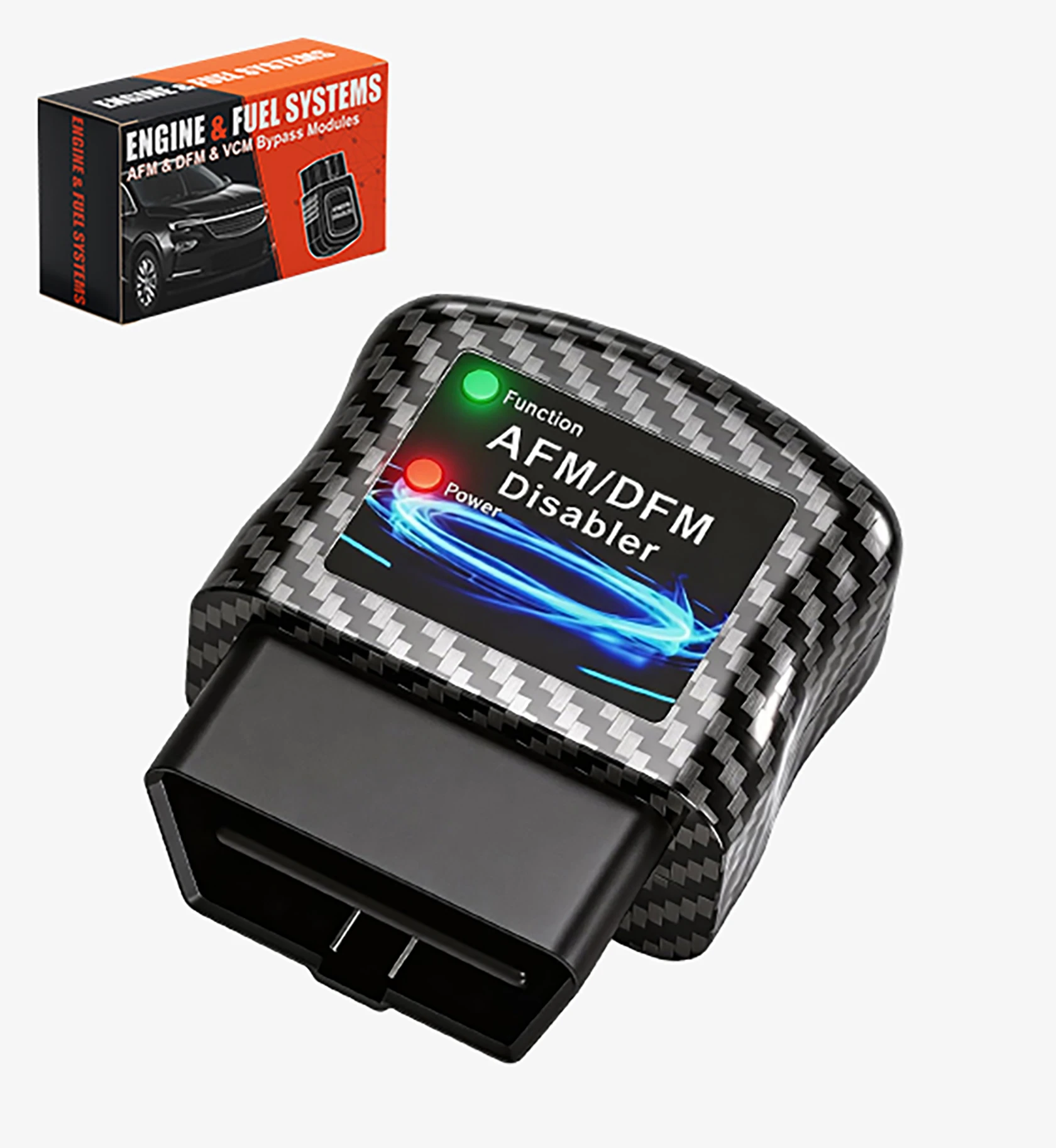 2007–2018 Chevrolet Tahoe
AFM/DFM Disabler · OBD-II
$79.99
5.3L V8 · 6.0L (2007–14) · 6.2L (2010–17)
2007–2018 Chevrolet Tahoe
AFM/DFM Disabler · OBD-II
$79.99
5.3L V8 · 6.0L (2007–14) · 6.2L (2010–17)
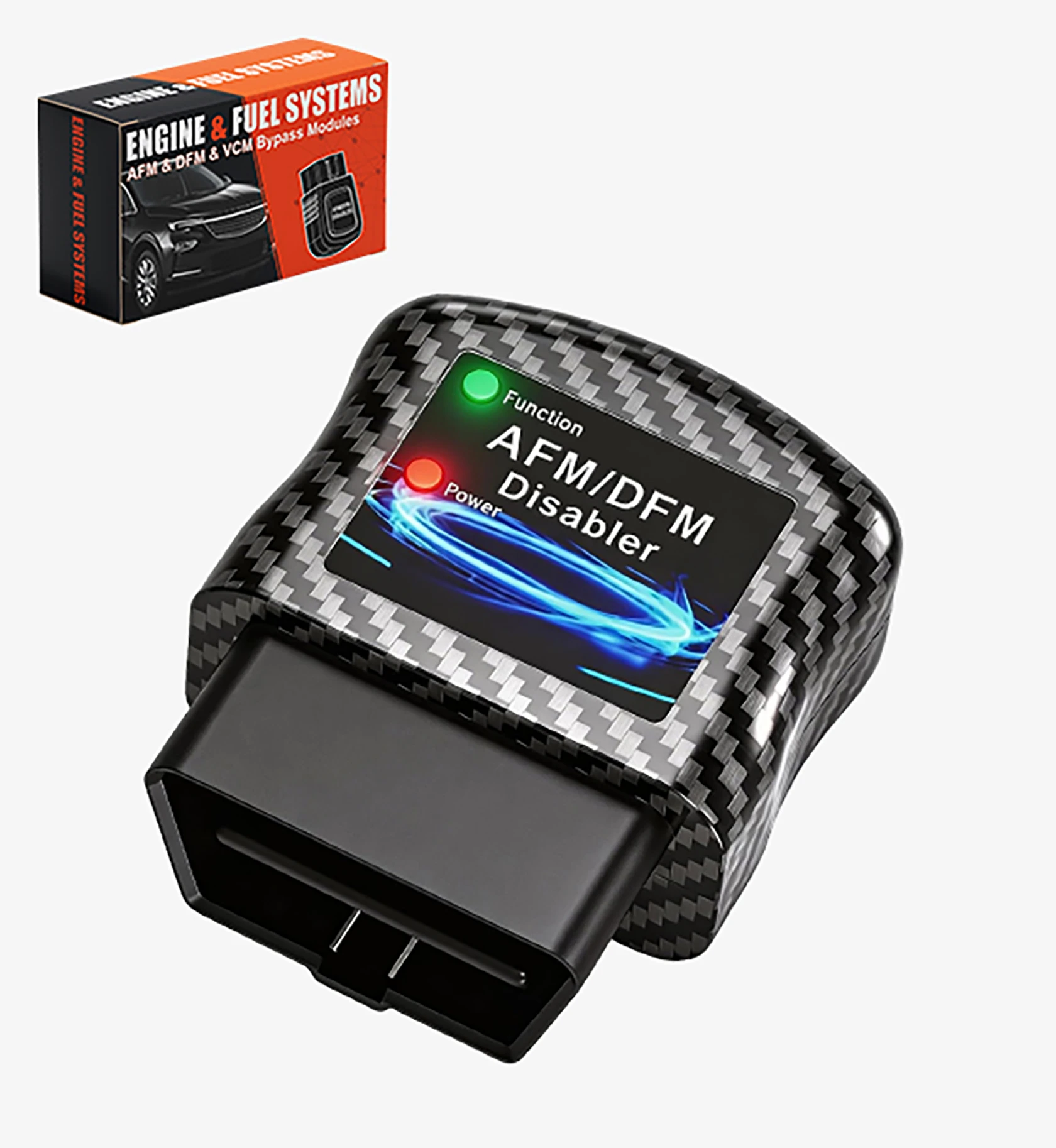 2010–2017 Cadillac Escalade
AFM Disabler · OBD-II
$79.99
6.2L V8 only — not ESV, EXT or Hybrid
2010–2017 Cadillac Escalade
AFM Disabler · OBD-II
$79.99
6.2L V8 only — not ESV, EXT or Hybrid
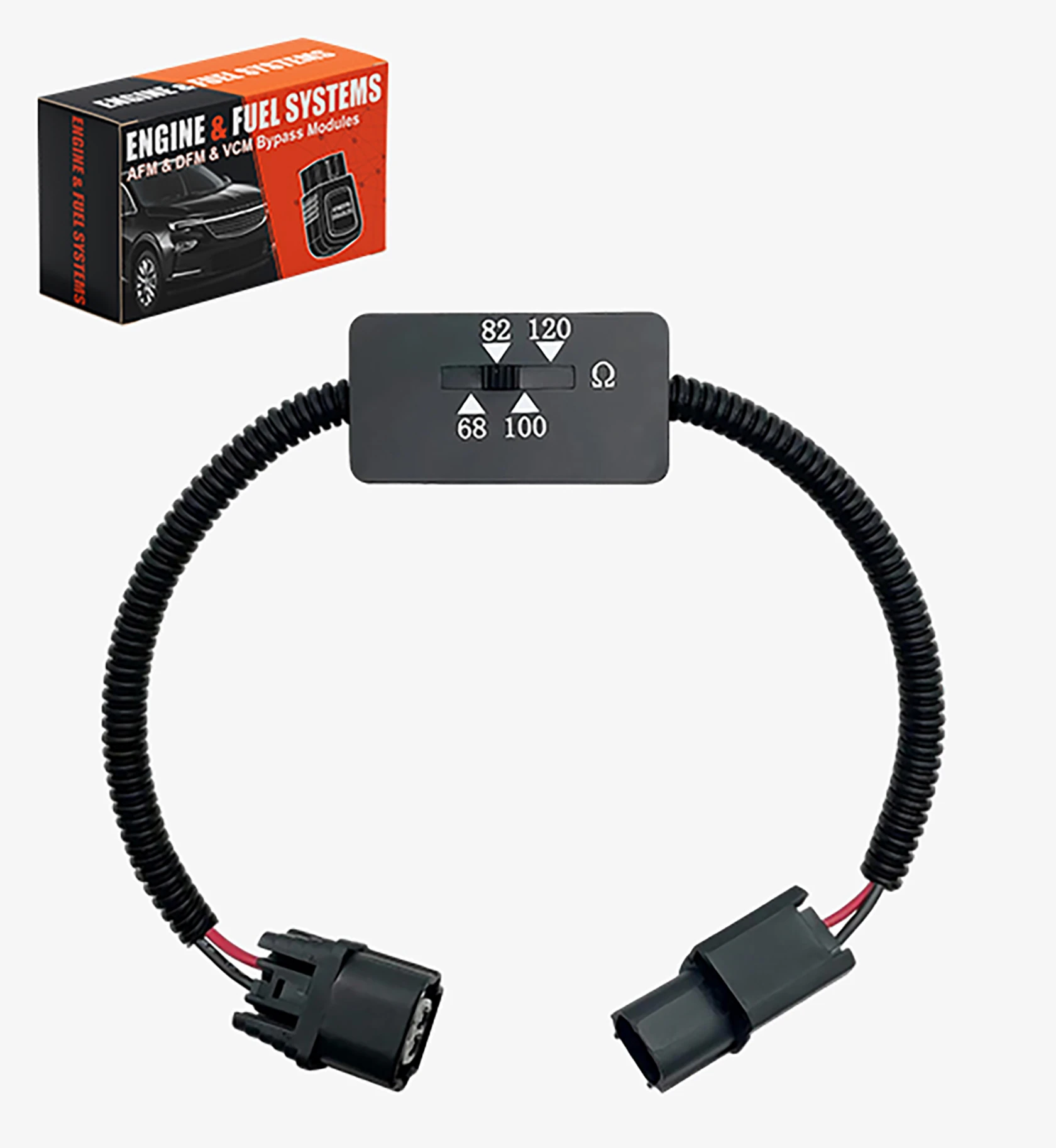 2005–2026 Honda Odyssey
VCM Disabler Harness · ECT1
$79.99
3.5L V6 · Confirm VCM equipment first
2005–2026 Honda Odyssey
VCM Disabler Harness · ECT1
$79.99
3.5L V6 · Confirm VCM equipment first
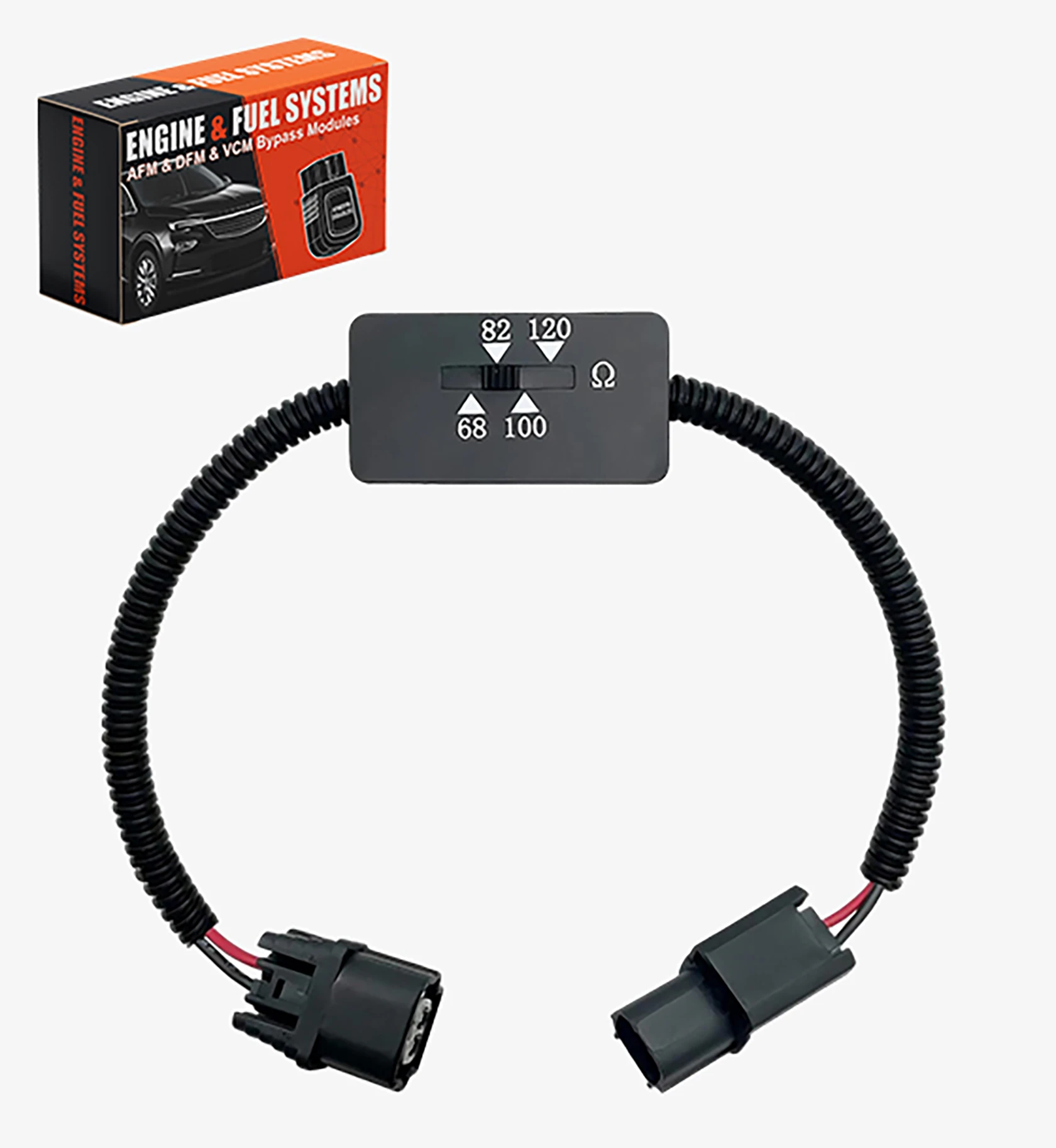 2009–2026 Honda Pilot
VCM Disabler Harness · ECT1
$79.99
3.5L V6 · 2023+ verify before you rely on it
2009–2026 Honda Pilot
VCM Disabler Harness · ECT1
$79.99
3.5L V6 · 2023+ verify before you rely on it
Don't see your vehicle? The full AFM, DFM & VCM disabler catalog covers more trucks, SUVs and Hondas, and the vehicle compatibility guide shows how to check year, trim and engine. For brand-specific details, see our Chevrolet, GMC and Honda guides.
08 — Honda Owners: VCM
How to Disable Honda VCM: Odyssey and Pilot, Step by Step
Honda owners don't get an OBD-II answer. VCM is governed through the ECT1 coolant-temperature sensor circuit, so the device that works is a harness plugging in between the sensor and its factory connector — reversible, nothing written to the ECU, no tools beyond your hands. Here is the install, and the model-year traps worth knowing before you start.
2005–2026 Odyssey: What to Check First
Fitment runs 2005 through 2026, but VCM wasn't standard on every trim until the 2011 redesign — confirm an earlier Odyssey actually has VCM before ordering. 2005–2006 require the male-connector modification; 2007 and newer are straight plug-and-play. And don't use the ECON light as your test on 2018-and-newer Odysseys — newer dashboards don't use it to show VCM activity.
2009–2026 Pilot: Two Cautions
Honda has documented VCM on the Pilot the whole way — six-, four- and three-cylinder modes from 2009, still one bank off today. Two cautions: the 2016–2022 Pilot has no ECO light tied to VCM, so there's nothing on the dash to use as proof; and the 2023+ J35Y8 no longer responds to the ECT1 temperature threshold the way older engines do, so treat 2023–2026 as verify-before-you-drive.
09 — Questions From Owners
AFM, DFM & VCM: Frequently Asked Questions
What is a DOD delete?
DOD stands for Displacement on Demand — GM's original name for the system it later rebranded Active Fuel Management. A DOD delete is the mechanical job: the special deactivation lifters and cam come out, standard parts go in, and the oil manifold in the valley is replaced or blocked off, usually with a tune to match. It's the opposite end of the scale from a plug-in disabler — permanent, invasive, and mostly sensible when the engine is already open for repair.
What is MDS on a HEMI?
Multi-Displacement System — Chrysler's cylinder deactivation, introduced in 2005 on the 5.7L HEMI in the Chrysler 300C and Dodge Magnum, extended to Ram and Jeep V8s from 2006. At steady throttle it parks cylinders 1, 4, 6 and 7, and Chrysler claimed fuel-economy gains of up to 20 percent. It uses the same collapsing-lifter design as GM's AFM, so the same oil-hygiene advice applies — and the 6.4L HEMI uses MDS as well.
What year did GM start using AFM?
GM announced Active Fuel Management in 2003 and first sold it on 2005-model vehicles — the Chevrolet TrailBlazer EXT and GMC Envoy XL/XUV with the 5.3L V8. The Silverado and Sierra got it from 2007, which is why "2007–2018" shows up so often in AFM fitment lists. DFM replaced it on new V8s from 2019.
Can you disable AFM with a scan tool?
Not with a code reader. Scanners read and clear codes; switching deactivation off means rewriting the engine calibration with a tuner that flashes the computer. Nothing in an OBD2 reader's menu changes how the engine manages cylinders — and no fuse does it either.
Does the free shift-lever trick work on my truck?
It works where the calibration leaves the window open. 2019-and-newer Silverado and Sierra trucks with the 10-speed can hold L9 through the shift paddles — the one gear position where the stock computer keeps DFM off, and auto start-stop goes out with it. On 2007–2013 trucks with the 6-speed, manual mode capped at 5th keeps AFM out of its engagement range. It's a driving workaround, not a repair, and it changes your RPM.
Does disabling AFM or DFM hurt gas mileage?
Yes, some — deactivation earns its keep on steady, light-throttle driving, where you might give up a couple of mpg. Under load, in the city or while towing, the difference is small to unnoticeable. Most owners weigh that against never thinking about lifters again and call it fair.
Does GM still use AFM?
On new V8s, no — DFM replaced it from the 2019 Silverado and Sierra onward. "AFM" remains the name GM uses for cylinder deactivation on its V6 applications, and every 2007–2018 truck already on the road still has it, which is why the aftermarket never left.
How much does AFM lifter failure cost to repair?
Lifter replacement runs roughly $1,500–$3,500 at an independent shop and $2,500–$5,000 at a dealer. If the failed lifter has worn its camshaft lobe flat, plan on $4,000–$7,500+ — cam, all the lifters and the labor to reach them. Catching it as a tick is the difference between the first number and the last.
10 — Where To Next