Vehicle Compatibility Guide
Vehicle Compatibility: How To Confirm A Part Fits Before You Order It
Most returns and most forum arguments start with the same sentence: "I ordered it for the same year and model as my neighbour." Same year, same badge, different hardware. A 5.3 litre that deactivates cylinders and a 5.3 litre that does not are both 5.3 litres, and only one of them belongs in your truck. This guide is how to settle that question yourself in about five minutes, using four identifiers your vehicle already carries.
01 — What "Compatible" Has To Mean
Why Year, Make And Model Is Not Enough To Confirm Fitment
A fitment list that only prints years is guessing in public. A real answer names the hardware: the engine under the hood, the system that engine carries, and the trim it was built in. Your vehicle gives you all three, in four places, without a phone call.
RPO sticker
Service Parts Identification label in the glovebox or on the door jamb of a GM truck. It prints the engine as a three-letter code — the one identifier that settles a fitment argument on a GM.
VIN, 17 characters
On the dash or the driver door jamb. The 10th character is the model year; the 4th to 8th block carries the model, trim and series; on GM's Gen V engines the 8th character is used to identify the engine family.
Engine block code
Stamped into the block, usually on a flat pad beside the intake side. GM codes read LH6, LC9, LMG, L83, L84, L96, L94, L86, L87; Hondas stamp J-series V6 codes the same way.
Build or window sticker
The factory option list, usually on the driver's door frame or in the luggage area. It prints the engine, transmission and trim exactly as the truck left the plant — and from the 2018 model year the certification label also carries a QR code with the VIN and RPO codes.
02 — Where Model Years Lie
Same Badge, Same Year, Different Hardware: The Cases That Decide Fitment
These are not edge cases — they are the ordinary reason a fitment list has to name an engine. Every row below is a truck that sold under one name with two different engines underneath.
| Vehicle and years | Engine code | What it carries | Why the year alone fails |
|---|---|---|---|
| Silverado / Sierra 5.3L 2007–2013 | LH6, LC9, LMG | AFM, fixed V4 mode | LC9 and LMG are flex-fuel versions of the same 5.3, and the RPO label for LMG literally lists cylinder deactivation — while a 5.3 in a Colorado of the same era does not have it. |
| Colorado / Canyon 5.3L 2016–2022 | LH9 | No deactivation | LH9 is the LC9 built without Active Fuel Management. Same displacement, same family, no cylinder parking — and nothing for a disabler to switch off. |
| Silverado / Sierra 5.3L 2014–2018 | L83 | AFM, first-generation EcoTec3 | A wholesale engine swap mid-platform. The 2014 5.3 shares nothing with the 2013 5.3 underneath, which is why a fitment written as "2007–2018 5.3L" is not a fitment. |
| Silverado / Sierra 2019 onward | L84 (5.3), L87 (6.2) | DFM, second-generation EcoTec3 | DFM replaces AFM and can park 17 different cylinder combinations. L82, also used in this era, is built on the first generation, so a 2019 is not automatically a DFM truck. |
| Escalade 6.2L 2009–2013, then 2014–2018 | L94, then L86 | AFM throughout | Two different 6.2 litre engines under one body style across the same decade, and the ESV, EXT and Hybrid versions are separate fitment lines entirely. |
| Honda Odyssey 2005–2010 | J35 V6 | VCM, but not on every trim | Honda did not fit VCM across the whole range until the 2011 redesign. An early Odyssey can be the same year, model and engine with nothing to disable. |
| Selected 2021 Silverado and Sierra | factory option YK9 | Hardware fitted, never activated | These trucks shipped with the deactivation hardware installed and a calibration that does not use it. Nothing to disable, and no product should be sold on the strength of the year alone. |
03 — Reading The Evidence
How To Find Your Engine Code In Five Minutes
No tools, no account, no dealer appointment. Everything below is printed on the vehicle, and the order matters — the factory's own sticker beats a deduction.
04 — Fitment-Specific Modules
Disablers And Emulators Listed By Year, Model And Engine
Each of these is built against a specific application, so the fitment line carries the engine rather than hiding behind it. Match your RPO code to the engine in the card before you order, then confirm the model year on the product page.
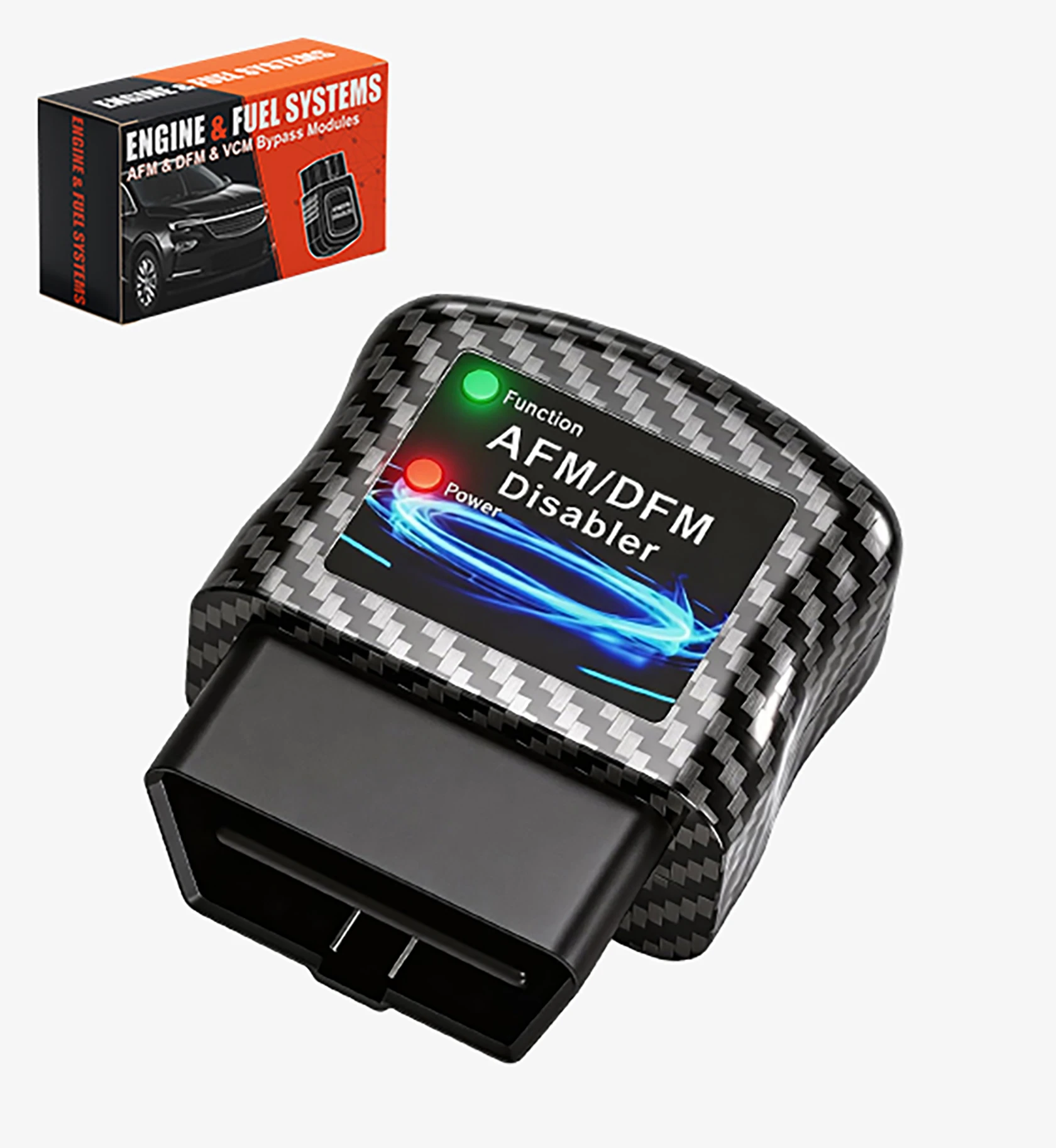 2010–2017 GMC Sierra Denali
AFM/DFM Disabler · OBD-II
$79.99
6.2L V8 · trim-specific fitment
2010–2017 GMC Sierra Denali
AFM/DFM Disabler · OBD-II
$79.99
6.2L V8 · trim-specific fitment
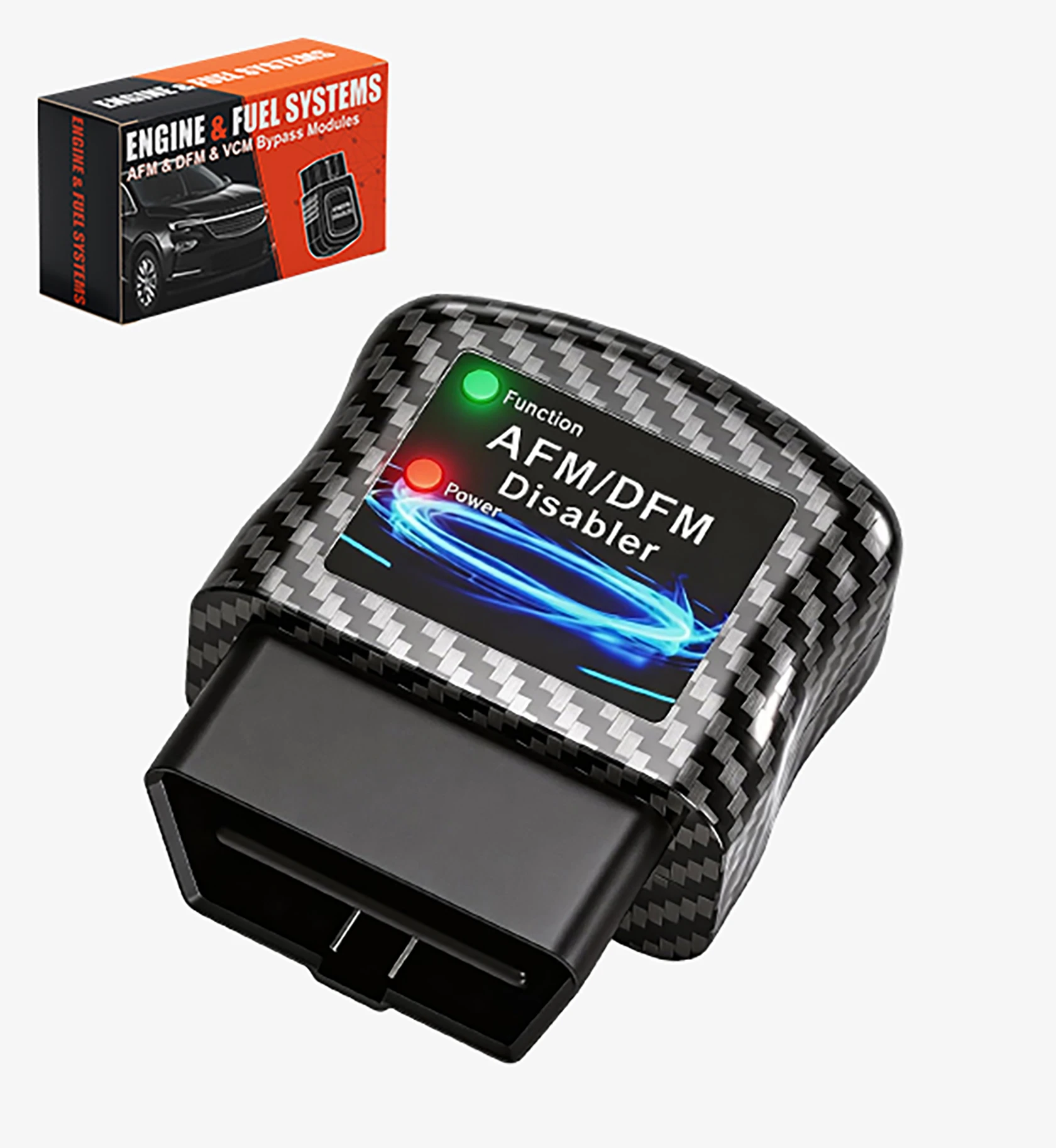 2007–2013 Chevrolet Avalanche
AFM/DFM Disabler · OBD-II
$79.99
5.3L · 6.0L (2007–09) · 6.2L (2010–13)
2007–2013 Chevrolet Avalanche
AFM/DFM Disabler · OBD-II
$79.99
5.3L · 6.0L (2007–09) · 6.2L (2010–13)
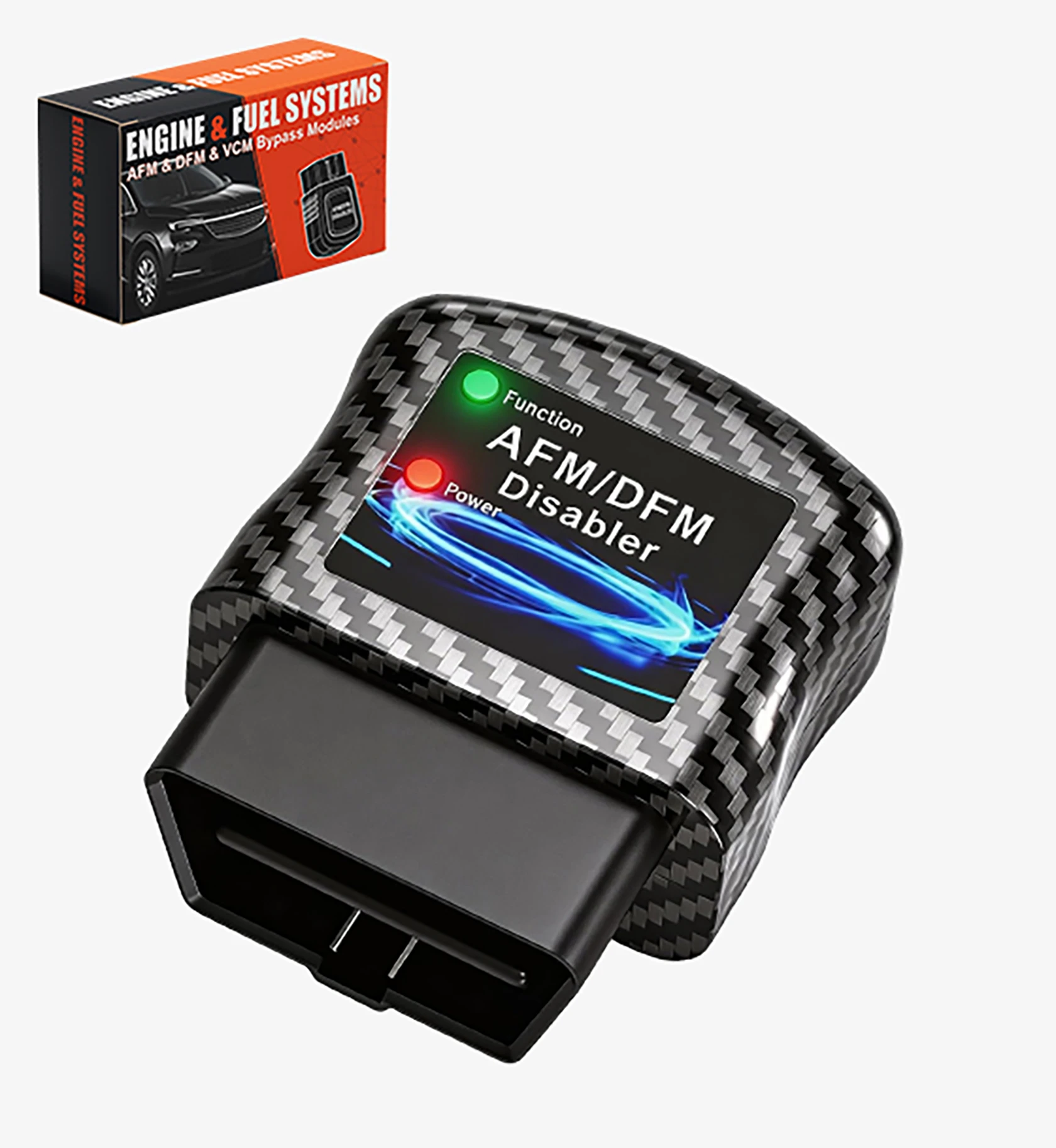 2006–2009 Chevrolet Impala
AFM/DFM Disabler · OBD-II
$79.99
5.3L V8 · 3.9L V6 (2007–08)
2006–2009 Chevrolet Impala
AFM/DFM Disabler · OBD-II
$79.99
5.3L V8 · 3.9L V6 (2007–08)
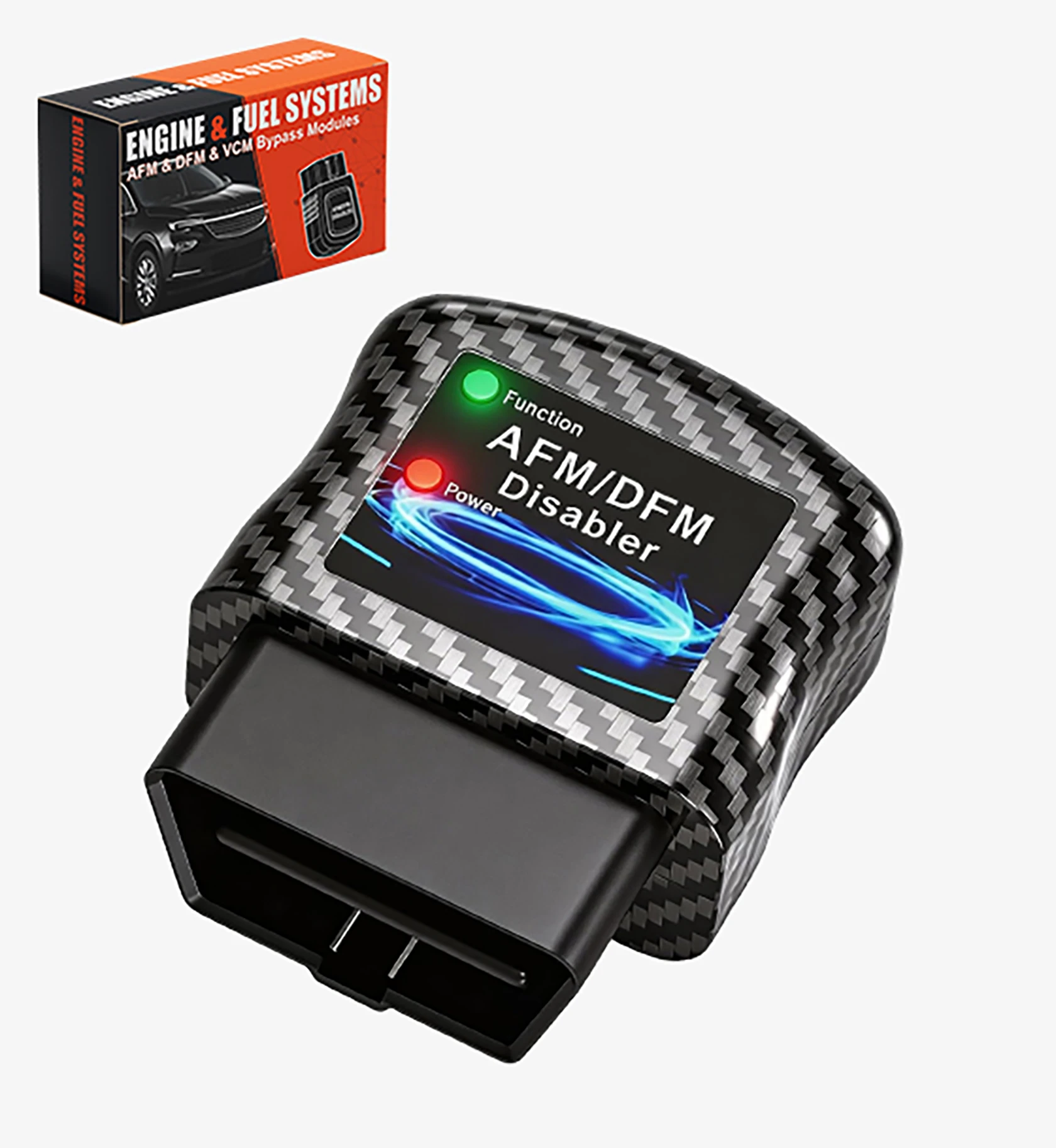 2005–2018 Buick LaCrosse / CXS
AFM/DFM Disabler · OBD-II
$79.99
3.6L V6 · 5.3L V8 · both engines in one fitment
2005–2018 Buick LaCrosse / CXS
AFM/DFM Disabler · OBD-II
$79.99
3.6L V6 · 5.3L V8 · both engines in one fitment
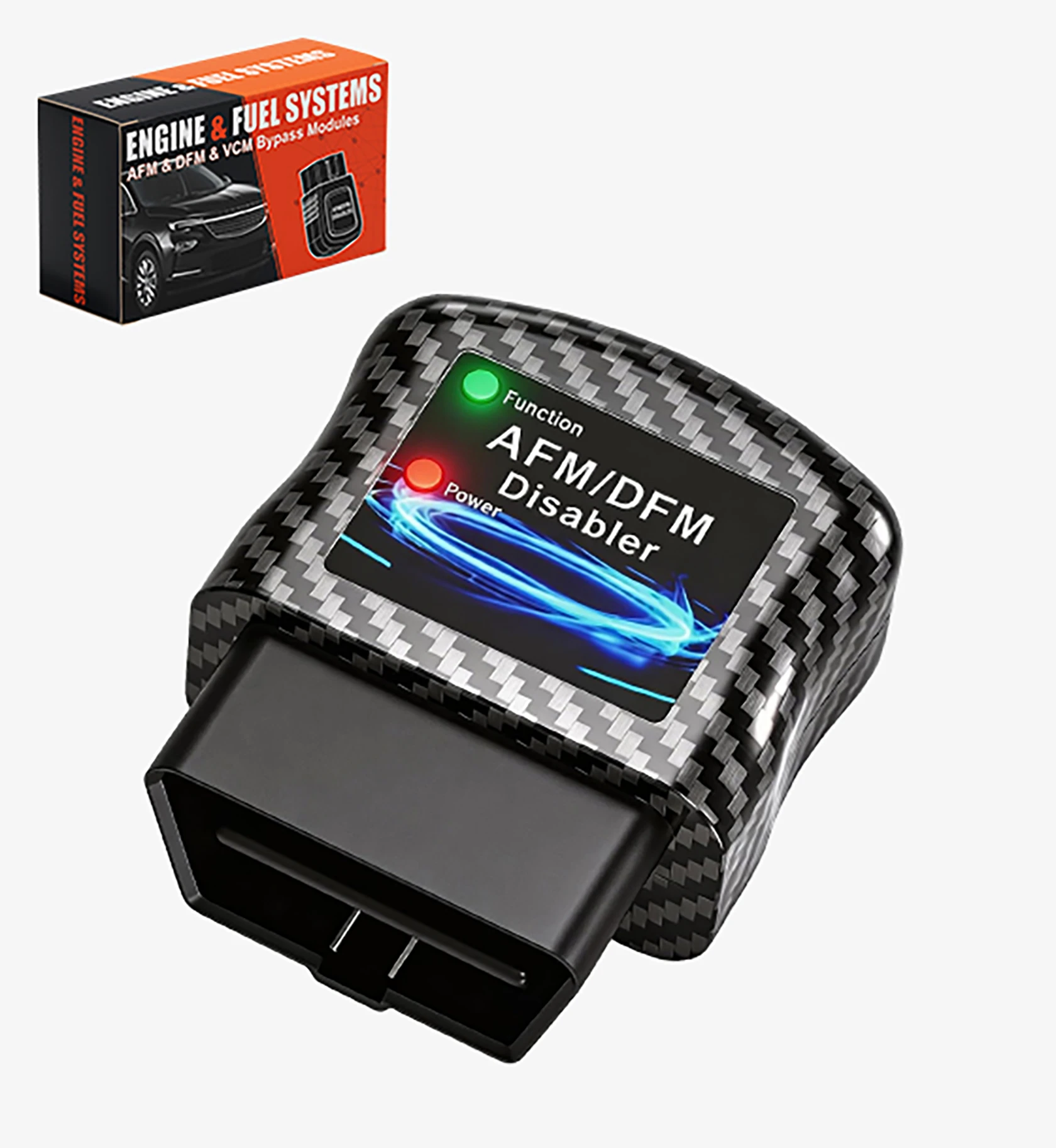 2005–2009 Chevrolet Trailblazer
AFM/DFM Disabler · OBD-II
$79.99
5.3L V8 · early AFM application
2005–2009 Chevrolet Trailblazer
AFM/DFM Disabler · OBD-II
$79.99
5.3L V8 · early AFM application
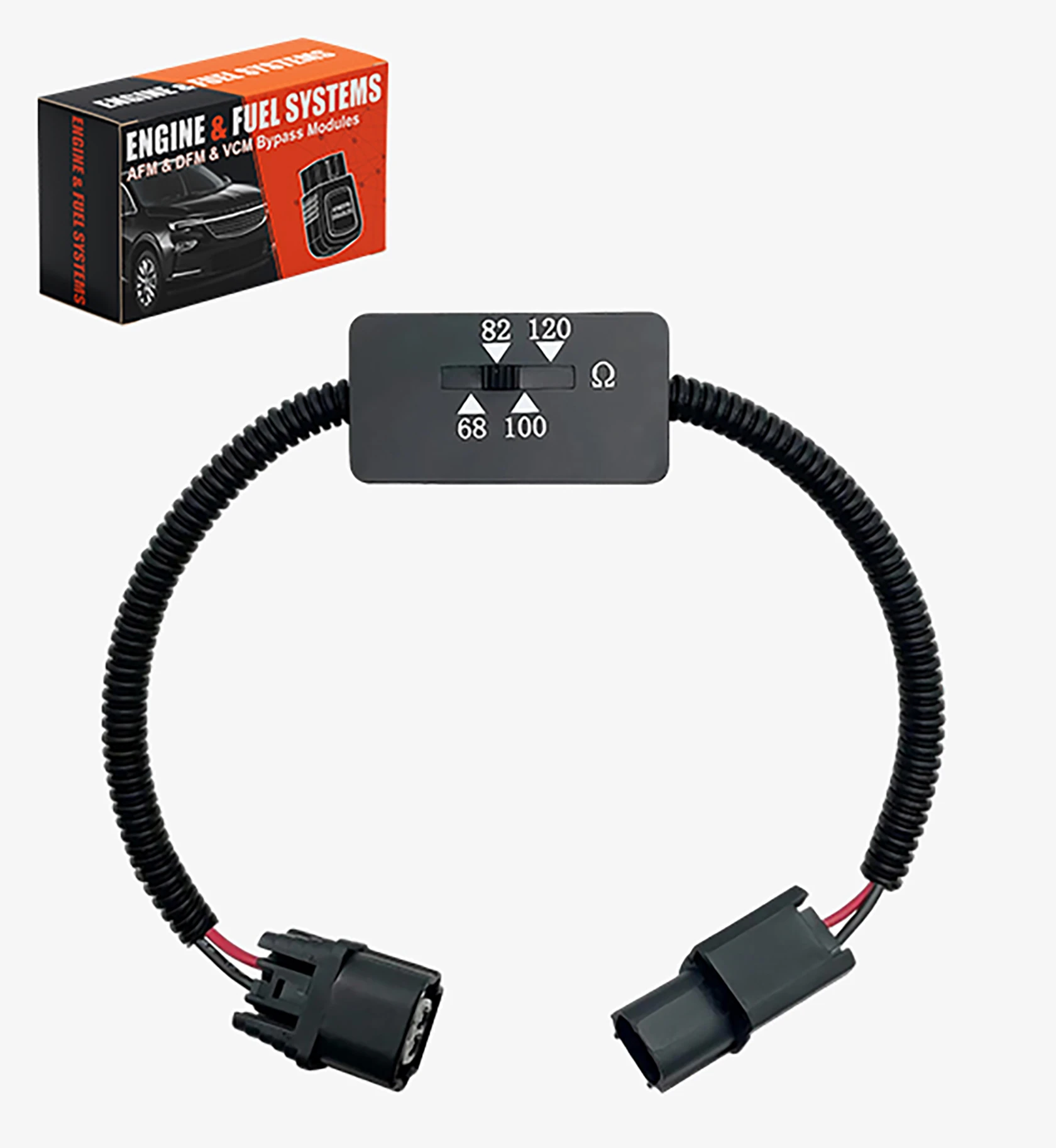 2007–2026 Honda Ridgeline
VCM Disabler Harness · ECT1
$79.99
3.5L V6 · inline harness, no OBD port
2007–2026 Honda Ridgeline
VCM Disabler Harness · ECT1
$79.99
3.5L V6 · inline harness, no OBD port
Need the full list? The complete AFM, DFM & VCM disabler catalog and the TPMS emulator catalog both print engine lines and model years for every application. Brand-by-brand detail lives in the Chevrolet, GMC and Honda guides.
05 — Trims That Break The Pattern
Long Wheelbase, Hybrid, Spare: The Versions That Sit Outside The Line
Fitment lists fail most often not on the engine but on the body variant. These are the four that catch people out, and every one of them is a real vehicle rather than a hypothetical.
ESV, EXT, XL, Denali
A standard-wheelbase Escalade and an Escalade ESV do not share a fitment line, and neither does a Yukon and a Yukon XL. Denali models are listed separately because the 6.2 in a Denali is a different order from the 5.3 in an SLE. When a card names one body style, it means that body style.
Hybrid and Type S
Hybrid versions run different electronics under a familiar body, and the Acura MDX fitment line explicitly excludes the Type S and the hybrids. If your vehicle has a hybrid badge or a Type S badge, that is a different application and a different part.
Spare, winter and specialty rims
A compact spare, a winter set or a set of alloy rims often arrives with no sensors at all, and the car then reports a fault rather than a pressure. That is a wheel question, not a fitment question — and the answer is either a module per wheel or an emulator covering the positions electronically.
Hardware that never activates
GM offered a factory calibration on selected 2021 trucks that leaves the deactivation hardware installed and switched off, and Honda's VCM was not fitted across the whole range until the 2011 redesign. Both are cases where a part exists for your model year and is still the wrong part for your vehicle.
06 — Right Part, Wrong Install
Five Fitment Mistakes No Product Page Can Fix For You
Checking compatibility gets the right part into your hand. It does not get it working. These are the five things that make a correct part behave like a wrong one, and all of them are quick to check.
| Mistake | What it looks like | What to do |
|---|---|---|
| OBD-II port you cannot reach or use | Module installed, deactivation still happening, or the light stays on. | Check the port is the diagnostic socket and not a foreign object left in it, and that the module is fully seated. A GM port is inside the dash on the driver's side, not under the glovebox. |
| Harness fitted where the circuit is not ECT1 | Honda VCM keeps engaging, or the engine runs oddly after installation. | The inline harness belongs in the coolant temperature sensor circuit named on the instructions, and the 2005–2006 applications need the male-connector modification before the plug will seat. |
| Resistance left at the wrong setting | On a Honda harness, the default 82Ω position is a starting point, not a verdict. | Give it a full warm-up and a few miles, then move the selector one step at a time. The supplied instructions set the expectation; the engine's own behaviour decides the final position. |
| Newer engine than the tested fitment | 2023 and newer Honda V6 engines respond differently to the temperature threshold the harness relies on. | Treat the newest model years as verify-before-you-rely-on-it, exactly as the fitment line says. A part that is listed with a caution is telling you something true. |
| Wrong sensor or wrong frequency fitted elsewhere | A TPMS fault light on a car that has just had wheels changed. | Sensors come in 315 MHz and 433 MHz markets, and a tire mounted from a different region is the reason some cars report a fault nobody can find. |
07 — When Nothing Matches
What To Send Us When Your Vehicle Isn't On Any List
Unlisted does not always mean unavailable. It usually means nobody has confirmed the application yet, and confirming it takes five specific facts rather than a description of the problem.
The five facts that unlock a fitment
Model year, make and model. Trim level, exactly as badged. Engine displacement. The RPO or engine code from the sticker or the block. And a photo of the Service Parts Identification label if you have one. That set answers every question a fitment list needs to ask.
A straight yes, no, or not yet
If the application exists, you get the part and the engine line it is built for. If it does not, you get told that instead of a near-miss recommendation. If it has not been confirmed yet, you get that answer too — and no order is expected from you in the meantime.
08 — Compatibility Questions
How To Check Compatibility, Answered Directly
How do I know if a part will fit my car?
Match the engine, not the year. Find your engine code on the RPO sticker in the glovebox or the Service Parts Identification label on the door jamb, read the same code on the engine block as a cross-check, then confirm the model year from the 10th character of the VIN and the trim from your badging. A fitment that names an engine can be checked against those four facts; a fitment that only lists years cannot.
Where do I find my GM engine code?
Two places. The Service Parts Identification sticker in the glovebox or on the door jamb lists the engine as a three-letter RPO code in its top block, and from the 2018 model year the certification label also carries a QR code with the VIN and the RPO codes. The second place is the block itself, stamped on a flat pad on the intake side. Honda stamps its J-series V6 code the same way.
What does an RPO code like L83 or LMG mean?
It is GM's factory option code for the engine, and the label spells out what the engine is. LMG, for example, is listed as a flexible-fuel 5.3 with cylinder deactivation, while LH9 is the related 5.3 built without it. Two codes with the same 5.3 litres behind them, two different behaviours — which is the entire reason a fitment line quotes the code instead of the displacement.
Does my truck actually have cylinder deactivation?
Check the engine code against the year: the LH9 in a Colorado or Canyon has none, the L84 and L87 from 2019 have DFM rather than AFM, and a truck built with the YK9 option has the hardware without a calibration that uses it. Then watch the dash in normal driving — four-cylinder operation on a GM truck or the three-cylinder ECO state on a Honda is the confirmation that the system is alive.
Is the 10th digit of my VIN the model year?
Yes, and it is only that. The 4th to 8th block carries the model, trim and series, the 9th is a check digit, the 11th is the assembly plant, and the last six are the serial numbers. On GM's Gen V engines the 8th character is used to identify the engine family, which is how a VIN narrows a 5.3 down to a specific 5.3 before you open the glovebox.
Why do two identical model years show different fitments?
Because manufacturers change hardware mid-platform and rarely change the body name with it. GM swapped the whole 5.3 litre engine between 2013 and 2014, and the 6.2 changed from the L94 to the L86 inside a single decade. Honda fitted cylinder management progressively across its range rather than all at once. Any fitment list that spans those years has to name the engine or it is describing two different trucks.
Can I use a disabler for the same vehicle from another brand?
No. A GM truck and a Ford of the same year share a badge-free nothing: the receiver expects its own protocol, the module speaks its own language, and the 315 MHz and 433 MHz sensor markets do not mix. What travels between brands is the method, not the part. Cross-brand "universal" claims fail in exactly the way the four identifiers above are designed to catch.
Do I need the exact trim, or will the base model work?
You need your trim. A Denali, an SLT and an SLE of the same year can carry different engines under the same body, and long-wheelbase versions like the Escalade ESV and Yukon XL are listed as separate applications. Trim is not a cosmetic detail on a fitment line — on several vehicles it decides which engine you have, and therefore which part fits.
09 — Next Checks