Chevrolet Vehicle Systems
Chevrolet Service Tire Monitor System, AFM/DFM and Auto Start-Stop: What Each Chevrolet Warning Is Telling You
A Silverado, Equinox or Camaro can show you four different warning systems in the first ten minutes of ownership, and they have almost nothing to do with each other. The tire monitor reads pressure. Active Fuel Management shuts cylinders off at cruise. Auto start-stop kills the engine at every red light. The brake and throttle messages are a fifth thing entirely. Here is how each Chevrolet system actually behaves, which model years carry which hardware, and where the fix lives — a menu reset, a relearn, or a module.
01 — Three Systems, One Bowtie
The Three Switchable Systems on a Chevrolet, and Why They Get Confused
Ask ten Chevrolet owners what's wrong with their truck and you'll hear three systems described as one problem. They are unrelated, they fail in unrelated ways, and the fix for one has no effect on the others. Sorting them apart is most of the work.
Service Tire Monitor System (TPMS)
A battery-powered sensor on each wheel broadcasts pressure and temperature. The body control module compares those readings against the cold pressures on your door placard, and warns you when a tire drops roughly a quarter below that number. It never measures a blowout, never reads tread, and on most Chevrolets has no idea what the spare in the bed is doing.
AFM and DFM (cylinder deactivation)
GM's Active Fuel Management parks four cylinders at steady, light throttle; Dynamic Fuel Management, the 2019-onward replacement, rotates through seventeen firing patterns. It saves a small amount of fuel and it never restarts a cylinder quickly enough to hide a worn lifter. A tick at idle is the system talking, not the system failing.
Auto start-stop
At a light, the truck shuts the engine down, rests, then restarts on your foot. The energy for the restart comes from a beefier alternator and a larger battery, which is why Chevrolet fits both. It is a fuel-economy feature with a comfort cost, and the eliminator harnesses for it disable the function without touching the calibration.
02 — What The Monitor Watches
What the Chevy Service Tire Monitor System Is Actually Measuring
The system is more specific than most owners assume. It compares live sensor readings against a fixed number printed on the jamb of your door, and the federal rule that governs it defines the threshold precisely. That threshold is why a tire can look properly inflated and still trigger a warning.
The service tire monitor system on a Chevy Equinox, a Silverado or a Camaro all measure the same way, and the service tire pressure monitor system on a Chevrolet is the same hardware whichever badge is on the tailgate. A chevy tire pressure sensor is a sealed module screwed onto the valve stem, and a chevy tire sensor reports for one position on one vehicle — not for a tire in general, and not for a spare in most cases.
| Placard cold pressure | Low-pressure alert at or below | What that means on the road |
|---|---|---|
| 34 psi or lower | About 25% under the placard number | A Silverado placard of 33 psi warns somewhere near 25 psi. A Spark placard of 30 psi warns near 22–23 psi. The math is the rule, not the round number you remember. |
| Above 34 psi | 20 psi | Heavier trucks and tow packages placard higher, so the federal rule switches to a flat 20 psi floor instead of a percentage. |
| Any placard value | Warning within 20 minutes of driving slower than 20 mph | The rule is deliberately slow so that a sensor waking up at a gas station doesn't nag you. Driving off the lot and never seeing the message is normal on some trucks. |
Three things it does not do: it doesn't judge whether the tire is safe, only whether it's low against a stored number; it doesn't know you hit a pothole until the pressure has already fallen; and on dual-rear-wheel trucks like the Silverado 2500 and 3500, the system watches the four road wheels while the spare sits in the bed uncovered. The general rules behind sensor behavior, sensor types and the laws that require them are in our TPMS guide. What changes on a Chevrolet is the sensor list, the message wording and the engine table below.
03 — Reading The Light
Four Chevrolet Tire Pressure Messages, and the First Move for Each
The driver information center on a Chevrolet does not use one tire message. It uses several, and they mean different things. A steady light is a pressure story. A flashing light is an electrical story. The one to ignore is the one that lights up for a second and disappears.
| What the dash says | What it actually means | First move |
|---|---|---|
| Tire Pressure, steady, with the tire icon lit | At least one sensor read below the alert threshold for long enough to trigger. | Check all four or five with a gauge, cold, before anything else. Add air at the placard number, not at the highest number on the tire. |
| Service TPM or Service tire monitor | The system is alive but has lost contact with a sensor, or the sensors have not been paired to this body control module. | Read codes before replacing parts. A learned-module or unreached-sensor code changes the answer completely. |
| Tire icon flashing with no pressure number | A system fault rather than a pressure fault. Frequently a dead coin cell, a corroded valve core, or interference. | Codes first, then the wheel-by-wheel tire pressure menu. Intermittent faults move when you inflate one tire at a time. |
| A brief flash at ignition, then clear | Normal. The system announces itself while it wakes the sensors and reads them. | Nothing. This one is the system working. |
04 — Direct Or Indirect Gauging
Direct or Indirect TPMS on a Chevrolet: How to Tell Which One You Have
Chevrolet used two completely different tire monitoring approaches, and the older one cannot tell you which tire is low. Knowing which you own explains a lot of confusing behavior — including why some trucks have a tire screen and others have nothing but a warning light.
ABS-Speed Comparison
Earlier systems watched the four wheel speed sensors, noticed one wheel rotating slightly slower than its partner, and inferred low pressure. No per-tire sensor exists, there is no live pressure number, and the warning can appear on a tire that is fine while the low one drives on. Chevrolet used this approach on earlier trucks and cars, and some of the earliest direct systems.
Per-Wheel Sensors
A sensor on each valve stem sends pressure, temperature and a unique identifier. The identifier is paired to a wheel position inside the body control module, which is what lets the dash name a corner. Direct sensors arrived across the Chevrolet line from the 2007–2008 model years onward, and the coverage is not perfectly uniform across nameplates or trims.
05 — Inside The Sensor
What Fails Inside a GM Tire Pressure Sensor, and How It Drags on the System
The sensor itself is a small sealed module with a 3-volt coin cell, a pressure port and an antenna. Every one of those parts fails in a predictable pattern, and because the module has to be paired to the truck on the way in, replacing one is only half of the job.
| Failure | How it presents | Typical cost on a Chevrolet |
|---|---|---|
| Battery reaches end of life | Usually one corner, usually a tire that has been replaced more recently than the others. The system reports a service message and the light flashes rather than showing a pressure. | Sensor $60–$130 fitted, plus pairing. On wheels that have been road salt all winter, expect the older corners to follow within a year. |
| Valve core corrosion | Slow pressure loss with no visible puncture, and an intermittent fault that appears in cold weather and vanishes when the tire warms up. | The tire, the tube or wheel repair first; the sensor is often fine and gets replaced anyway because it is the easiest thing to blame. |
| Seal or stem damage | Fast leak, low pressure within days of a tire change, and a matching fault at that position. | Cheap to fix, tedious to diagnose if you assumed a puncture was impossible. |
| Radio interference | The fault appears with aftermarket wheels, a lift, roof-mounted accessories or a trailer, and clears when you drive without them. | No parts needed. Move the antenna, the wheel or the accessory and the message goes away. |
| Unpaired replacement sensor | A brand-new sensor, a straight tire, and a service tire monitor message that no amount of air will fix. | Programming only. A keyless or dealer relearn pairs the new module in minutes; skipping it is the single most common reason a good sensor "doesn't work." |
06 — Replace Or Emulate
One Dead Sensor or Four: Choosing Between a Replacement and an Emulator on a Chevy
A single failed sensor is a straightforward repair. The arithmetic changes when sensors are original equipment and already a decade old, when tires go to a shop rather than into a driveway, or when the vehicle is a car that spends its life outside. That is the case an emulator is built for.
One Sensor, One Program
Correct for a car with four or five sensors of mixed age, a single corner failure, or a truck that stays inside. Buy the sensor for the position, mount it, and pair it. It is the cheapest honest answer when only one corner is dead.
Stop Replacing a Set of Batteries
Every direct TPMS sensor is a sealed battery that cannot be replaced, only renewed by replacing the whole module. A vehicle with original sensors on all four corners has four batteries on the same retirement schedule, and they will start failing in sequence. An emulator takes a position's place permanently: it reports position and pressure, draws from the vehicle's own supply, and never ages out.
Two things an emulator is not. It still has to be paired to the body control module exactly like a real sensor — a module that has never been learned to that wheel position will report a fault whatever is bolted to it. And it is not a bypass switch: the monitoring system stays switched on, the lights stay live, and a genuine low tire still gets a warning. What you stop paying for is a set of four battery-powered valves on a 2010 car in 2026. The TPMS sensor emulator catalog lists the Chevrolet coverage and the year ranges.
07 — Model-By-Model
Chevrolet TPMS Emulator Coverage, Model by Model
Fitment on Chevrolet is unusually model-specific, because the same nameplate changed monitoring systems mid-production. Use this table to find your vehicle, then confirm the year range on the product page before you order. Where a model is listed twice, read the two ranges as two different platforms rather than a typo.
| Chevrolet model | Years covered | What the emulator does there |
|---|---|---|
| Silverado 1500 | 2007–2016 | Replaces the bed-mount spare position and the road-wheel sensors on early direct-fitment trucks; confirm which position your truck expects. |
| Silverado 2500 / 2500 HD / HD Classic | 2007–2016 | Covers the four monitored road wheels on the dual-rear-wheel truck, where a spare position does not exist. |
| Silverado 3500 / 3500 HD / 3500 Classic | 2007–2016 | Same dual-rear-wheel layout as the 2500, listed separately because the listing and the harness fitment differ by model. |
| Tahoe (and Uplander 2008–2009) | 2008–2016 | Five-position system on the Tahoe; the Uplander shares the rear positions. |
| Suburban 1500 | 2008–2014 | Five monitored positions including the spare. |
| Suburban 2500 / Suburban 3500 HD | 2008–2013 / 2016 | Dual-rear-wheel configurations, split by production year. |
| Equinox | 2008–2012 | The most common Chevrolet TPMS question by a distance, and the reason the chevy equinox tire pressure monitoring system gets its own emulator year range. |
| Express 1500 / 2500 | 2008–2011 | Commercial van monitoring, where a single low tire can take a vehicle out of service. |
| Camaro | 2010–2016 | Five positions including the spare in the trunk area. |
| Corvette | 2008–2017 | Center-fill wheels and run-flats make this a common fitment; confirm the wheel package before ordering. |
| Malibu (and Malibu Limited 2016) | 2008–2010 / 2013–2016 | Two distinct generations, listed together because the position layout is the same. |
| Impala | 2008–2011 / 2014–2016 | Two generations; the 2012–2013 gap is a real gap, not an omission. |
| Cruze / Cruze Limited | 2011–2016 | Four monitored positions, no spare monitoring on most trims. |
| Colorado | 2015–2016 | Distinct from the 2017-and-newer truck, which moved to a different platform and sensor arrangement. |
| Cobalt | 2008–2010 | An aging car whose original sensors are at the far end of their service life. |
| Sonic and Spark | 2012–2016 / 2011–2016 | Cheap cars with expensive original sensors — the clearest case for emulation. |
| Orlando | 2012 | Listed alone; the model shares hardware with the Silverado 1500 entry above. |
08 — Cylinder Deactivation
AFM and DFM in Chevrolet Trucks and Cars: Which Engines Carry It
Chevrolet fitted cylinder deactivation in stages, and Chevy cylinder deactivation arrived with the 2007 trucks on the 5.3L and 6.0L V8s. "Does my Chevy have AFM" has a short answer once you know the engine, and a useless answer if you only know the year.
| Engine | Typical Chevrolet years | System | Where you'll meet it |
|---|---|---|---|
| 5.3L V8 (L83 and successors) | 2007–2018 | AFM | Silverado, Sierra, Suburban, Tahoe, Yukon. The fixed four-cylinder pattern that starts the lifter discussion. |
| 6.0L V8 | 2007–2014 | AFM | Silverado, Suburban, Tahoe, Avalanche, Caprice PPV. |
| 6.2L V8 (L99 and successors) | 2010–2015 and later V8s | AFM, then DFM | Camaro, Corvette, and the Escalade-derived trucks in the 2016–2018 window. |
| 5.3L / 6.2L in 2019-and-newer trucks | 2019 onward | DFM | Silverado and Sierra. The system people ask about when a disabler for "AFM" doesn't seem to fit. |
| 4.3L V6 | 2014–2018 | Deactivation, V6 pattern | Silverado, Colorado, Suburban, Tahoe. A V6 never becomes a V4 — it rests two cylinders. |
| 3.6L V6 | 2008–2015 | Deactivation on most applications | Malibu, Camaro, Equinox, Traverse. Earlier and later 3.6L builds vary, so confirm the engine rather than the badge. |
| 2.4L Ecotec | Most four-cylinder applications | None | If your Chevrolet has a four-cylinder, the disabler conversation does not apply. The fuel economy gains were never enough to justify the hardware. |
So, what is DFM on a Chevy? It is the same idea as AFM with seventeen firing patterns instead of one, and it replaced AFM on the 2019 Silverado and Sierra. The afm disabler a Silverado owner wants is the plug-in unit that talks to the module over OBD-II, and the years that matter are the ones in the table above rather than the model year on the door jamb. How each system works, and why oil pressure decides whether the lifters survive, is set out in our cylinder deactivation guide.
09 — Delete, Disable Or Leave It
A Chevy DOD Delete, an AFM Disabler, or Nothing at All
The same engine can be handled three ways, and people use the three words interchangeably, which is where most of the confusion starts. DOD is GM's original name for the system; a delete is surgery; a disabler is a plug-in. Pick the row, not the vocabulary.
Plug In, Unplug To Undo
On GM the unit communicates through the OBD-II port and tells the module to leave the cylinders alone. Nothing is reflashed, nothing is removed, and the truck drives normally with every cylinder firing. Unplug it and the original calibration returns exactly as it was. Right for a truck that stays on the road and comes with you when you sell it.
Out With the Hardware
The deactivation lifters, the phaser and the cam come out; standard lifters, a cam and a plugged oil manifold go in. It's permanent, it's invasive, and it usually needs a matching tune. Sensible when the engine is already open for a lifter or cam repair, or when the truck is being modified rather than maintained.
Reflash The Calibration
A tuner can change what the engine is permitted to do, and on 2019-and-newer trucks the free shift-lever trick — holding a lower gear through a shift — keeps deactivation out without any purchase at all. It changes the calibration, it's not reversible by unplugging anything, and it's the answer to "how do I do this for free."
10 — Stop-Engine Habit
Auto Start-Stop on Chevrolet: What It Does to the Truck, and How Owners Switch It Off
Auto start-stop is the other system that shuts the engine down, and it has nothing to do with cylinder deactivation — which is why the two get tangled together in conversation. One restarts the whole engine at a red light. The other turns cylinders off while you're driving.
The same GM trucks can carry deactivation and start-stop in the same package, and a start-stop eliminator has no effect on which cylinders run under cruise. If both are annoying, they are two separate purchases with two separate fitment lists. The mechanism, the battery chemistry and the fuel-economy math are in the auto start-stop guide; the start-stop harness catalog lists the Chevrolet model years.
11 — The Resets
Brake, Throttle and Recall Resets: The Chevrolet Menus Worth Knowing
Several common Chevrolet problems are not faults at all — they're service events that clear themselves, or a known software condition that a dealer reflash resolves. Here is the honest split, including the one case where no menu will touch it.
| Message or task | What it really is | How it clears |
|---|---|---|
| Brake pad life on a 2020–2021 Silverado | A service interval percentage, not a warning. The truck counts usage and reminds you to have the pads measured. | After the pads are replaced, the message clears from the driver information center, often with no scanner at all. Reset it to a bare-metal estimate if the new pads weren't actually changed. |
| Service parking brake on a Traverse | The electronic parking brake reporting a switch or actuator condition. | Cycle the ignition and operate the brake a few times. If the message returns with a stored code, the switch is the investigation, not the reset. |
| Throttle body relearn on a Chevy | The idle and throttle adaptation relearning after a throttle body, throttle position sensor or intake service. | Key on, engine off, accelerator pedal held for a count, release, then a set idle cycle and a short drive. It is a procedure, not a part. |
| Power running boards / park assist | Folded or obstructed, or a sensor that has lost its view. | Clear the obstruction, then drive a full cycle so the module sees the boards extend and retract. |
| Brake system failure or service brake system on some 2020–2021 trucks | A known software condition, not a failed brake system. The message appears with nothing wrong behind it. | No menu clears this. The fix is a dealer reflash of the parking brake control module — the module is not the fault, the calibration is. |
12 — Dash Codes
Chevrolet Tire, Brake and VVT Codes, in Plain Language
A code tells you which conversation to have, not which part to buy. These are the Chevrolet codes that come up most on tire, brake and valve-timing problems, what each one actually points at, and the first thing worth checking.
| Code | What it's pointing at | First thing to check |
|---|---|---|
| C0871 / C0872 / C0873 / C0874 | Front left, front right, rear left and rear right tire pressure sensor circuit, in that order. | The sensor at the named corner, then its valve and wiring. Read tire pressures one at a time — an intermittent corner gives itself away. |
| U0100 / U1064 | A U0100 code on a Chevy means the module that runs the tire system has dropped off the data bus, and a U1064 code on a Chevy is its cousin on the body network. | Battery state and the modules on that bus. A tire message plus this code is a module conversation, not a sensor conversation. |
| C0800 family | A C0800 code on a Chevy is a control module or the bus it reports on, from the chassis-side modules. | Read the full definition for your year and look at what else is stored alongside it. This family is a starting point, not a verdict. |
| C0265 / C0266 / C0267 | Camshaft position actuator circuit — a C0267 code on a Chevy is one of those valve-timing circuits. | Oil pressure first, then the phaser and the solenoid. Low or contaminated oil on a deactivating engine is the root cause more often than the actuator is. |
| P2635 | A P2635 code on a Chevy points at injector circuit performance on V6 applications, frequently alongside a rough idle. | Injector connectors, wiring and the injector itself. Not a tire, a brake or a start-stop problem, whatever the message that brought you in said. |
| P0420 | Catalyst system efficiency below threshold — and the single most-looked-up Chevrolet code there is. | Not a Chevrolet quirk but an exhaust, oxygen sensor and fuel delivery investigation, written up in full in the troubleshooting center. |
Two habits make codes work for you instead of against you. Read them before you clear them, and write them down — a code that returns after a clear tells you a different story from one that never comes back. And resist buying the part named in the code before you've read what the code means on the vehicle you actually own; definitions shift between model years and between the truck and the car.
13 — Verifying Fitment
Why Year, Trim and Engine Decide What Fits Your Chevrolet
Chevrolet reuses nameplates across platforms, engines and monitoring systems with more enthusiasm than most brands. "Chevy Equinox" can be a 2008 or a 2024 car, and the tire system, the cylinder deactivation and the start-stop hardware are all different questions in each. Here is how to narrow it down in ten minutes.
14 — Where To Start
Which Chevrolet Problem You Actually Have, in One Table
Four symptoms cover most Chevrolet traffic, and each has a different first step. Start here before choosing a part, because two of the four are solved without buying anything at all.
| What you're seeing | Most likely cause | First step | Where the answer lives |
|---|---|---|---|
| Steady tire pressure light, no codes | A genuinely low tire, and occasionally a sensor that has drifted. | Air all four to placard cold, then recheck after a drive. | No purchase required — check every tire cold first. |
| Service tire monitor or flashing light, codes stored | Failed or unpaired sensor. | Read the code, check that corner's pressure one at a time, then pair or replace. | TPMS emulators where the remaining sensors are original equipment. |
| Tick at idle that fades above 1500 rpm | Cylinder deactivation lifter wear on an AFM or DFM engine. | Confirm the engine carries deactivation, then decide between disabler, delete and tune. | AFM/DFM disablers, with the trade-offs compared in detail. |
| Engine cuts out at every red light | Auto start-stop working exactly as designed. | Decide whether you want it gone. | Start-stop harnesses for the Chevrolet year ranges listed. |
| Service brake system message, no fault found | Known software condition on some 2020–2021 trucks. | Don't replace the parking brake module. Ask for a calibration reflash. | Dealer reflash. No part is involved, because no part is faulty. |
15 — Matched Chevrolet Modules
Chevrolet TPMS Emulators, Cylinder Deactivation Disablers and Start-Stop Harnesses
Six Chevrolet-specific units, each listed to a year range and an engine. Find your vehicle below, then confirm the fitment line on the product page before ordering — the model name alone is rarely enough on a Chevrolet.
 2008–2012 Chevrolet Equinox
TPMS Sensor Emulator
$119.99
Direct-sensor platform · paired like a factory sensor
2008–2012 Chevrolet Equinox
TPMS Sensor Emulator
$119.99
Direct-sensor platform · paired like a factory sensor
 2007–2016 Chevrolet Silverado 3500
TPMS Sensor Emulator
$119.99
3500 HD and 3500 Classic · dual rear wheel
2007–2016 Chevrolet Silverado 3500
TPMS Sensor Emulator
$119.99
3500 HD and 3500 Classic · dual rear wheel
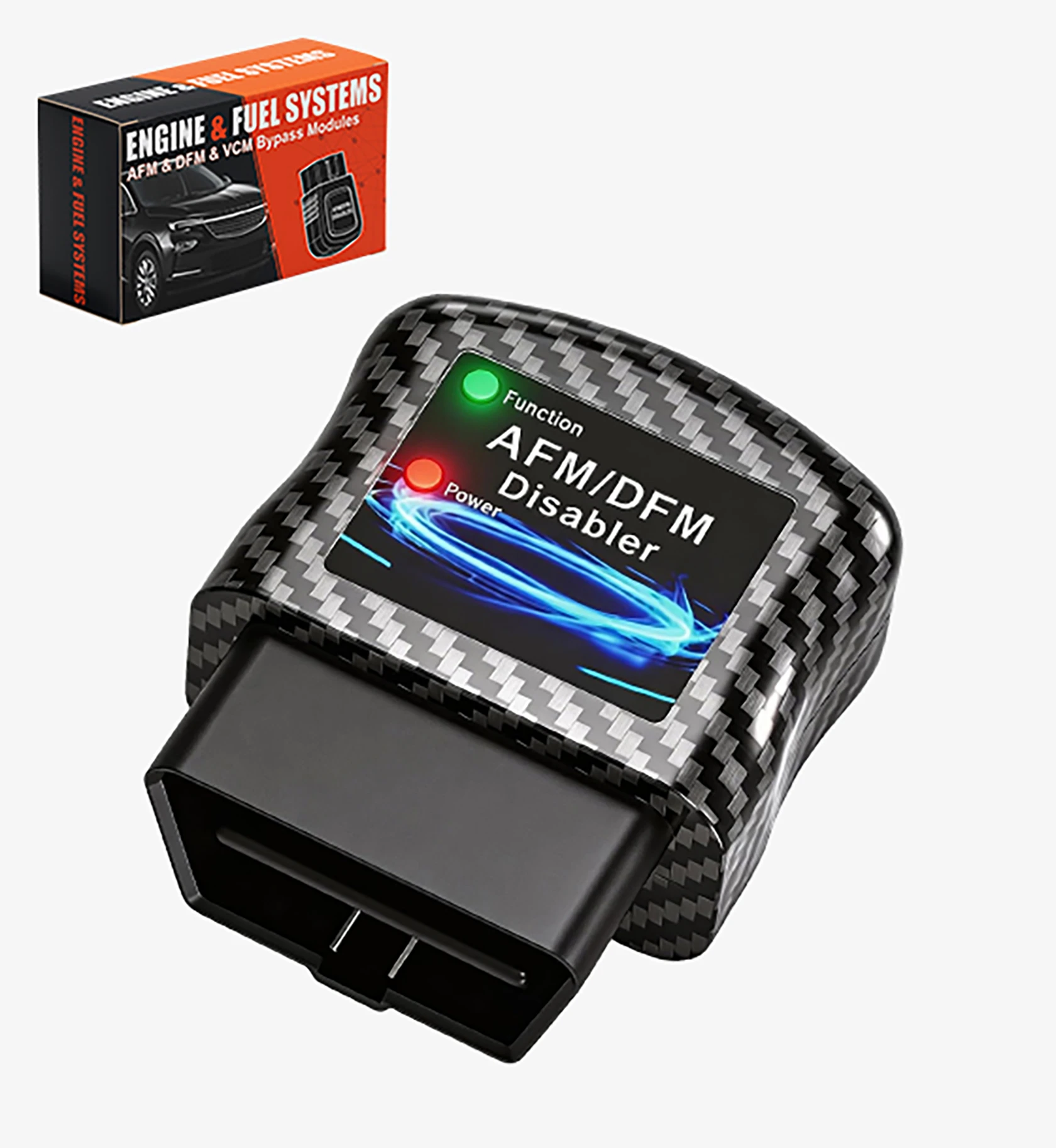 2006–2012 Chevrolet Malibu
AFM/DFM Disabler · OBD-II
$79.99
3.6L V6 · Malibu and Malibu Maxx 3.9L
2006–2012 Chevrolet Malibu
AFM/DFM Disabler · OBD-II
$79.99
3.6L V6 · Malibu and Malibu Maxx 3.9L
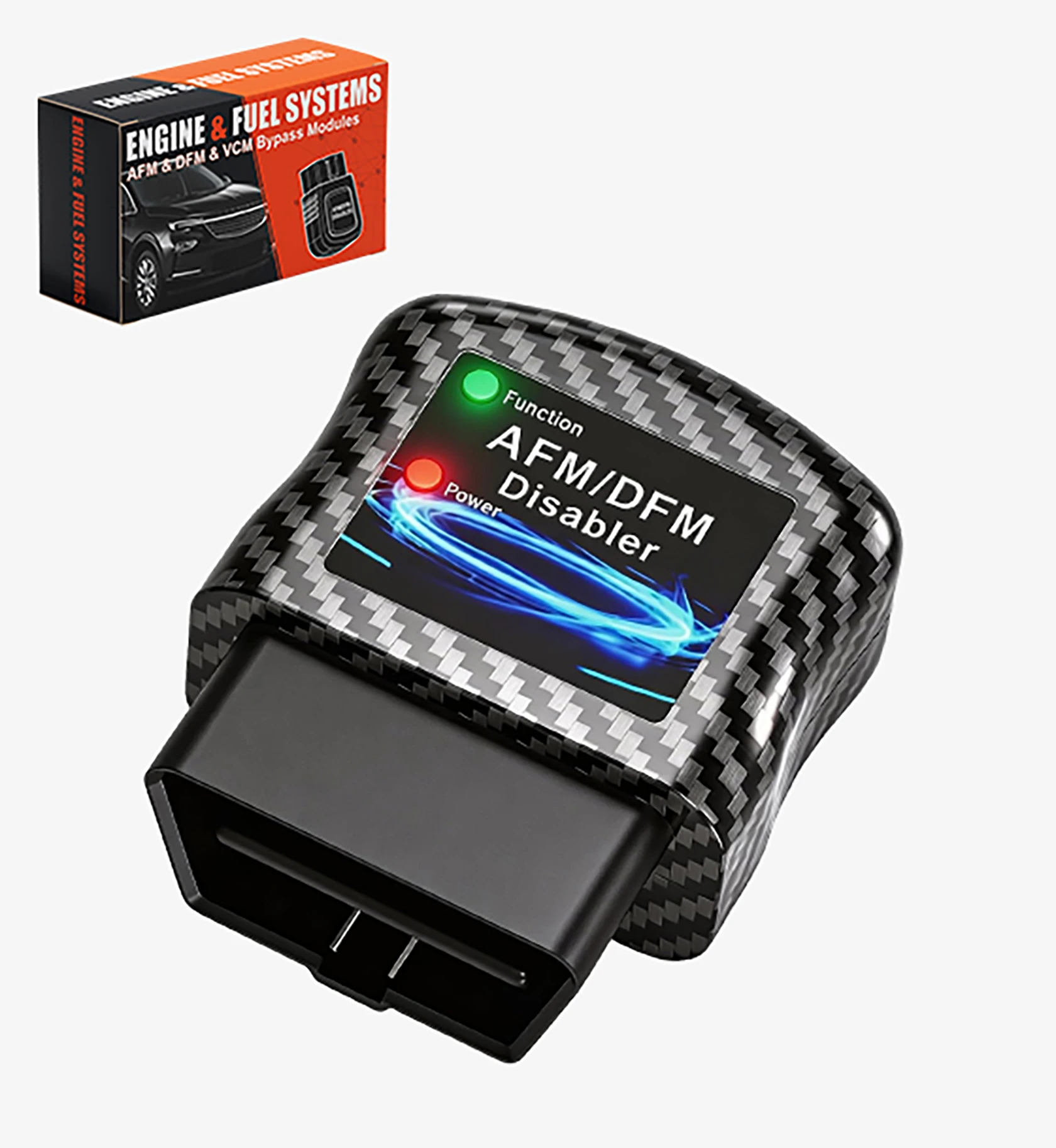 2015–2019 Chevrolet Colorado
AFM/DFM Disabler · OBD-II
$79.99
3.6L V6 · canyon and midsize truck platform
2015–2019 Chevrolet Colorado
AFM/DFM Disabler · OBD-II
$79.99
3.6L V6 · canyon and midsize truck platform
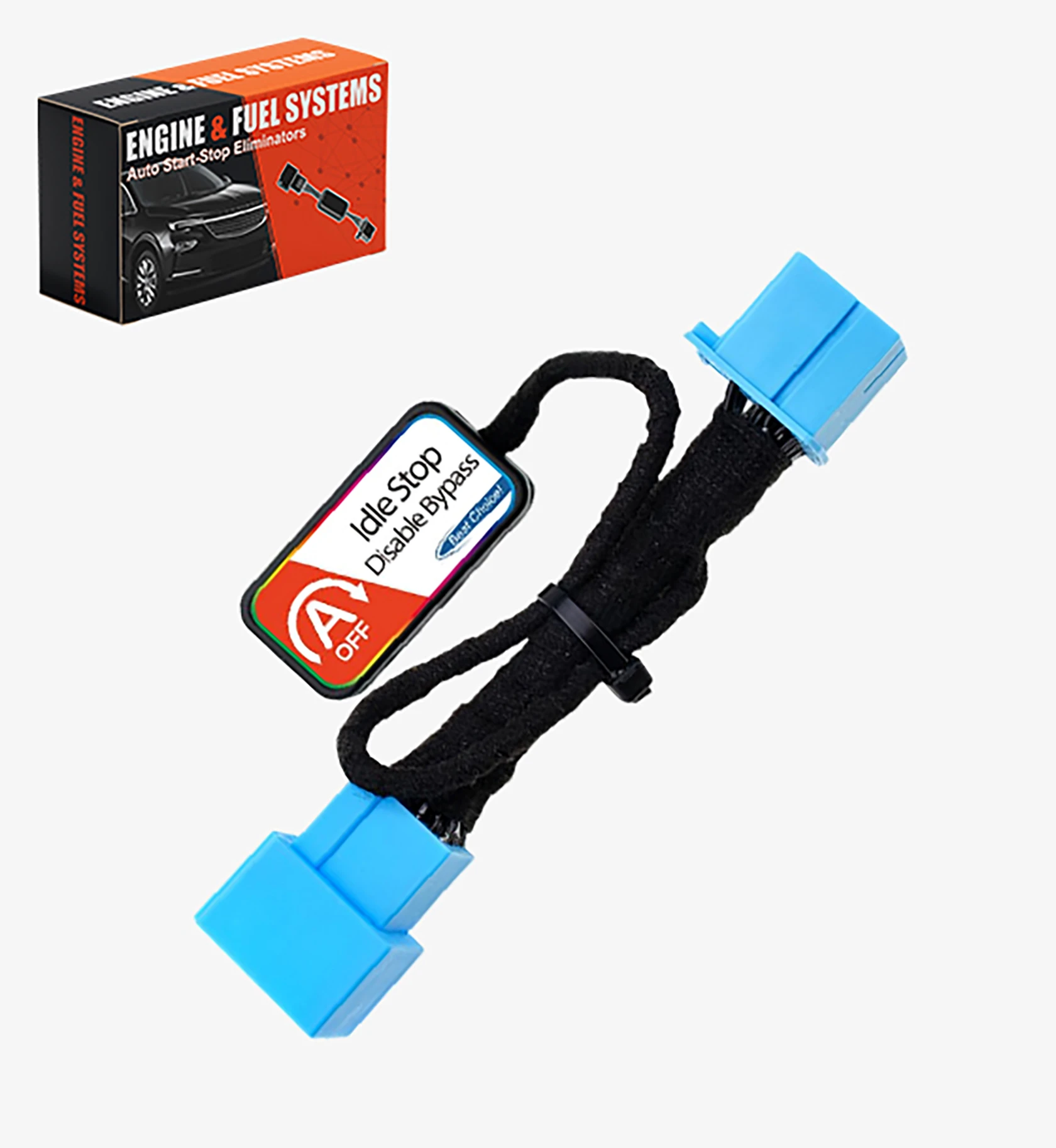 2021–2026 Chevrolet Tahoe
Auto Start-Stop Eliminator
$79.99
Plug & play · full-size platform
2021–2026 Chevrolet Tahoe
Auto Start-Stop Eliminator
$79.99
Plug & play · full-size platform
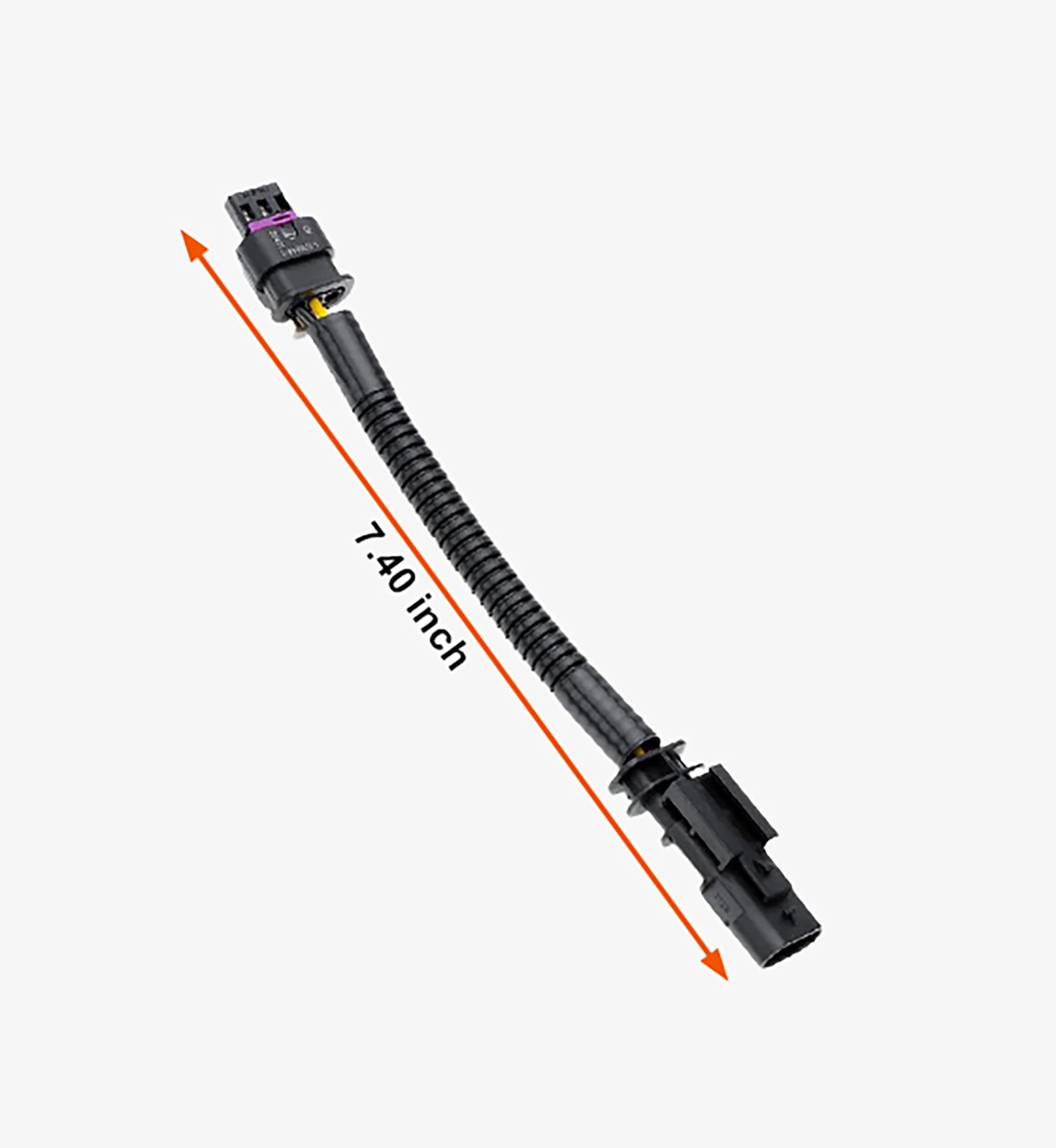 2019–2024 Chevrolet Equinox
Auto Start-Stop Eliminator
$78.98
Plug & play · compact SUV platform
2019–2024 Chevrolet Equinox
Auto Start-Stop Eliminator
$78.98
Plug & play · compact SUV platform
Looking for something else on a bowtie? The full TPMS emulator catalog covers sixteen Chevrolet applications, the AFM/DFM catalog covers fifteen, and the start-stop catalog covers Chevrolet from the Silverado to the Spark. If your model isn't listed anywhere, check the compatibility guide before assuming it doesn't exist.
16 — Questions Chevy Owners Send
Chevrolet Tire Monitor, Cylinder Deactivation and Start-Stop: Straight Answers
How do I reset the brake pad life on a 2020 Silverado?
How to reset brake pad life on a 2020 Silverado takes about thirty seconds and no tools. With the ignition on and the engine off, press and hold the trip meter reset button until the message clears — a hold, not a tap. That is the whole procedure for the brake pad life reminder, and it needs no scanner. If you actually changed the pads, note that the service interval counter is separate from the light, so a message that returns early means the interval wasn't reset, not that the procedure failed.
Can I do a Chevy throttle position sensor reset without a scanner?
Yes. With the ignition on and the engine off, take up firm limited travel on the accelerator and hold it so the closed-throttle position is learned, release, start the engine and let the idle settle untouched, then drive through a range of throttle conditions. A Chevy throttle position sensor reset by hand works because the idle relearn is a procedure rather than a calibration write. Skipping the drive is the usual reason it appears not to have worked.
Why does my Chevrolet tire pressure light come on when the tires look fine?
Three usual answers. The system compares against the cold pressures on the door placard, and hot tires read high — a tire can look correct in a parking lot and be low by the system's standard. The alert threshold is also lower than most owners expect, roughly a quarter under placard or 20 psi, whichever applies. And on a direct system, a single corner that has drifted or stopped answering reports as a pressure fault until the fault code is read.
What does "Service TPM" mean on a Silverado?
The tire pressure monitor is reporting a fault rather than low pressure — a sensor it can't hear from, or a module that has lost contact with one. Read the codes before replacing anything. A stored circuit code naming a corner points at that sensor or its wiring; a communication code such as U0100 points at the data bus and the module, which is a different job entirely.
Do I need all four TPMS sensors replaced on a Chevy?
No, if one corner has failed and the rest are newer. Yes, economically, when the vehicle left the factory with four sealed battery sensors and all four are now past a decade. Each sensor is a sealed module with a coin cell that cannot be replaced, and they fail in sequence rather than together. Emulators exist for exactly that situation, and they still have to be paired to the body control module like any other sensor.
Can I turn off AFM on a Chevrolet with a scan tool?
Not with a code reader. A scanner reads and clears codes. Keeping the engine from parking cylinders means either a plug-in disabler that talks to the module through the OBD-II port, or a tuner who reflashes the calibration. On 2019-and-newer trucks with the 10-speed, holding a lower gear through the shift keeps deactivation out on stock hardware — that one genuinely is free.
What's the difference between a DOD delete and an AFM disabler on a Chevy?
DOD is GM's original name for the system, so a DOD delete and an AFM delete are the same job: the deactivation lifters, cam and phaser come out, standard parts go in, and the valley oil manifold is plugged or replaced, usually with a matching tune. A disabler is a plug-in that leaves the engine assembled and can be removed in a minute. The delete is permanent and usually done alongside other engine work.
Will a start-stop eliminator hurt my Chevy battery?
The opposite. The larger battery and higher-output alternator exist to serve the restarts, and they're specified for the duty. Once the engine stops shutting down at lights, the vehicle is doing less of the thing those components were upgraded for. The harness doesn't touch the electrical system — it prevents the function from engaging in the first place, and unplugging it returns the truck to factory behavior.
Can I clear the service brake system message on a 2020 Silverado myself?
Not that one. The brake system failure and service brake system messages on some 2020–2021 trucks are a known software condition that appears with nothing wrong behind it, and no menu, no code clear and no battery disconnect resolves it. It's a dealer reflash of the parking brake control module. Replacing the module is the expensive wrong answer, because the module is working exactly as it was programmed.
Does the spare tire on my Chevrolet get monitored?
On some year ranges, yes, and on most dual-rear-wheel trucks like the Silverado 2500 and 3500, no — those have no spare position to monitor because the spare sits in the bed. The owner manual in the door jamb usually states the answer for your model, and it's faster than inferring it from the model year.
Does Chevrolet use DFM or AFM on a 2019-and-newer Silverado?
DFM. GM replaced Active Fuel Management with Dynamic Fuel Management on the 2019 Silverado and Sierra, and the new system rotates through seventeen firing patterns so wear doesn't concentrate on one set of cylinders. It still rests cylinders at cruise, and it still runs on the same collapsing-lifter principle, so the oil and lifter conversation hasn't changed — only the pattern has.
Why does my Equinox have a tire pressure light but no tire pressure screen?
Different monitoring platforms within the same nameplate. Earlier Equinoxes run a direct sensor system where the dash gives you a warning light, while later ones show live per-wheel pressures. If there's no screen and no learn prompt in the settings, an emulator that depends on position pairing may not be the right route for your year — confirm the platform before ordering, and the emulator listings separate the year ranges for that reason.
17 — Keep Reading