Toyota Vehicle Systems
Toyota TPMS Sensors, the Maintenance Light, and Auto Start-Stop: What Each Toyota Warning Is Actually Reporting
More tire pressure questions get asked about Toyotas than about almost any other badge, and most of them land on the wrong assumption — that a flashing light means a flat tire. On a Toyota it usually means a sensor the vehicle can't hear from. The maintenance light is a second story entirely, and the driver-assist messages on recent Camry, Corolla and RAV4 come from a camera behind the glass. Only one of the three is something we can help with.
01 — Three Kinds Of Warning
Why a Toyota Tire Message, a Maintenance Message and a Safety Message Get Confused
These three live in different parts of the vehicle and are fixed in completely different ways. Two of them cost nothing to resolve. The third usually costs a part.
Tire pressure warning
A sensor on each wheel reports pressure, temperature and an identifier. On a Toyota the distinction that matters most is between a light that stays on and a light that flashes — the first is about pressure, the second is about a sensor the vehicle can't hear from. That single difference decides which of the three questions below you actually have.
Maintenance required / oil life
A service interval message, not a fault. It counts oil life and maintenance intervals, and it comes back on its own schedule unless the oil life itself is reset properly. This is the single most useful Toyota procedure that costs nothing.
Pre-collision and lane departure unavailable
On newer Toyotas, a camera behind the rearview mirror watches for obstacles and lane markings. Block it, cover it, or drive somewhere the markings are poor, and the system reports itself unavailable. It's a message about conditions, not about a fault — and both the pre-collision system malfunction message and the lane departure alert message come from that one camera.
02 — The Flashing Light
Why a Flashing TPMS Light on a Toyota Is a Sensor Message, Not a Flat
A flashing tire pressure light is the most common Toyota tire complaint there is, and the reason is worth stating plainly: a flash means the system is reporting itself broken, not that a tire is low. When the Toyota tire pressure light is flashing rather than steady, no amount of air will clear it.
| What the light does | What it means | What to check first |
|---|---|---|
| Steady on, with a low-pressure message | At least one sensor read below the alert threshold | All four tires, cold, with a gauge. Add air to the placard number, not to the highest number on the sidewall. |
| Flashing | A system fault — a sensor that stopped transmitting, or one the vehicle has never learned | Stored codes, then a per-wheel reading at each corner. The corner that won't report is the corner to work on. |
| Steady, after a tire change | Very often a relearn, not a fault | Run the free reset procedure before buying a sensor. On Toyota it resolves a surprising share of these. |
| TPWS malfunction message | The tire pressure warning system reporting its own fault | Codes first. On some models the spare under the cargo floor is part of the system, which is a detail people don't expect. |
03 — Free Reset, Paid Relearn
Toyota TPMS Reset and Relearn: The Free Procedure and When You Need a Tool
Toyota has one of the best free reset procedures in the industry and one of the strictest relearn rules. Knowing which of the two you need is worth more than any tool. A Toyota TPMS tool earns its place only after a sensor has been replaced; everything before that is a button.
Reset, when a tire changed
With the ignition on, press the tire pressure button so the system enters reset mode, then add a few psi of air to all four tires above the placard figure. Drive for twenty to twenty-five minutes at highway speed, then recheck. The vehicle relearns the pressures it now has, and the light goes out. This costs nothing and resolves most post- tire-change messages on a Toyota.
Relearn, when a sensor is replaced
Replace a sensor and the vehicle has to be told the new sensor's identity. That's a scan-tool job: the tool reads the sensor and writes it to the tire pressure monitoring module. A Toyota TPMS relearn tool is therefore a real purchase rather than a gimmick, and there is no button sequence on a Toyota that substitutes for a sensor replacement.
Two details that trip people up. The free reset needs all four tires aired up together — adding air to one tire at a time teaches the system the wrong set of values. And a relearn is not optional after a sensor change: a new sensor that hasn't been written is a working part the vehicle cannot see, and the flashing light will tell you so.
04 — Coverage
Which Toyotas Have Direct Tire Pressure Monitoring
Toyota phased direct sensors into its range over several years rather than one model year, which is why "does my Toyota have TPMS" is a legitimate question. The table is a starting point; the owner manual is the authority for your vehicle.
| Model | Typical direct-monitor years | What to know |
|---|---|---|
| Toyota Corolla — the Corolla tire pressure sensor fitment | Late 2000s onward | One of the most common Toyota tire questions, on a car where the sensors were near-universal from the factory. |
| Toyota Camry — TPMS on a Toyota Camry covers four positions and no spare | Late 2000s onward | Generation changes moved sensor and relearn details, so confirm the year rather than the model. |
| Toyota RAV4 TPMS sensor | Mid-2000s onward | The spare under the cargo floor is part of the system on some model years, which surprises owners replacing a tire they thought was unmonitored. |
| Toyota Highlander TPMS sensor | 2008 onward | Same spare-in-cargo-floor consideration on some years. |
| Toyota Tacoma TPMS sensor | Mid-2000s onward | A truck with a genuine tire-shop routine, which means sensors get replaced more often and relearns get paid for more often. |
| Tundra / 4Runner / Sequoia | Late 2000s onward | Check for the bed-mount spare — where it's unmonitored, the system reports four positions. |
| Toyota Sienna TPMS sensor | Late 2000s onward | Minivan tire pressure gets less attention than any other Toyota, and the sensors age just the same. |
| Toyota Prius tire pressure sensor and other hybrids | Mid-2000s onward | The same tire system; the hybrid drivetrain changes nothing about the monitoring. |
05 — Maintenance Required
Resetting the Toyota Maintenance and Oil Life Message Properly
The maintenance required light is a service interval, not a warning, and it's the most common free procedure a Toyota owner needs. The catch is that clearing the light and resetting the oil life are two different things, and only one of them stops it coming back.
06 — VSC
The Toyota VSC Message: Stability Control, and When It Legitimately Engages
VSC is Toyota's stability control system, and its message has two very different causes. One is a setting on the dash. The other is the system doing exactly what it exists to do — and a Toyota VSC light reset is very rarely the right response to either.
Engaging on a cambered road
On a road with a strong bank, a crowned surface, or a speed break, VSC can engage briefly as the vehicle detects a yaw it wants to correct. Some owners experience it for the first time on a motorway off-ramp and assume a fault. If the message is on a specific road and not everywhere, this is why.
Switched off and staying off
VSC can be turned off and the vehicle will say so, which is a normal state rather than a problem. A message that appears because VSC was switched off, and clears when it's switched back on, is the system reporting state.
A VSC message that returns on flat, straight roads is a different conversation — that's a stored fault, and the codes behind it are the starting point rather than a reset. Where the message involves the traction control system rather than VSC, the troubleshooting center is the reference for the exact wording on your model year.
07 — Camera Messages
Pre-Collision System and Lane Departure Unavailable: A Glass Problem, Not a Fault
Two messages account for most of the camera complaints on recent Toyotas, and almost none of them is a fault. Both systems watch through a camera mounted behind the rearview mirror, and both switch themselves off when they can't see what they need. A Toyota pre-collision system malfunction and a Toyota lane departure alert message are the two names for that one camera having a bad day.
| Message | What the system was doing | What actually fixes it |
|---|---|---|
| Pre-collision system malfunction on a Toyota, or "unavailable" | Watching the road ahead for obstacles and closing speed | A clean, unobstructed windshield. The camera sits behind the rearview mirror, so grime there, a mounted phone, a dashcam, or even condensation in the wrong conditions produces this message. |
| LDA malfunction — the Toyota lane departure alert unavailable or malfunction message | Reading lane markings to warn about drifting out of lane | Conditions, not the car: faded markings, a wet road, darkness, glare, or a road being repainted. On worn highway lines the message is arguably correct. |
| Both, at once, permanently | Neither system is getting a usable image | Check whether a windscreen repair has been done with aftermarket glass that lacks the camera heater or coating, and check for a sticker or mount blocking the sensor housing. |
| Either, with stored codes | The system found something it considers a real fault | Read the codes. Glass and coating problems can store codes, and a replaced windshield may need the camera recalibrated. |
08 — Toyota Codes
P0441, P0455 and the Rest: The Toyota Codes Worth Knowing
The two highest-volume Toyota codes point at the same system, and that system is almost always fixable with a cap and a hose. The third is a real exhaust question, and the fourth is the same code meaning different things depending on the year.
| Code | What it points at | First checks, in order |
|---|---|---|
| P0441 — a P0441 code on a Toyota is the most common evaporative finding on the brand | Evaporative emission system, small leak detected | Fuel cap, cap seal, the fuel filler neck seal, then the vapor hoses and the purge valve. The cap alone accounts for a large share of these, and it's free to check. |
| P0455 | Evaporative emission system, gross leak detected | Same system, larger leak. A missing or loose fuel cap, a disconnected vent line, or a recently replaced gas cap of the wrong type. |
| P0420 | Catalyst system efficiency below threshold | Not Toyota-specific. The troubleshooting center covers the catalyst code properly, because the diagnosis is exhaust, oxygen sensors and fuel delivery rather than a Toyota quirk. |
| P2420 — a P2420 code on a Toyota reads differently by model year | Reads differently depending on model year — evaporative and exhaust codes overlap across Toyota applications | Read the definition for your specific vehicle rather than the year alone. A code number on a Toyota is a starting point, not a diagnosis, and the same number has pointed at different systems on different model years. |
| P16xx family | The chassis and body control range, rather than the engine | Confirm the full definition for your year. These are the codes people most often find on a car that drives perfectly well, and most of them are worth a scan-tool read before spending anything. |
09 — Honest Coverage
What We Sell for Toyota, and What We Point Elsewhere For
Answering a question honestly is worth more than listing a part you cannot stand behind. Here is exactly where that line falls on this brand.
Auto start-stop, by model year
Start-stop harnesses and memory modules for the Tacoma, 4Runner, Tundra, Highlander and RAV4, plus the current Lexus crossovers — listed in the band below and in full in the start-stop catalog. Toyota's A-OFF setting resets between drives on several models, which is exactly the gap a memory module closes.
Toyota TPMS sensors and emulators
We don't stock Toyota tire sensors or emulators, and Toyota's TPMS relearn requirements differ enough by model year that we'd rather you buy from a specialist than from us. The free reset resolves most Toyota tire messages, and a genuine sensor need is a dealer or TPMS supplier job.
Toyota doesn't use GM-style cylinder deactivation, so there's no VCM or AFM conversation on this brand either — the cylinder deactivation guide is the reference if you're comparing across brands.
10 — Matched Toyota Modules
Toyota and Lexus Auto Start-Stop Eliminators by Model Year
Six units, each listed to a model and a year range. Find your vehicle below, then confirm the fitment line on the product page — Toyota moved this hardware between model years more often than the badges suggest.
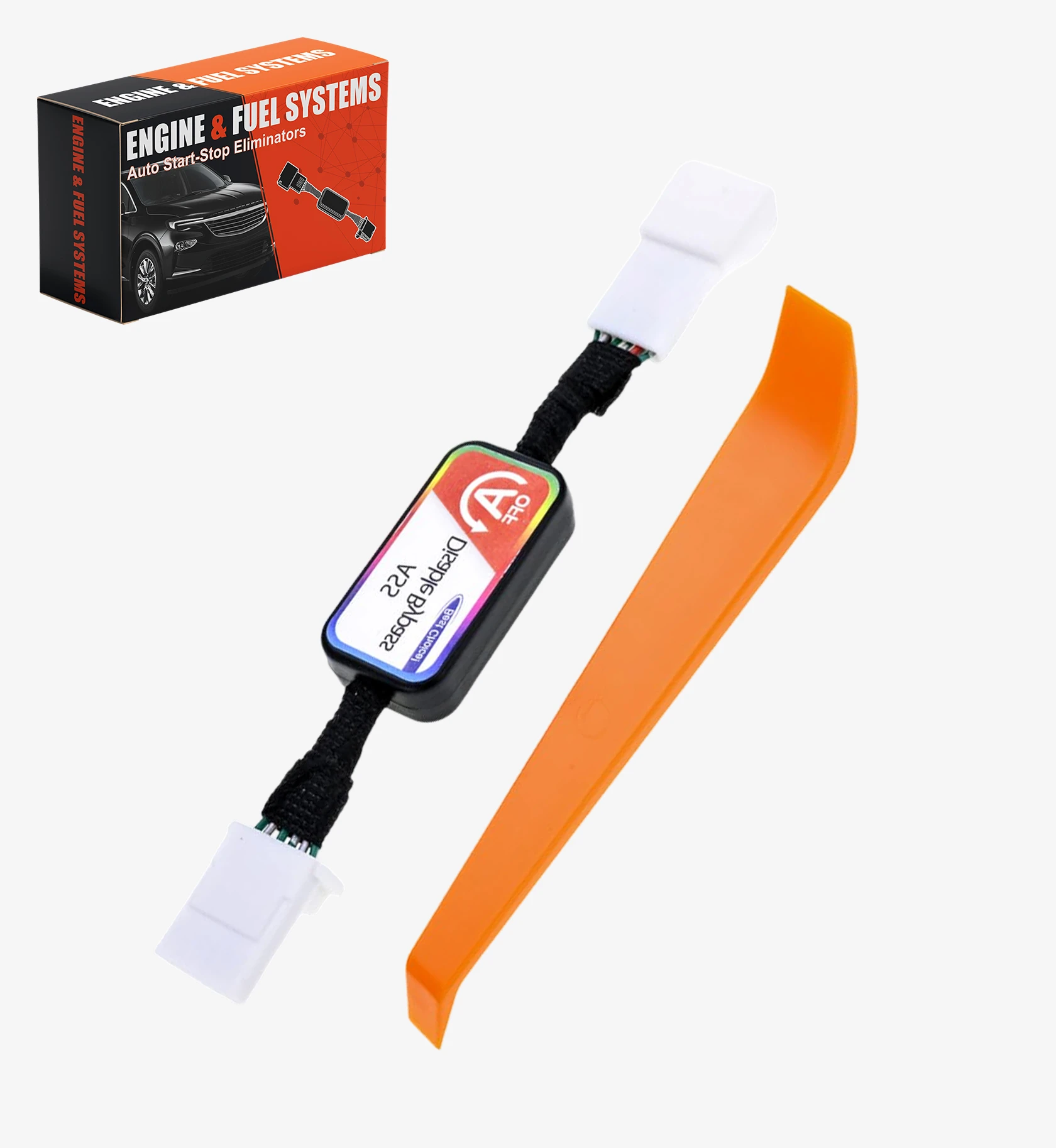 2024–2026 Toyota Tacoma
Auto Start-Stop Eliminator
$78.99
Plug & play · midsize truck platform
2024–2026 Toyota Tacoma
Auto Start-Stop Eliminator
$78.99
Plug & play · midsize truck platform
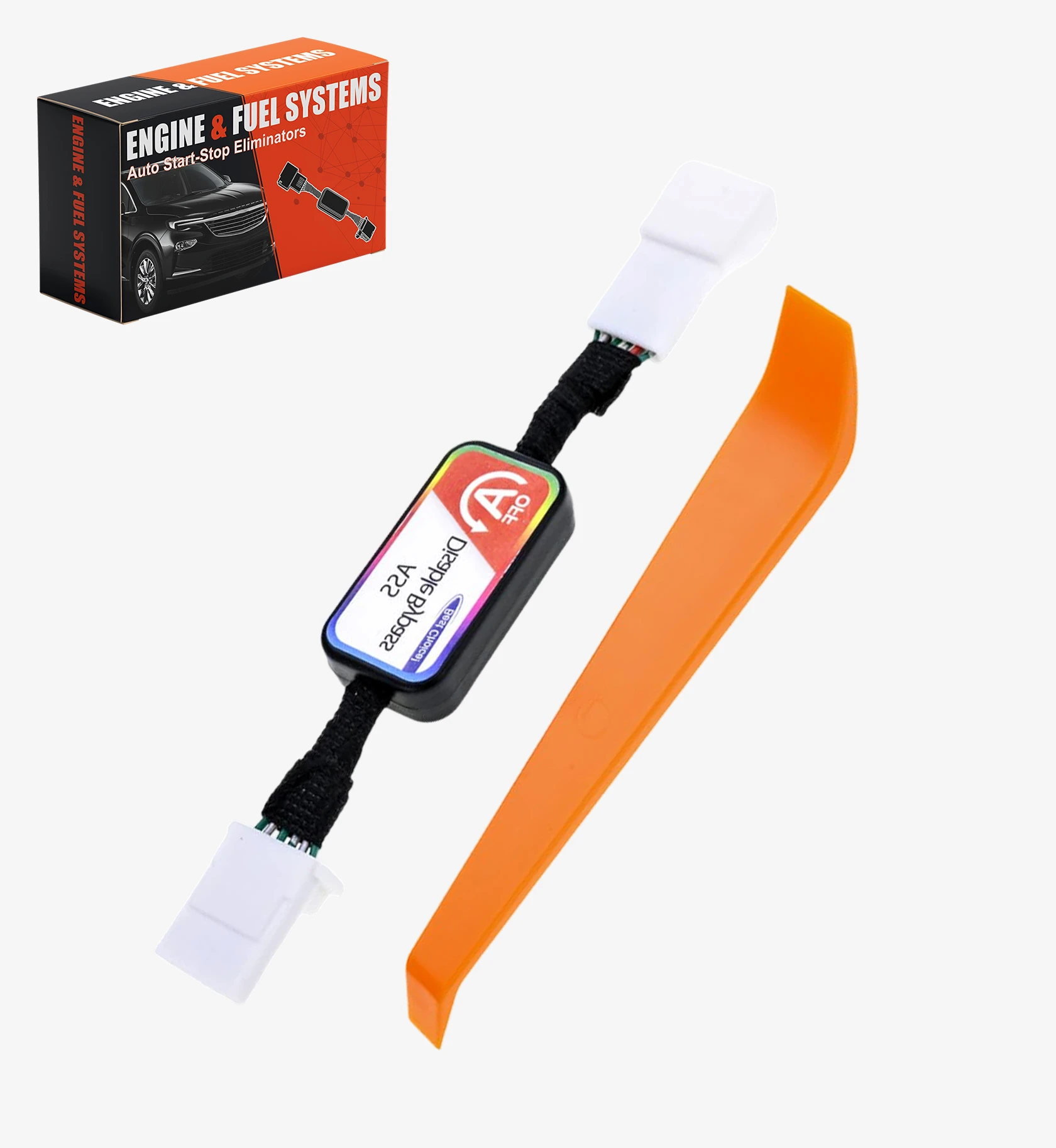 2025–2026 Toyota 4Runner
Auto Start-Stop Eliminator
$79.99
Plug & play · body-on-frame SUV
2025–2026 Toyota 4Runner
Auto Start-Stop Eliminator
$79.99
Plug & play · body-on-frame SUV
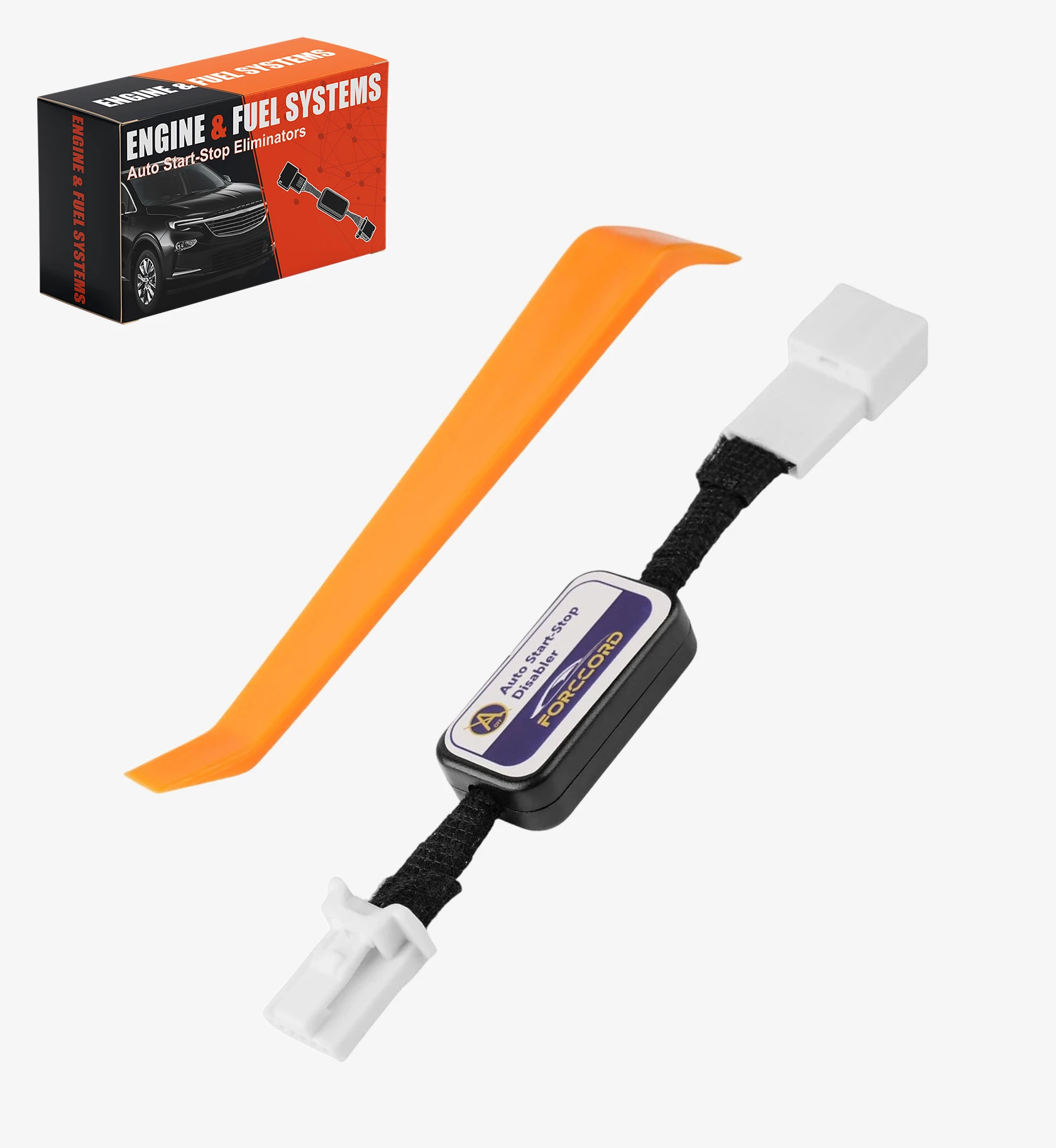 2020–2025 Toyota Highlander
A-OFF Memory Harness
$79.99
Holds the setting · console connection
2020–2025 Toyota Highlander
A-OFF Memory Harness
$79.99
Holds the setting · console connection
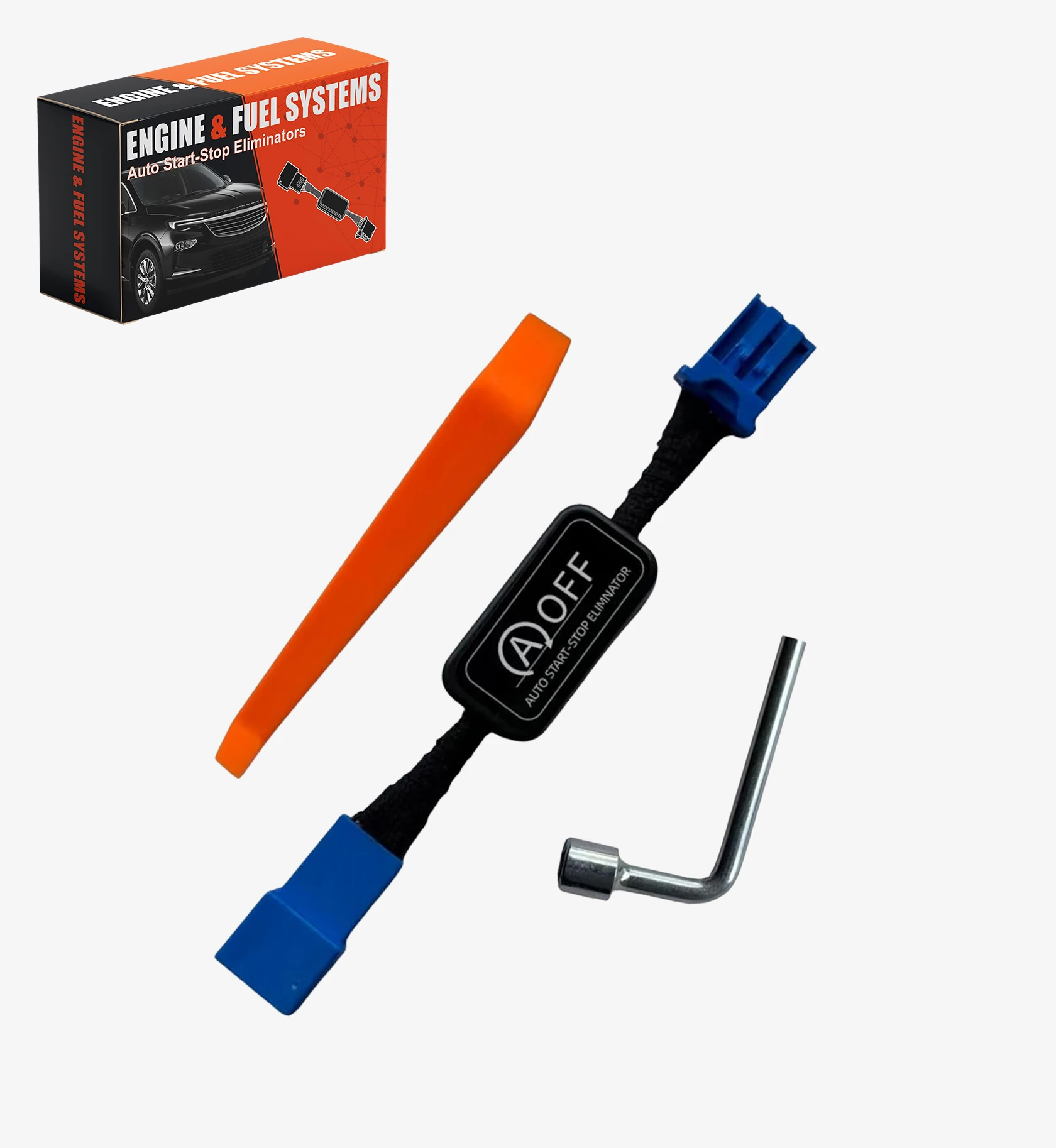 2020–2025 Toyota RAV4
A-OFF Memory Harness
$73.99
6-inch harness · remembers your choice
2020–2025 Toyota RAV4
A-OFF Memory Harness
$73.99
6-inch harness · remembers your choice
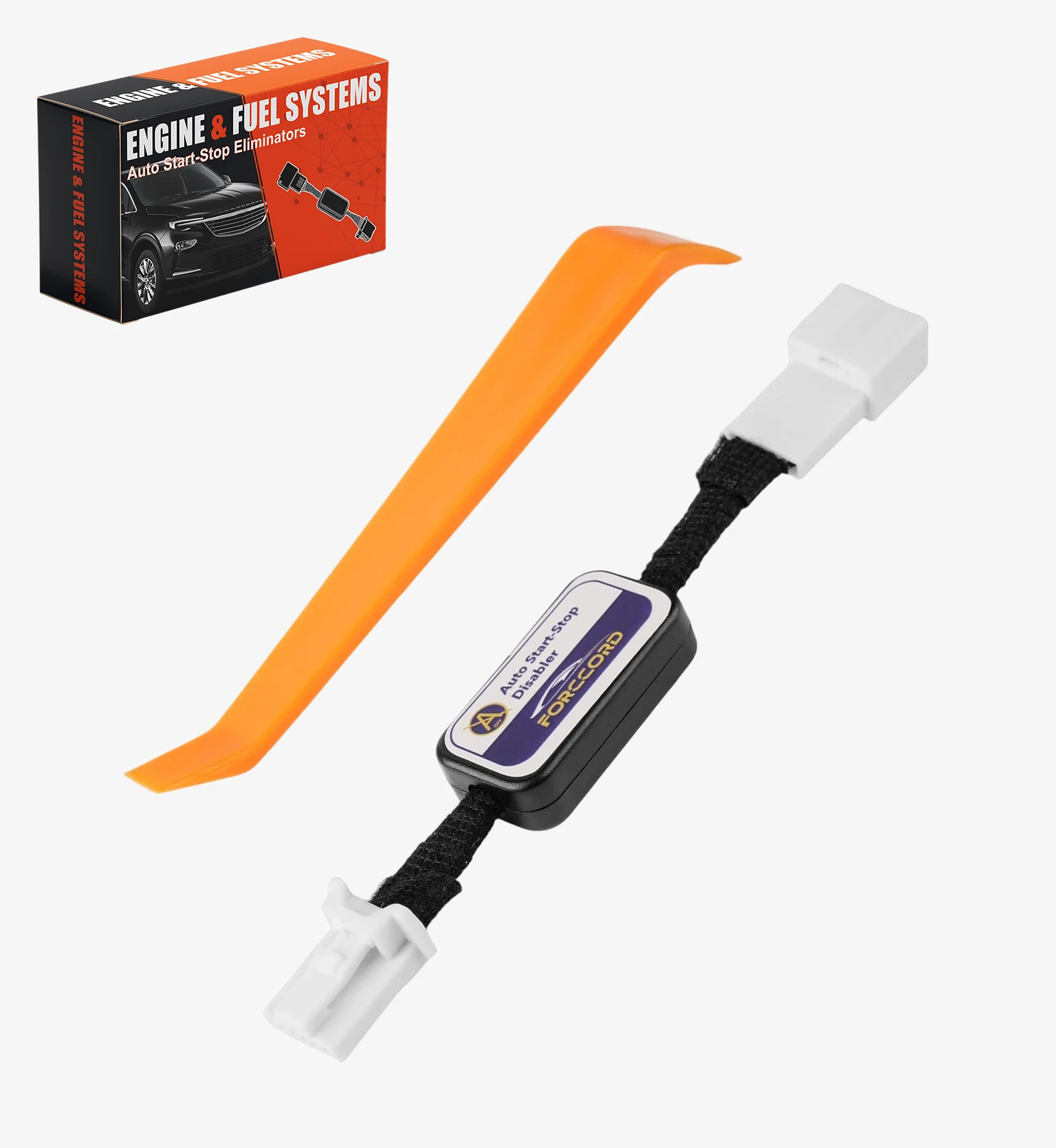 2022–2025 Toyota Tundra
A-OFF Memory Harness
$79.99
Dash switch connection · full-size truck
2022–2025 Toyota Tundra
A-OFF Memory Harness
$79.99
Dash switch connection · full-size truck
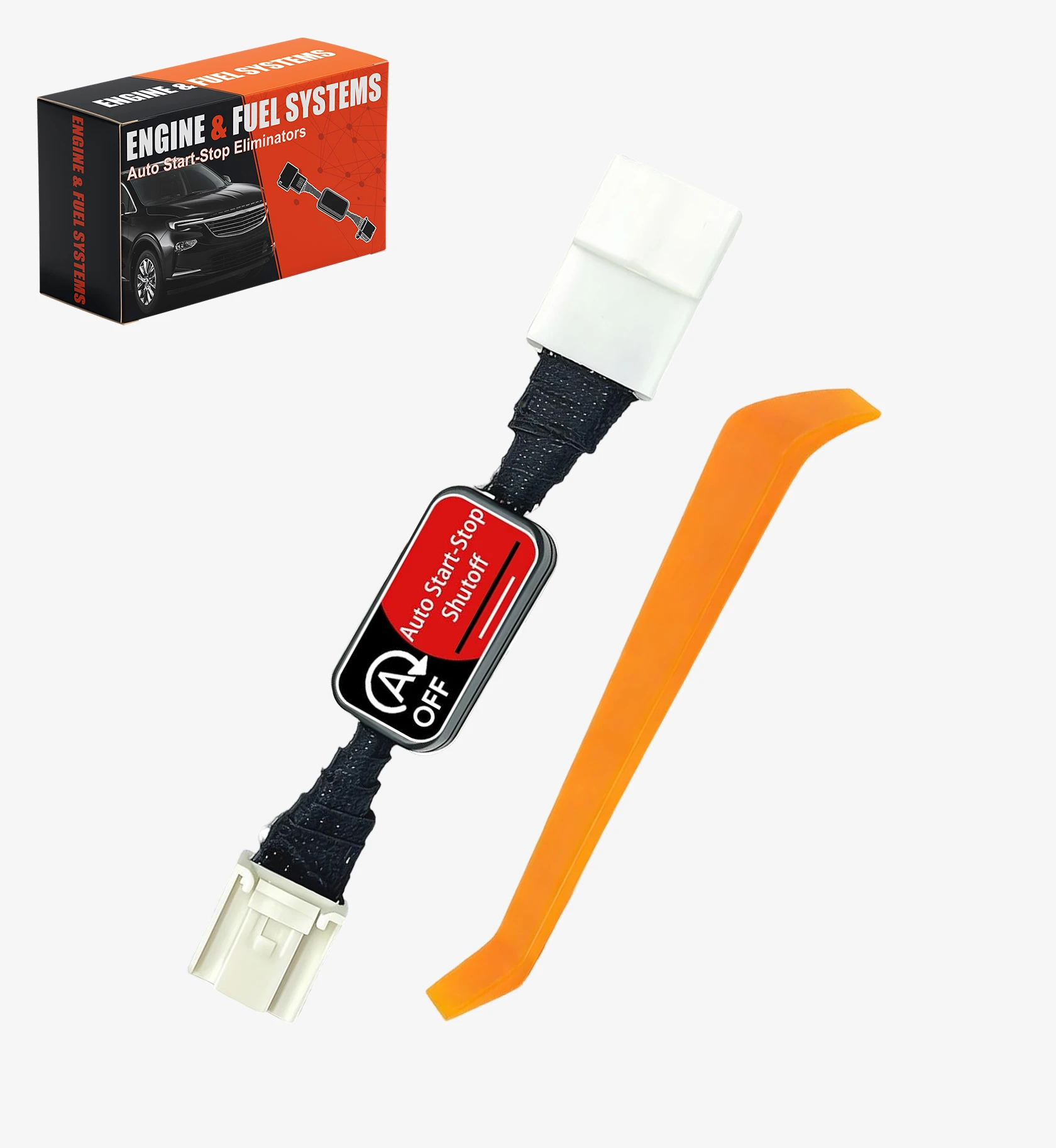 2022–2026 Lexus NX350
Auto Start-Stop Eliminator
$79.99
Plug & play · Lexus crossover
2022–2026 Lexus NX350
Auto Start-Stop Eliminator
$79.99
Plug & play · Lexus crossover
Also in the range: the start-stop catalog covers the Tacoma 2024-onward and 4Runner 2025-onward combination harness, the Tundra 2022–2026 plug-and-play unit, the Lexus TX 350 2024–2026, and the GR Corolla's plug-and-play memory module. If your model isn't listed, check the compatibility guide before ordering.
11 — After Installation
What Actually Changes When Toyota Start-Stop Is Switched Off
Toyota's own button does one job: it turns the function off for the current drive. On several models the setting comes back at the next ignition, which is the reason a memory module exists. Here's the whole picture after installation.
12 — Questions Toyota Owners Ask
Toyota Tire Pressure, Maintenance Light and Start-Stop: Straight Answers
Why is my Toyota TPMS light flashing?
A flashing light is a system fault, not a low tire. The usual cause is a sensor the vehicle can't hear from — most often a sensor whose internal battery has reached the end of its life, or a replacement sensor that was never written to the vehicle. Check pressures first to rule out the cheap answer, then read the codes, then look at the per-wheel readings one corner at a time. Air will not clear a flashing light.
How do I reset a Toyota tire pressure sensor without paying anyone?
With the ignition on, press the tire pressure button to put the system in reset mode, then add a few psi of air to all four tires above the placard figure. Drive twenty to twenty-five minutes at highway speed and recheck. All four tires have to be aired up together, because that's how the vehicle learns the new set of values. This is the fix for a message that appeared after a tire change, and it costs nothing.
Do I need a TPMS relearn tool on a Toyota?
Only after a sensor is replaced. The free reset above handles pressure learning; a new sensor has an identity the vehicle has to be told, and that's a scan-tool job on a Toyota. There's no button sequence that substitutes for it. For a first replacement on a car you own, a tyre shop will usually do the reset and the relearn together.
Why did the maintenance light come back after I reset it?
Because clearing the message and resetting the oil life are two different things. The light can be cleared with the trip-meter hold, but if the oil life counter wasn't reset as well, the message returns early because the counter was still where it was. Setting the oil life properly needs a scan tool. Also worth checking that the interval is genuinely due, and that nothing has stored a code in the meantime.
What does "pre-collision system malfunction" mean on a Camry?
It almost always means the camera behind the rearview mirror can't see what it needs. Grime on the glass in that area, a mounted phone, a dashcam, a sun visor, or condensation produces the message, and cleaning the inside of the windscreen at the sensor housing clears it. If the message persists with the glass clean, check whether the windscreen has been replaced with aftermarket glass — those can lack the camera heater and coating, and may also need recalibration.
What causes the Toyota VSC message?
Two very different things. On a banked road, a crowned surface or a speed break, VSC can engage briefly as a designed response to a yaw it detects — and the message on the cluster is a report, not a complaint. Or VSC has been switched off and is telling you it stays that way, which is also normal. A message that returns on flat, straight roads is a stored fault instead, and the codes are the place to start.
Is the Toyota A-OFF button permanent?
On several Toyota models it isn't — the setting returns at the next ignition, which is why people ask for it to be turned off permanently. A memory harness or module interfaces with the same circuit and holds your selection between drives. Nothing is reflashed, and unplugging it returns the vehicle to stock exactly.
Do Toyotas have cylinder deactivation?
No. Toyota doesn't fit GM-style or Chrysler-style deactivation across its range, which is why VCM, AFM and MDS conversations rarely involve a Toyota badge. If you're comparing systems across brands, the cylinder deactivation guide covers the ones that do — and it's the closest comparison to a Toyota's hybrid-based efficiency work.
Do you sell Toyota TPMS sensors?
We don't, and we'd rather say that than list a part we can't support. Toyota's relearn requirements vary enough by model year that a specialist or dealer is the better source for a genuine sensor. Most Toyota tire-pressure messages are resolved by the free reset before a sensor is ever considered.
13 — Related Reading