Diagnose Before Buying
Diagnose Before You Buy: What To Test Before You Order A Part
Most wasted money on these systems is not a bad part. It is a right part bought for the wrong reason: a sensor replaced when the fault was a valve core, a disabler ordered for a fault light that a relearn clears, an intake cleaned when the code was a misfire. Diagnosis is not a delay before the purchase — it is the part of the purchase that decides which part you need.
01 — The Price Of Guessing
What A Wrong Diagnosis Costs, Itemised
Every figure below is a real price point from the repair side of these vehicles, not an estimate. The point is not that parts are expensive. It is that the wrong sequence multiplies them.
TPMS: "It's a dead sensor"
- Replace one sensor, installed$75–$100
- Sensor needs re-teaching, not replacing$0
- Second visit because the light stayed on$25
- Diagnostic time already spent$80–$200
Replacing first, testing first, or relearning first: $180–$325, $105–$300, or $0
5.3L: "It's the intake"
- Intake or mass air flow sensor, part$60–$200
- Labour plus the codes that came back$100–$150
- Still throwing the code afterwards$80–$200
- The misfire code that was never cleared or re-learned$0
Buying a part before reading the code: $240–$550. Reading the code first: $0
Deactivation: "It's the lifters"
- Lifter replacement, independent shop$1,500–$3,500
- Same work at a dealer$2,500–$5,000
- With a worn cam lobe$4,000–$7,500+
- Oil level and pressure that would have shown it in five minutes$0
The single most expensive line in this catalog is the one that should have been a dipstick check: $0
02 — Knowing Your Equipment
What A $25 Reader Can Do, And What It Will Never Tell You
Cheap OBD2 dongles are genuinely useful and permanently misunderstood. They answer one question very well — what the car has stored — and they answer nothing else.
| Tool tier | What it does | What it cannot do | Typical price |
|---|---|---|---|
| Phone app + basic dongle | Reads stored and pending codes on 1996-onward OBD2 vehicles, clears them, shows engine RPM, coolant temperature, throttle position and a few more live values. | Cannot command anything on the car, cannot read manufacturer modules, cannot activate or program a TPMS sensor, cannot write IDs, and cannot tell a failed sensor from a sensor that simply stopped transmitting. | $20–$40 |
| Graphing / bidirectional reader | Adds live-data graphs, freeze frame, some actuator tests and manufacturer menus. This is where fuel trims, O2 switching and per-cylinder misfire counts become visible. | Still cannot activate a tire sensor, still cannot write to the TPMS module, and access to deeper modules varies by brand. | $80–$150 |
| TPMS-capable tool | Activates sensors at the valve stem, shows signal strength, reads and clears TPMS codes, reads and writes sensor IDs through the OBD port, and reports stored sensor make and part number. GM's own service tool works the same way. | It diagnoses the tire-pressure system only. It tells you nothing about your engine. | $300–$600 |
| Shop or dealer scan | Full vehicle coverage across modules, with the service manual's decision tree behind it. | It is billed as time, typically $80–$200 before any part is ordered. | $80–$200 |
03 — Reading The Codes Honestly
What These Codes Actually Mean, And What They Do Not
A code names a circuit, not a part. The two columns that matter are what the code is telling you, and the mistake people make when they read it.
| Code | What it is actually reporting | The mistake that costs money |
|---|---|---|
| P0300 random misfire | At least one cylinder is not contributing cleanly enough for the exhaust to be judged clean. | Buying one part on the strength of a random code. P0300 is a summary, not a diagnosis — the per-cylinder counts show which cylinder to look at. |
| P0301–P0308 cylinder-specific misfire | That numbered cylinder is misfiring, on a deactivation engine usually one of the parked set. | Assuming the code proves the injector or the coil is dead. On a collapsing-lifter engine the same code comes out of the valvetrain. |
| P3400 / P3497 (Honda) | Variable cylinder management cannot hold its state — very often because oil level or oil pressure is not what the system expects. | Buying a VCM disabler for a low-oil warning. Check the dipstick before anything is ordered. |
| P0420 catalyst efficiency | The downstream oxygen sensor sees exhaust that does not look like the catalyst cleaned it. Often a consequence, rarely the first thing wrong. | Treating it as an air-and-fuel "performance" code. It is a downstream measurement, and the cause is usually upstream or intermittent. |
| C2021–C2024 (Toyota TPMS) | That tire's pressure dropped below the threshold — a number, not a failed sensor. | Buying a sensor for a tire that is simply 1 psi low on a cold morning. |
| C2121–C2124 (Toyota TPMS) | No data received from that transmitter — the pattern a dead battery or a damaged sensor produces. | Reading "no data" as "low pressure". It is the opposite condition: no reading at all. |
| C1234 (Ford) | Right-front wheel speed sensor input signal missing, and it belongs to the ABS system, not the tire pressure monitor. | Assuming a tire-pressure fault because the truck shows a tire message. Same symptom area, entirely different system and a completely different sensor. |
04 — The Test Ladder
Six Steps From Symptom To Cause, Cheapest First
Work down this list in order and stop when the symptom is explained. Every step down costs more than the one above it, which is exactly why the order is the money.
Look, listen and dip the oil
Oil level on the dipstick, cold tyre pressures against the door placard, visible leaks or a soft tyre, and whether the engine audibly drops cylinders on a steady highway cruise. On a deactivation engine, low oil is the fastest way to destroy hardware and the easiest thing to see.
5 minutes · freeDrive, then read what is stored
A fault often needs a drive cycle before it stores anything. Warm the engine, drive through a full warm cycle, then read stored and pending codes rather than guessing from the dashboard.
20–30 minutes · free if you own a dongleRead live data, not just the code
Short and long-term fuel trims, whether the oxygen sensor is switching, and the per-cylinder misfire counts. This is where a summary code becomes a specific cylinder, and where "the intake" stops being a guess.
Needs a graphing reader or a shopTest the suspect component before buying it
For a tire system, that means activating each sensor and reading its stored make, part number, pressure and signal strength. For a valve that has "no data", it means checking the core and the stem before the sensor.
TPMS-capable tool · $300–$600, or a shop will run itAsk what has been ruled out
Any diagnosis should come with an exclusion list. "It is the sensor" is not a diagnosis; "we tested the sensor, it read its ID at 60 percent signal and its pressure tracked the gauge, so the sensor is good" is.
Free, and the most useful question you ownOnly now, order the part
At this point the part is a conclusion. Match it to your vehicle's engine code and year before you pay, and keep the scan printout — it is the reference when the same symptom returns.
$0–$7,500+ depending on the finding05 — The Free Checks
Seven Things You Can Rule Out In A Parking Lot
Each of these has ended a parts order. None of them needs a tool, a lift or a phone call.
06 — What The Findings Usually Mean
Symptom, Most Likely Cause, And The Honest Fix
This is the mapping that turns a diagnosis into a decision — including the two answers that are not a purchase at all.
| What you found | What it usually means | The honest fix |
|---|---|---|
| Cold, correct pressures, lamp flashing | A sensor is not reporting: dead battery, damaged on a tire change, or a wheel with no sensor fitted. | Test each sensor, then replace the failed one, or fit an emulator if the vehicle runs wheels that will never carry sensors. |
| Correct pressures, lamp steady after a tire service | The system lost track of where its sensors are. | A relearn, not a replacement: a drive cycle, a reset button, a stationary learn or an OBD write, depending on the vehicle. |
| Low readings on one tyre, slow loss with no visible leak | A slow leak at the stem, the rim or the bead — not a sensor. | Find the leak before replacing anything. Soapy water at the stem and a pressure re-test settles it in minutes. |
| P0300 plus a per-cylinder count, plus a tick | Valvetrain wear on a deactivation engine, or ignition on that cylinder. | Oil first, then the valvetrain. A module, a tune or a delete is not a repair for a collapsed lifter. |
| Everything reads fine, no light, but mpg dropped | Nothing is broken. Pressure, alignment, or driving changed. | Measure before you spend. This outcome is common and it is the one most people refuse to accept. |
| Two vehicles, same year, same symptom, different answers | Different hardware underneath — the same reason fitment is published by engine code. | Compare engine codes, not badges. The vehicle compatibility guide shows how to read them in five minutes. |
07 — Holding The Line At The Counter
Four Things To Ask For Before Anyone Orders A Part
A good shop volunteers all four. If the conversation is moving fast and none of them has been mentioned, slow it down.
The codes, in writing
The printout or a photo of the screen, including pending codes and the freeze frame if the reader captured one. A code is a starting position that can be read two ways, and you want the same evidence the technician is working from.
The exclusion list
What has been tested and ruled out. A technician who can tell you the sensor read its ID correctly, or that fuel trims are inside the normal band, is describing a diagnosis rather than selling a guess.
Diagnosis and repair as separate lines
A diagnostic fee tells you they have found the cause. Authorising parts before that fee has produced a finding is how a $80 part becomes a $900 visit.
What happens after the repair
Whether codes will be cleared, whether a relearn is included, and whether the fix needs watching. A repair that ends with a cleared code and no drive cycle has not been verified.
08 — Owner Questions
Diagnosing Questions With Straight Answers
How can I read my car's codes for free?
With a $20 to $40 OBD2 dongle and a phone app, on any 1996-onward OBD2 vehicle: plug it in, turn the key on, read stored and pending codes, then clear them. What that setup will not do is command anything, read manufacturer modules, or touch a tire sensor — a cheap reader is a code book, not a tool. Graphs, freeze frame and per-cylinder data need a more capable unit or a shop.
Why do I still have the code after replacing the part?
Because the code was never cleared, or the cause was somewhere else. Stored codes stay in the module until they are erased, and a fix that leaves the history in place can look like a failed repair on the next drive. Clear the codes, drive a full cycle so the monitors run, then read them again. A code that returns means the part was not the cause; a code that stays gone means it was.
What is the most common misdiagnosis on these trucks?
Buying a sensor for a tyre that is simply low, and buying an air or intake part for a misfire code. Both come from treating a code as a part name. The first is settled with a gauge in five minutes, the second with fuel-trim and oxygen-sensor data. In deactivation engines the third most common one is buying a module for an oil-level warning.
Do I need a scan tool or can a shop do it?
A shop can, and the diagnostic is normally billed at $80 to $200 before any part is ordered. Owning a basic reader lets you read and clear codes yourself and stops the conversation starting from scratch at every visit. A TPMS-capable tool is a different purchase at $300 to $600, and it is the only thing that can activate a tire sensor or write its ID to the car.
Is P0420 a sign my engine is running lean?
Not as a first conclusion. P0420 reports that the downstream oxygen sensor is not seeing exhaust cleaned the way it expects, and the catalyst is the system being measured — but the cause is frequently upstream, intermittent, or the result of something else entirely. Read live data and the other stored codes before concluding anything about fuelling.
Why does my tire warning say one thing and the code say another?
Because they come from different systems. On a Ford, C1234 is a right-front wheel speed sensor code belonging to ABS, not to the tire pressure monitor — so a tire message on the dash and that code together are not one fault. This is exactly why a code has to be read in the system that produced it, and why guessing from the warning light alone is expensive.
How long should a diagnosis take before I agree to a repair?
A code read and a free check take minutes; a live-data test takes tens of minutes; a proper component test on a tire system takes a little longer. What should never happen is a parts order before a finding. If the invoice has parts on it and nobody can tell you what was ruled out, that conversation is the place to stop.
Can I diagnose this before buying a disabler, emulator or sensor?
Yes, and that is the point of doing it first. A disabler answers a strategy question, an emulator answers a missing-sensor question, and a replacement sensor answers a failed-transmitter question. Get the finding first, then the part — the diagnosis is the only part of the process that decides which of the three you actually need, and it is the cheapest step in the whole sequence.
09 — When The Answer Is Hardware
Disablers And Emulators, For When Diagnosis Points At The System
Some findings do end in a part. A dead sensor battery, a vehicle that runs wheels without them, or a truck where deactivation is the problem itself — these are hardware conclusions, and the modules below are built for a specific application rather than a badge.
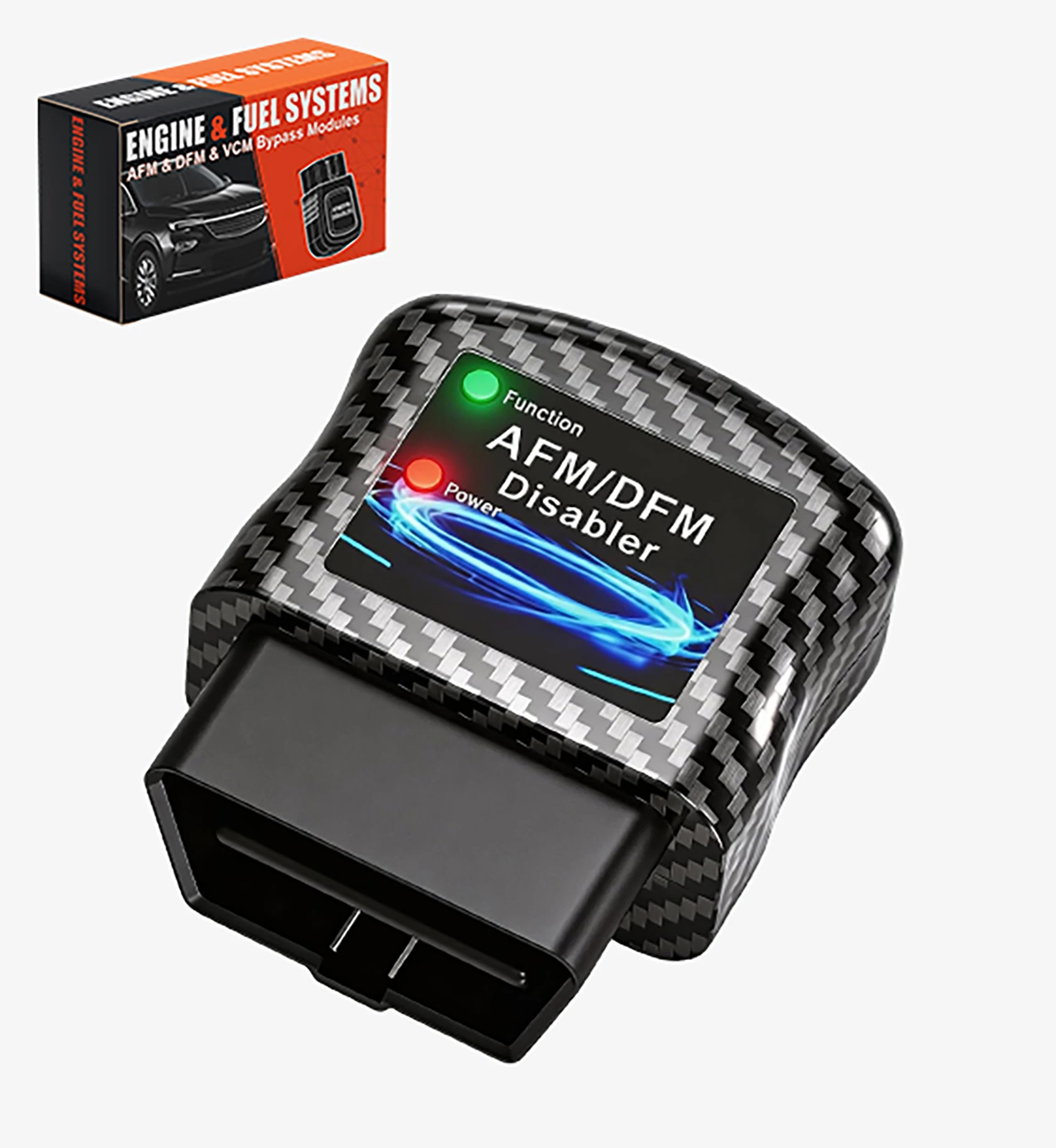 2010–2017 Cadillac Escalade ESV
AFM/DFM Disabler · OBD-II
$79.99
6.2L V8 · ESV listed as its own application
2010–2017 Cadillac Escalade ESV
AFM/DFM Disabler · OBD-II
$79.99
6.2L V8 · ESV listed as its own application
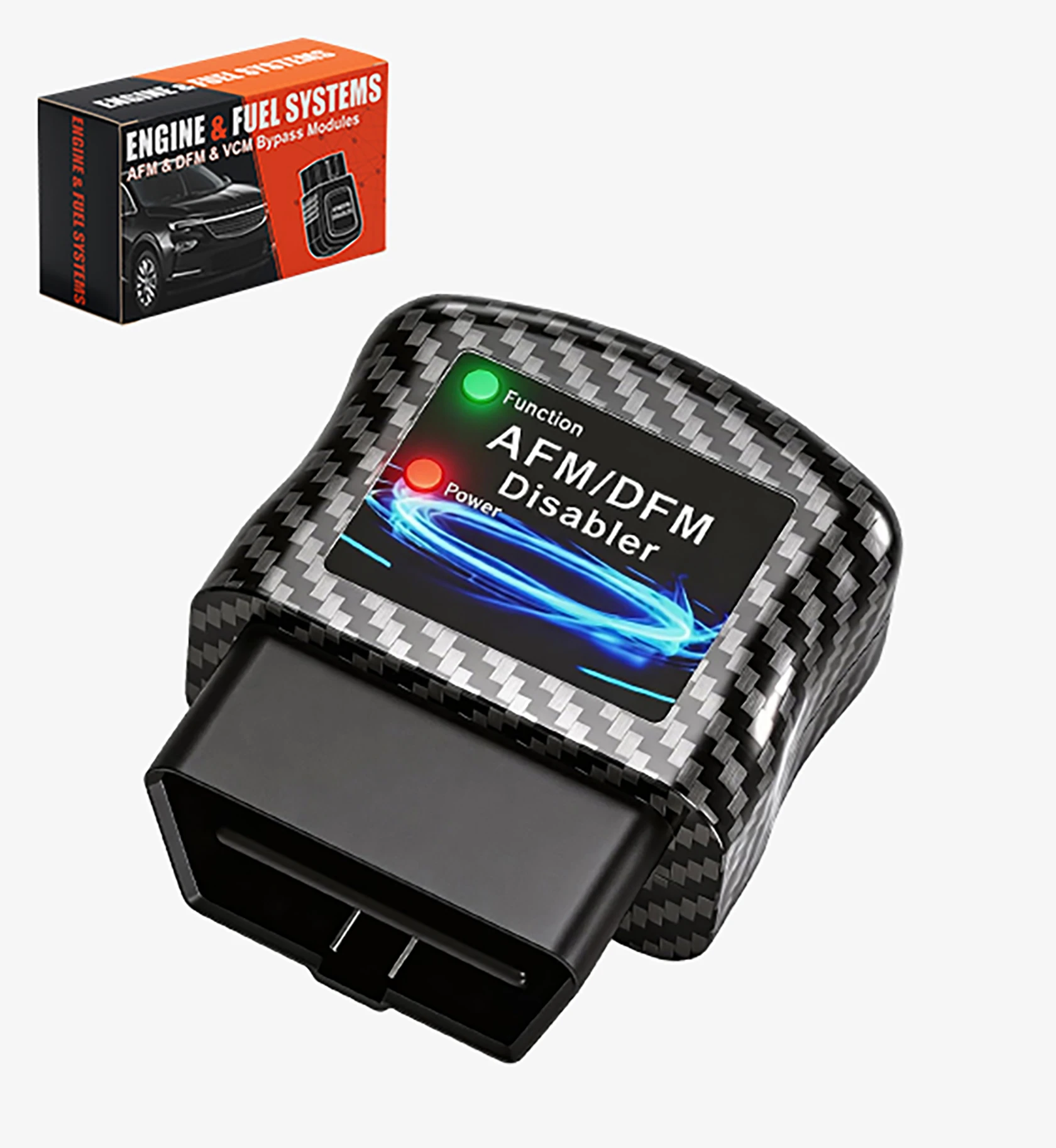 2014–2018 Chevrolet SS
AFM/DFM Disabler · OBD-II
$79.99
6.2L V8 · confirms the system on a high-output car
2014–2018 Chevrolet SS
AFM/DFM Disabler · OBD-II
$79.99
6.2L V8 · confirms the system on a high-output car
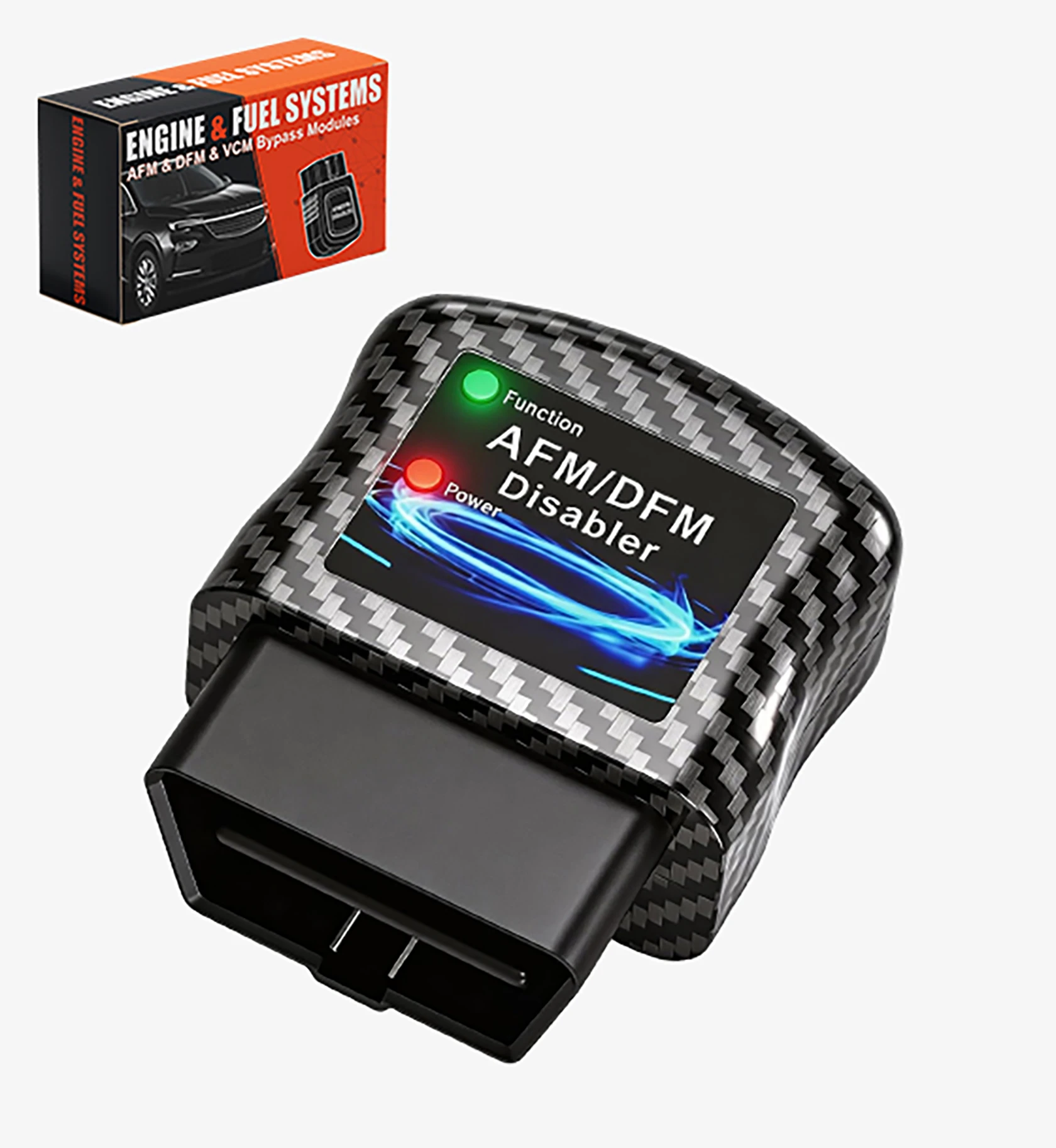 2008–2010 Pontiac G8 / GT / GXP
AFM/DFM Disabler · OBD-II
$79.99
6.0L / 6.2L V8 · one trim-covering fitment
2008–2010 Pontiac G8 / GT / GXP
AFM/DFM Disabler · OBD-II
$79.99
6.0L / 6.2L V8 · one trim-covering fitment
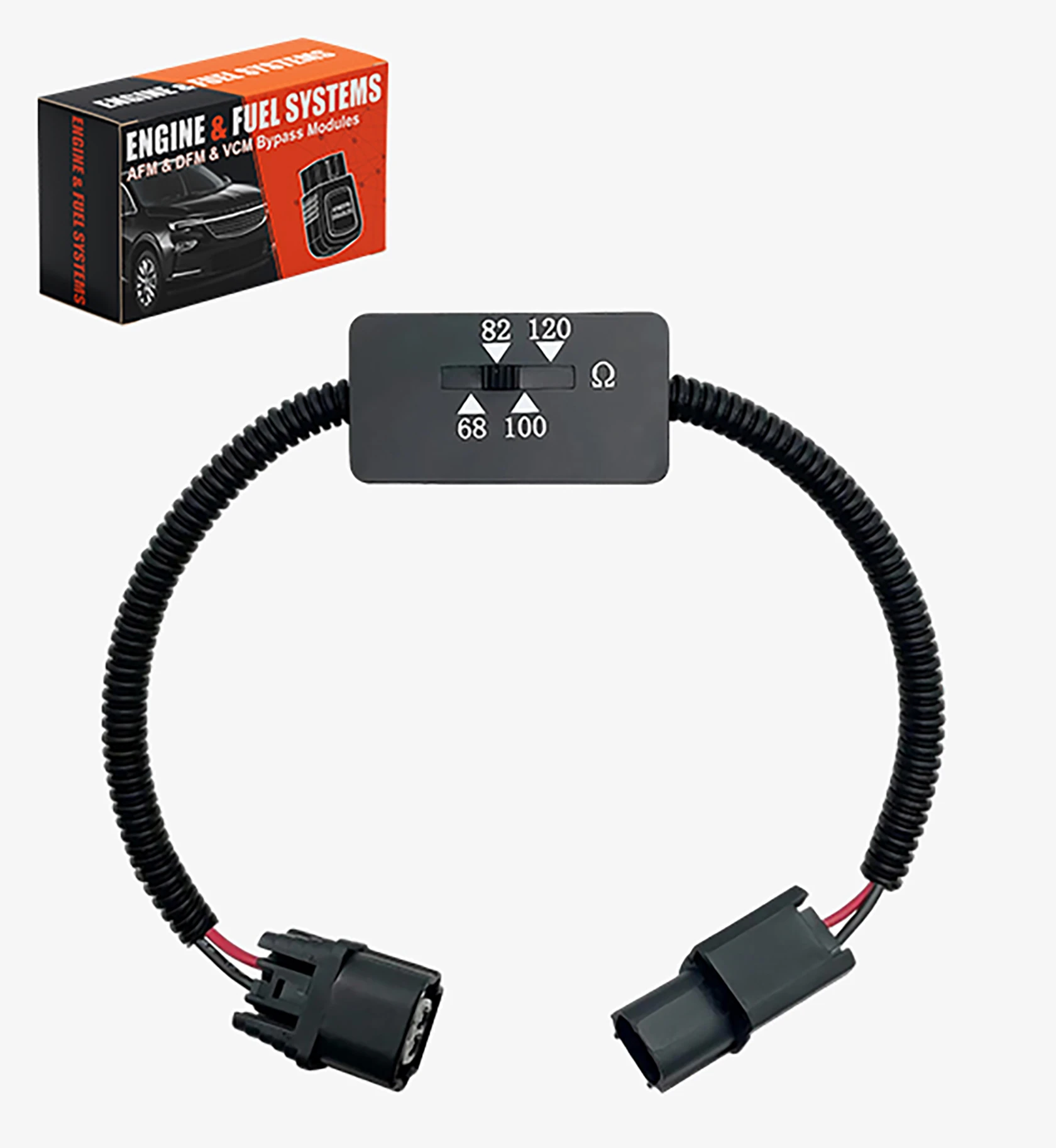 2008–2017 Honda Accord V6
VCM Disabler Harness · ECT1
$79.99
3.5L V6 · 82Ω starting point
2008–2017 Honda Accord V6
VCM Disabler Harness · ECT1
$79.99
3.5L V6 · 82Ω starting point
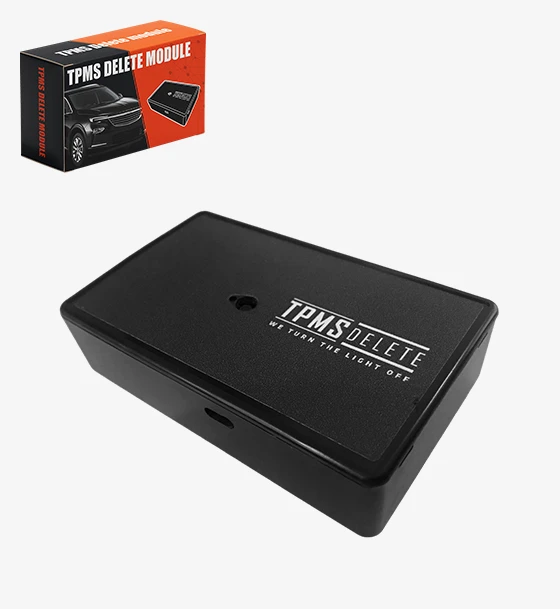 2008–2016 GMC Sierra 1500
TPMS Sensor Emulator · in-cabin
$119.99
When a sensor cannot be replaced usefully
2008–2016 GMC Sierra 1500
TPMS Sensor Emulator · in-cabin
$119.99
When a sensor cannot be replaced usefully
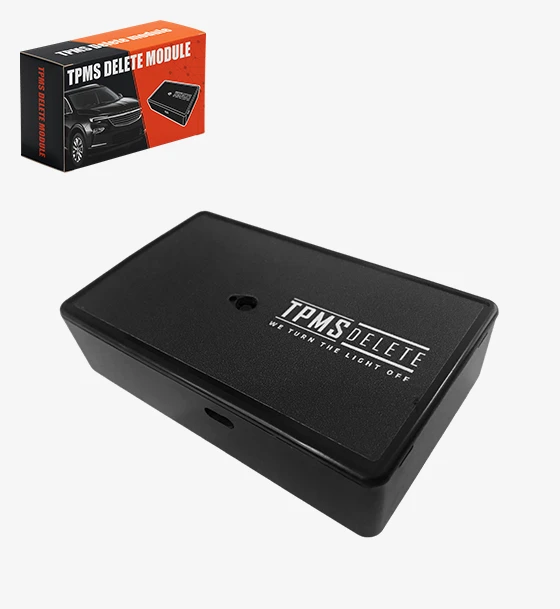 2010–2016 Chevrolet Camaro
TPMS Sensor Emulator · in-cabin
$119.99
All four positions from one unit
2010–2016 Chevrolet Camaro
TPMS Sensor Emulator · in-cabin
$119.99
All four positions from one unit
Check the finding before the fitment. The disabler catalog and the emulator catalog both print engine lines and model years, and the vehicle compatibility guide shows how to read your code in five minutes. If the diagnosis is still a guess, the AFM, DFM & VCM guide covers the symptoms each system actually produces.
10 — Read Next