The Short Answer
Almost every report that a disabler is "not working" resolves to one of seven causes, and six of them have a single cheap test that tells you which one. One unplug drive splits the whole field in half: symptoms that change when the module comes out are on the device, symptoms that stay are on the engine.
| If the situation is… | Run this first | A clear result means |
|---|---|---|
| You are not sure the truck has the system at all | Steady light-load cruise, listen for the exhaust-note change | Four of eight cylinders on a V8, or two of six on a V6. No change means there is nothing for a device to do |
| The truck still drops to its reduced set with the module fitted | Model year and transmission against the fitment list, then unplug and re-drive | The request is still being satisfied. Either the interface does not match this generation, or the module is not seated |
| You cannot tell whether it is working | Three observations on one drive: cruise note, low-speed shudder, power-on transition | All three absent means it is working. There is no indicator light, so this is the only verification that exists |
| A warning lamp appeared after fitting it | Unplug it and re-drive the same route | Lamp goes away means the device provoked it. Lamp stays means the condition predates the device |
| Shifts feel different for the first few drives | Wait for a full drive cycle, then re-drive | It resolves on its own. The engine computer re-learns idle and torque behaviour after the mode changes |
| The battery is flat after it has been standing | Unplug before long storage and re-test the battery | It was the standby draw. The port is live with the ignition off |
| An inspection failed soon after fitting it | Unplug, then drive a complete cycle before the test | Readiness monitors reset with a full cycle. A short errand immediately before an inspection does not do it |
| It feels like the engine is being held back | Transmission in manual, above the deactivation threshold | If it feels the same in manual, the device is not the variable. That result sends you to the engine, not the module |
What follows is the same material in a longer form: how to establish that the system is on the vehicle at all, the seven device-side causes one at a time, the five things that look like a module problem and are not, what a scan tool can and cannot do here, and the order to work through everything so nothing is tested twice.
Does your truck have it in the first place
A large share of the reports in this category turn out to be about a vehicle that either never had the system, or had it in a generation the device does not speak to. Both are settled in a few minutes, and both are cheaper to settle before anything is bought than after.
The listening test. Take the vehicle onto a steady light-load cruise at a speed and gear where the system is allowed to engage. On a V8, the exhaust note drops in pitch and volume and comes back when you ask for power; on a V6 it is a smaller version of the same thing. If that never happens on a drive where the conditions are obviously right, the system is either absent or already held off — and both of those are answers, not problems.
The paper test. The engine family is the single most useful fact. A 3.0, 3.6, 3.9 or 4.3 litre V6, or a 5.3, 6.0 or 6.2 litre V8, is on the vehicle list in the section below. The 2.7 litre turbo four, the 4.8 litre V8 and the 5.7 litre HEMI are not, and no device in this category is going to change anything on them. When someone asks whether a 2009 Silverado has active fuel management, the answer is that a 2009 Silverado 1500 with the 4.3 litre V6 or the 5.3 litre V8 has it, and the build sheet settles which engine is under the bonnet in about ten seconds.
The scan test. A scan tool that reports the reduced-mode cylinder list will tell you whether the system is present and whether it is currently engaging. This is the only method that is unambiguous, and it is the reason a scan tool is worth having before you buy anything rather than after.
Why the model year alone is a poor shortcut
Because the same badge covers engines with and without the system, and because the system changed generation partway through a model run. A 2018 truck and a 2019 truck with the same engine are not always the same purchase, and the transmission is the detail that most often decides it. The later generation arrived alongside the ten-speed automatic, and a device built for the earlier trucks does not reach the request on these — which is the subject of the fitment section below, and the reason a year range is never quite the whole answer.
The noises and sensations that belong to the system
Before the causes, it is worth separating what the system does from what has gone wrong. Several things owners describe as problems are the system operating exactly as designed, and treating them as faults is what sends people looking in the wrong place.
| What you notice | What it actually is | What it is not |
|---|---|---|
| Exhaust note changes on a steady cruise | The transition itself. The live bank and the stopped bank flow differently through the exhaust | Not a leak, not an exhaust fault, not the module failing |
| Shudder at a stop-start crawl | The exhaust valves on the inactive bank opening and closing. A V8 makes this obvious; a V6 often does not | Not a lifter problem, which sounds different and does not clear on throttle |
| Half a second of softness when you pull away | The lifters refilling and the valves reopening as the full set comes back | Not a transmission fault, even though it is felt through the drivetrain |
| A short burst of vibration as the engine slows to idle | The same transition in reverse, on the way down into the reduced set | Not a mount or engine-balance problem on a vehicle where it appears and disappears with load |
| Nothing happens at all on a truck you expected to have it | Either a generation mismatch, an engine that never carried it, or a system already held off | Not necessarily a fault — the table in the previous section settles it |
The pattern across all five is the same: the sensation appears and disappears with operating condition, and it is absent on a steady full-load pull. Anything that persists regardless of load is a different investigation, and belongs with a mechanical diagnosis rather than with this page.
The ten-minute triage: one unplug drive splits the field
This is the most useful thing on the page, and it costs one drive and no parts. The logic is simple: the module's entire effect is on one observable behaviour, so if removing it changes nothing, the module is not the variable and no amount of replacement will help.
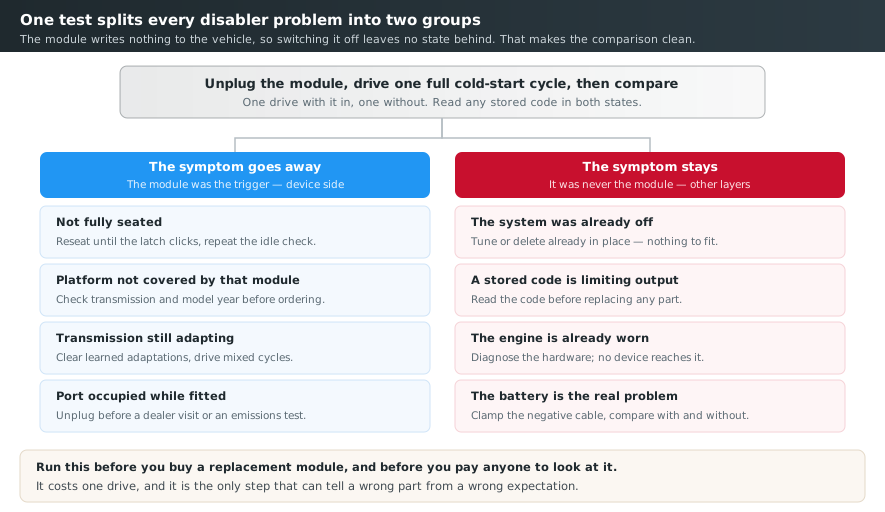
What to record on the drive with it fitted. Three things, in this order: the exhaust note on a steady light-load cruise, the low-speed shudder at a crawl, and whether there is a transition when you accelerate from a low-speed situation. Note each as present or absent rather than as a feeling, because a feeling is what you will argue about later.
What to record on the drive with it unplugged. The same three, on the same route, on the same day. This is the whole test, and it works because the only variable is the module.
| Fitted | Unplugged | What it means |
|---|---|---|
| All three absent | All three present | The device is doing exactly what it is supposed to. The behaviour you are chasing is the system's own |
| All three present | All three present | The device is not reaching the request. Cause one or cause two in the list below — this is the large majority of cases |
| All three present | All three absent | Read it the other way: with it fitted the system is still engaging, and the vehicle behaves normally without it. The device is the problem, or it is not seated |
| No difference at all, and the system never engages in either drive | — | The system is not present, or it is already permanently held off. Neither is a module fault |
What this test cannot tell you. It cannot diagnose a mechanical fault, it cannot tell you whether a lifter is healthy, and it cannot tell you which generation of the system is on the vehicle. It can only tell you whether the module is the variable, which is the question that decides whether the rest of this page is even relevant.
The seven device-side causes, one at a time
These are the seven reasons a module is not doing its job on a vehicle that should be covered by it. They are ordered by how often they turn out to be the answer, and each one has a test that separates it from the others.
1. The interface does not match this vehicle
What you see: the module plugs in, and the truck still drops to its reduced set on a cruise exactly as it did before.
Why it happens: the system changed generation partway through, and the change included the control interface. A device built for the earlier structure does not reach the request on the later one. This is not a fault in the device or the vehicle; they are simply two different conversations.
The test: model year, engine and transmission against the fitment list below. If the vehicle is 2019 or later on the pickups, or paired with the ten-speed automatic, that is the answer, and no amount of re-seating will change it.
What to do: confirm the vehicle against the list before ordering anything. This is the single most common outcome in the whole category, and it is entirely preventable.
2. The module is not fully seated
What you see: the same as above, on a vehicle that is definitely on the list.
Why it happens: the connector has a latch, it is under the dash in an awkward position, and a module that is not fully home can be making contact with some pins and not others. Some vehicles also have the port loose in its trim.
The test: unplug it, look into the port, check the pins for anything bent or pushed back, then reseat the module until the latch clicks. Re-drive.
What to do: this one is worth doing twice before concluding anything else, because it is free and it is genuinely common on a used port.
3. There is no indicator, so nobody has checked
What you see: a belief that the module is not working, based on no observation at all.
Why it happens: a module in this category does not announce itself. There is no light, no beep, no menu item. The only evidence it is doing anything is that the vehicle stops switching cylinders — and if the owner never drove the vehicle before fitting it, they have nothing to compare against.
The test: the three observations from the triage section, on a route with a steady cruise, a crawl and one acceleration from low speed.
What to do: do the drive before concluding anything. A surprising share of this category resolves here, and the fix is a drive rather than a purchase.
4. A warning lamp appeared after fitting it
What you see: a check-engine light or a stability message that was not there before.
Why it happens: two quite different things can be going on. A device on the diagnostic port changes what the engine computer sees during its own checks, which can leave a lamp lit without a stored fault. Or the lamp is a real condition that was developing anyway and the timing is a coincidence.
The test: unplug it and drive the same route. Lamp gone means the device provoked it, and the readiness monitors are the thing to look at next. Lamp still there means the condition predates the device and belongs to a diagnosis.
What to do: read the codes either way, and treat a code that is still there with the module out as a condition of the vehicle rather than of the device.
5. Shifts feel different for the first few drives
What you see: idle roughness, a hesitation, or a shift that feels like it is hunting, in the first days after fitting it.
Why it happens: the engine computer holds adaptive values for idle and torque behaviour, and a vehicle that suddenly stops switching cylinders has to re-learn them. The transitions also stop, so anything you were reading as a shift characteristic was partly the mode change.
The test: drive until a complete cycle has been covered — a full warm-up, a variety of speeds and at least one acceleration from rest — then judge it again.
What to do: wait before reacting. Most of this resolves on its own, and a judgement made in the first two drives is not a judgement.
6. The battery is flat after the vehicle has been standing
What you see: a battery that will not hold a charge after the truck has been parked for weeks, sometimes only in cold weather.
Why it happens: the diagnostic port is live with the ignition off. A module draws a small standby current continuously, and on a vehicle that does not start often enough to put that back, it accumulates.
The test: unplug the module, leave the vehicle for the same period, and see whether it starts without a charger.
What to do: take the module out before long storage rather than after a flat battery. On a vehicle driven regularly it is not a factor, and this is a habit rather than a defect.
7. The vehicle is covered, the module is working, and the answer is still no
What you see: a vehicle on the list, a confirmed working module, and a persistent sense that something is wrong.
Why it happens: the remaining explanations are not about the device. A mechanical condition that predates it, a driveline or exhaust issue that only became noticeable once the mode changes stopped masking it, or an expectation that a fuel saving would appear where the system was providing one.
The test: transmission in manual, above the deactivation threshold. If the vehicle feels the same with the system forced off by hand as it does with the module fitted, the module is not the variable.
What to do: stop working on the device and start working on the vehicle. This is where a mechanical diagnosis begins, and it is the point at which the symptom page takes over.
Five things that are not a module problem
These are worth separating out because they are regularly mistaken for device faults, and working on them as if they were device faults is how people end up buying the same part twice.
| What it looks like | Why it is not the module | Where it belongs |
|---|---|---|
| Shudder and exhaust-note change on a truck with no module fitted at all | That is the system working. There is nothing fitted to blame | Expected behaviour, listed in the section above |
| A tick that follows engine speed and does not clear on throttle | The system's own sounds clear with load. A tick that tracks RPM is a valvetrain symptom | Symptom and code page |
| A misfire code that names a cylinder | A device does not cause or cure a cylinder-specific fault. If the code came back after fitting a module, read it as information about the engine | Symptom and code page |
| Oil consumption that has moved | No device changes consumption, in either direction. A change over months is an engine measurement | Symptom and code page |
| Fuel economy expectations | Holding all cylinders on removes the light-load saving. That is the design, not a fault | Decision page, which covers the trade honestly |
One more, and it is the one that costs the most money: buying a second device before running the triage. A module that fits and does nothing looks identical to a module that is defective, and the two have completely different causes. The unplug drive separates them in ten minutes, and it is the reason that test is the first section on this page rather than the last.
What a scan tool can and cannot do
Yes — a scan tool can hold the system off, and it can also tell you whether the system is on the vehicle at all. Both of those are worth knowing before a purchase, because each one removes a category of doubt that is otherwise expensive to resolve.
| What you want to know | Can a scan tool do it | What it takes |
|---|---|---|
| Does this vehicle have the system | Yes | A tool that reports the system status or the reduced-mode cylinder list. This is unambiguous and takes about a minute |
| Which cylinders stop | Yes | The same readout, on a drive where the system is engaging |
| Is the system engaging right now | Yes | Live data, watching the reduced-mode state while the conditions are right |
| Hold the system off | Yes, with the right tool | A tuner or a tool able to write the deactivation function. This is the same category of action as a calibration change: it persists until something writes over it |
| Prove a mechanical fault is not a device fault | Partly | It can show you the state; it cannot judge a valvetrain. That is what the compression and valve-motion checks on the symptom page are for |
| Tell you whether a vehicle is covered by a device | No | That is a fitment question, and it is answered by the vehicle list rather than by a tool |
The practical recommendation is to do the read-only checks before the write check. A tool that only reads will tell you whether the system is present, which cylinders it uses and whether it is currently engaging — which is most of the diagnosis. The ability to hold the system off is a different capability, it is usually a step up in what the tool does, and it is worth having only if you want a permanent change, which is a different decision from the one this page is about.
The two fitment questions that decide most of these
Of everything on this page, two questions account for most of the outcomes. Both are answerable before a purchase, and both are answerable from the vehicle rather than from a description of the product.
Question one: which generation of the system is on this vehicle? The generation changed, and it changed along with the control interface and the transmission pairing. On the pickups, the AFM and DFM product line on this site stops at the 2018 model year; the cars and crossovers run to 2019. A 2019 or later Silverado or Sierra appears on this site, but on the start-stop product line, which is a different job on a different part of the powertrain. If someone is looking for an AFM disabler 6.2 10-speed, or a disabler for a 2020 or 2021 truck, the answer is that the removable device does not reach those vehicles.
Question two: which engine is under the bonnet? The badge does not tell you. A truck that is on the list with the 4.3 litre V6 and the same truck with the 5.3 litre V8 are both covered, and a truck with the 2.7 litre turbo four or the 4.8 litre V8 is not covered at all — those engines never carried the system, so there is nothing for a device to act on. The build sheet answers this in seconds and it is the difference between a purchase and a return.
And one boundary worth stating explicitly, because it decides a whole class of reports: a fitment list says which engines carry the hardware, not which of them will wear out early. Nobody can give you that answer, this site has no failure data, and a page that appears to know is describing a fleet it does not own.
The same symptoms, by vehicle
Nearly every question that arrives on this topic has a vehicle attached to it. A Chevy Silverado, a GMC Sierra, a C7 Corvette, a Colorado, a 2009 Silverado, a 2021 Sierra — the vehicle is where people start, and this table is the shortest route from a vehicle to the right test. What is on each of them, and what actually shows up on each, is set out below.
| Vehicle | What is on it | What actually comes up | First move |
|---|---|---|---|
| Chevrolet Silverado 1500, GMC Sierra 1500 — 5.3L / 6.0L | AFM, 2007 onward | Chevy cylinder deactivation problems and Silverado active fuel management problems on this engine are overwhelmingly the two system behaviours: the reduced-mode exhaust note and the low-speed shudder. A tick that tracks RPM is not one of them | Cruise, crawl, accelerate. Three observations, then the unplug drive |
| Chevrolet Silverado 1500 — 4.3L V6 | AFM, 2014–2018 | The mildest version of the system: two cylinders of six, which is easy to miss entirely. 5.3 active fuel management problems do not transfer to this engine, because it is not the same engine | If in doubt, the note on a cruise. If nothing changes, check the engine first |
| Suburban, Tahoe, Yukon, Yukon XL — 5.3L / 6.0L / 6.2L | AFM, 2007–2018 | Same as the pickups, and the 6.2 spends more of its life at a light load, so the system is used more often. GM 6.2 active fuel management problems are more often "it never seems to activate" than anything else | Check the transmission agreement first — manual mode above the threshold |
| Chevrolet Camaro 6.2L, Cadillac CTS 6.2L | AFM, 2010–2018 | GM 6.2 active fuel management problems tend to arrive as a question about which cylinders stop. Read them off the scan tool rather than guessing, because the bank numbering is engine-specific | Scan readout, then the cruise and crawl observations |
| Chevrolet Corvette C7 6.2L | AFM, 2012–2019 | C7 Corvette cylinder deactivation problems are mostly about drivability rather than the system — the mid-engine platform shows the transition differently, and a rough idle after fitting a module is usually the re-learning period | Complete a full drive cycle before judging anything |
| Colorado, Canyon, Traverse, Acadia, Enclave — 3.6L V6 | AFM on the earlier of these years | Two cylinders of six is a small change and easy to mistake for a misfire. Cylinder deactivation engine problems in this group are usually the shudder, and the crossover platforms show it more than the trucks do | Listen at a crawl. Then check the engine is what the build sheet says |
| Trailblazer, Envoy, Saab 9-7X, Rainier — 5.3L V8 | AFM, 2005–2009 | The oldest group on the list. Chevy fuel management problems here are mostly age-related rather than system-related, and the engine is worth checking on its own merits | Consumption record first, then the system observations |
| Impala, Monte Carlo, LaCrosse, Grand Prix — 5.3L V8 | AFM, 2005–2009 | Chevy 5.3 active fuel management problems in the sedans are the same as the pickups. The one difference is that these are the cars people forget the system is fitted to | Build sheet, then the cruise observation |
| Malibu, Uplander, Terraza, Montana — 3.6L / 3.9L V6 | AFM, 2006–2012 | Chevrolet active fuel management issues on the 3.9 are almost always mistaken for an ignition problem, because two cylinders of six is a small change and the idle quality is the only clue | Read the codes before clearing them, then check the exhaust note |
| Cadillac CT6 3.0L V6 | AFM, 2016–2018 | Worth separating from the 3.0 litre diesel, which has no such system at all. Same number, opposite answer, and it generates a steady stream of confused questions | Confirm it is the petrol V6 on the build sheet |
Two things this table deliberately does not do. It does not say which engine will wear out early, because that needs failure data this site does not have. And it does not rank the vehicles, because a list ordered by complaint count would be a list built on other people's forums rather than on anything measurable here.
What to write down before you touch anything
This section exists because most of the wasted time in this category is spent re-establishing facts that were available five minutes ago. Six items, written down once, remove the need to test anything twice.
| Record | How to get it | Why it decides things later |
|---|---|---|
| Engine and model year | Build sheet on the body or the door jamb | Decides fitment, and fitment decides cause one |
| Transmission | The same sheet, or the shift lever | Decides the generation as much as the year does |
| Stored codes and freeze-frame data | Read them before unplugging anything or clearing anything | A cleared code is a lost piece of evidence, and the freeze-frame data is gone with it |
| The three observations, fitted and unplugged | The triage drive | Turns the argument about whether it works into a fact |
| Oil consumption between changes | Two fill-ups, not the manual | The only early indicator available, and the one a device cannot change |
| Whether the truck had any prior change | Ask, or look for a plugged port | A vehicle that already had the system held off behaves differently from a stock one |
One instruction inside that list deserves emphasis: read the codes before clearing them. Clearing a code is the reflex when a light comes on, and it destroys the freeze-frame data that shows the conditions the fault happened under. If a light is on, the useful action is to read, not to clear.
The order to work through them, and when to stop
The order matters more than the effort. Most of the wrong purchases in this category come from testing the cheapest thing first, or the most satisfying one, rather than the most informative.
- Establish whether the system is on the vehicle. Paper, then listening, then a scan readout if you have one. If it is not present, nothing else on this page applies.
- Run the unplug drive. One route, fitted and unplugged, three observations. This splits the field in half and costs no parts.
- If the behaviour changes with the module, the device is the variable. Work down the seven causes in order: interface first, because it is the most common and the cheapest to establish.
- If it does not change, the device is not the variable. Read the codes, then use transmission in manual to establish whether the system is involved in the symptom at all.
- If the system is not involved, stop on this page. A tick that tracks RPM, a code that names a cylinder, or a change in oil consumption is a mechanical question.
- If the engine has already worn, stop on this page as well. A device is prevention. An engine that is already making a noise needs a diagnosis, and that is a different page with a different method.
And one point at which to stop buying: if you have already replaced a module and the behaviour did not change, the second module is not the answer. When the unplug drive shows no difference, the device was never the variable, and repeating the purchase repeats the outcome.
What this page covers, and what it does not
This page stays on diagnosis. It covers how to establish that the system is on the vehicle, how to separate a device fault from an engine fault with one drive, the seven device-side causes with a test for each, the five things that get mistaken for device faults, what a scan tool can and cannot do here, and the order to work through all of it.
It leaves three questions to their own pages.
| Question this page does not answer | Where it is answered |
|---|---|
| What the system is, and which engines and years carry it | Active Fuel Management explained, with the vehicle list |
| What a misfire code or a ticking valvetrain means, and how to confirm the cause | AFM lifter failure symptoms and codes |
| Which of the three ways to turn it off suits this vehicle, and what each one costs and leaves behind | Disabler, delete kit or tune |
If you arrived here because a warning lamp is on, or because a truck you just bought came with a device fitted and you have no idea what state it is in, the second row is where the answer is.
Frequently asked questions
The questions that come up when something is not behaving:
How do I know if I have active fuel management?
Three ways, in increasing order of certainty. Listen on a steady light-load cruise: four of eight cylinders stopping on a V8 is audible. Check the engine against the vehicle list, because the badge does not distinguish a 4.3 litre V6 from a 5.3 litre V8. Or read the system status with a scan tool, which is unambiguous and takes about a minute.
Does my 2009 Silverado have active fuel management?
A 2009 Silverado 1500 with the 4.3 litre V6 or the 5.3 litre V8 has it, and both are on the vehicle list. A 2009 with the 7.0 litre V8 does not, and neither does anything with the 2.7 litre turbo. The build sheet on the door jamb settles which engine is under the bonnet in about ten seconds.
Does my 2021 Silverado have DFM?
Newer trucks are exactly where the generation question matters, and the answer is not reliably yes. Some are built without the function active, and on the ones where it is present, the control interface is the later one. Either way, the removable device sold for this category does not reach them, which is why the fitment list stops well short of those years.
How do I know if my truck has DFM rather than AFM?
The transmission is the quickest tell: the later generation arrived with the ten-speed automatic, and the earlier one sits with the older transmissions. A scan tool that reports the system will name it outright, and the model year plus transmission pair from the build sheet is usually enough to be confident.
Why is my truck still going into V4 mode with the module fitted?
Two possible causes, and the unplug drive separates them in ten minutes. If the vehicle behaves identically with the module out, the request is still being satisfied and the usual reason is that the interface does not match this generation of the system. If the vehicle behaves differently with the module out, the module is not seated. Interface first, because it is far more common.
Can you disable AFM with a scan tool?
Yes, with a tool that can write the deactivation function — and that is the same category of action as a calibration change, because it persists until something writes over it. A read-only tool will not disable anything, but it will tell you whether the system is present, which cylinders it uses and whether it is currently engaging, and most of the diagnosis is available from that alone.
Does an AFM disabler cause problems?
It writes nothing, removes no part, and leaves all cylinders running the way they did by default. The three things that get attributed to it are usually something else: a lamp that the diagnostic port provoked and that clears once the module is out, a battery that went flat after weeks of standing with the port live, and an inspection that failed on readiness monitors that need a full drive cycle. Each has a simple handling, and none of them is damage to the vehicle.
Why is there no way to tell whether the module is working?
Because there is no indicator. No light, no beep, no menu item. The only evidence is behavioural, which is why the three observations — cruise note, low-speed shudder, transition on power — are the entire verification method, and why a drive before a purchase is worth more than a second module after one.
What happens if I unplug a module that is fitted to a truck I bought used?
The vehicle returns to whatever state it was in before the module went on. If the previous owner also had the system disabled in the calibration, that change is still there and the unplug does not reverse it. This is worth asking about when you buy a vehicle with a device already fitted.
How do I stop the battery draining with a module fitted?
Take it out before the vehicle stands for weeks rather than after the battery is flat. The diagnostic port is live with the ignition off, so a module draws a small standby current continuously, and on a vehicle that is not started often enough to put that back it accumulates. On a vehicle driven regularly it is not a factor.
Why did a warning light come on after fitting it?
Unplug it and re-drive the same route. If the light goes away, the device provoked it and the readiness monitors are the thing to look at. If it stays, the condition predates the device and belongs to a diagnosis. Either way, read the codes before clearing them — clearing destroys the freeze-frame data that shows the conditions it happened under.
Is the shudder and the exhaust note change a fault?
On a vehicle with the system, no. They are the transition itself, and they appear and disappear with operating condition. A lifter fault sounds different: it tracks engine speed and does not clear when you open the throttle. That difference is the whole basis of telling the two apart without a tool.
Why does the truck feel different for a few days after fitting it?
The engine computer holds adaptive values for idle and torque behaviour, and a vehicle that suddenly stops switching cylinders has to re-learn them. Drive a complete cycle — full warm-up, a variety of speeds, one acceleration from rest — and then judge. Most of this resolves on its own within the first few drives.
I already replaced the module and nothing changed. What now?
Do not replace it a third time. If the unplug drive shows no difference between fitted and unplugged, the device was never the variable, and a second purchase repeats the outcome. The vehicle needs a mechanical diagnosis, or it does not have the system, or it is a generation the device does not reach — and each of those is settled by something other than another module.
Chevy AFM problems and GMC AFM issues — are they different?
No, and this is the most common confusion in the category. The badge changes and the system does not: the request, the mechanism, the noises, the code behaviour and the module that answers it are identical on a Chevrolet and a GMC of the same year and engine. What does change by vehicle is what you are likely to notice, and that is set out by model in the table above.
DFM problems on a GMC — are they different from AFM problems?
Different generation, same behaviour. A later-generation truck produces the same transitions, the same sounds and the same symptoms, which is why the symptoms are identical. What differs is the interface the device has to speak, and that is the single question that decides whether a module is going to do anything at all on the vehicle in front of you.
GM active fuel management issues on a 5.3 or 6.2 — what do I check first?
Engine and transmission first, because they decide fitment, and fitment decides whether anything you buy will work. Then the three observations on a drive. Then the unplug drive. In that order, most reports end before they reach a purchase, and the ones that do reach one end at the right one.
Which years should I avoid for cylinder deactivation problems?
It depends which problems you mean, and the two common versions have different answers. For a device that does nothing, the years to watch are the later ones, where the control interface changed with the transmission. For valvetrain wear, the exposure is highest where a large engine spends most of its life at a light load. For whether a problem will occur at all, there is no honest list, because that would need failure data nobody publishing this kind of page actually has.
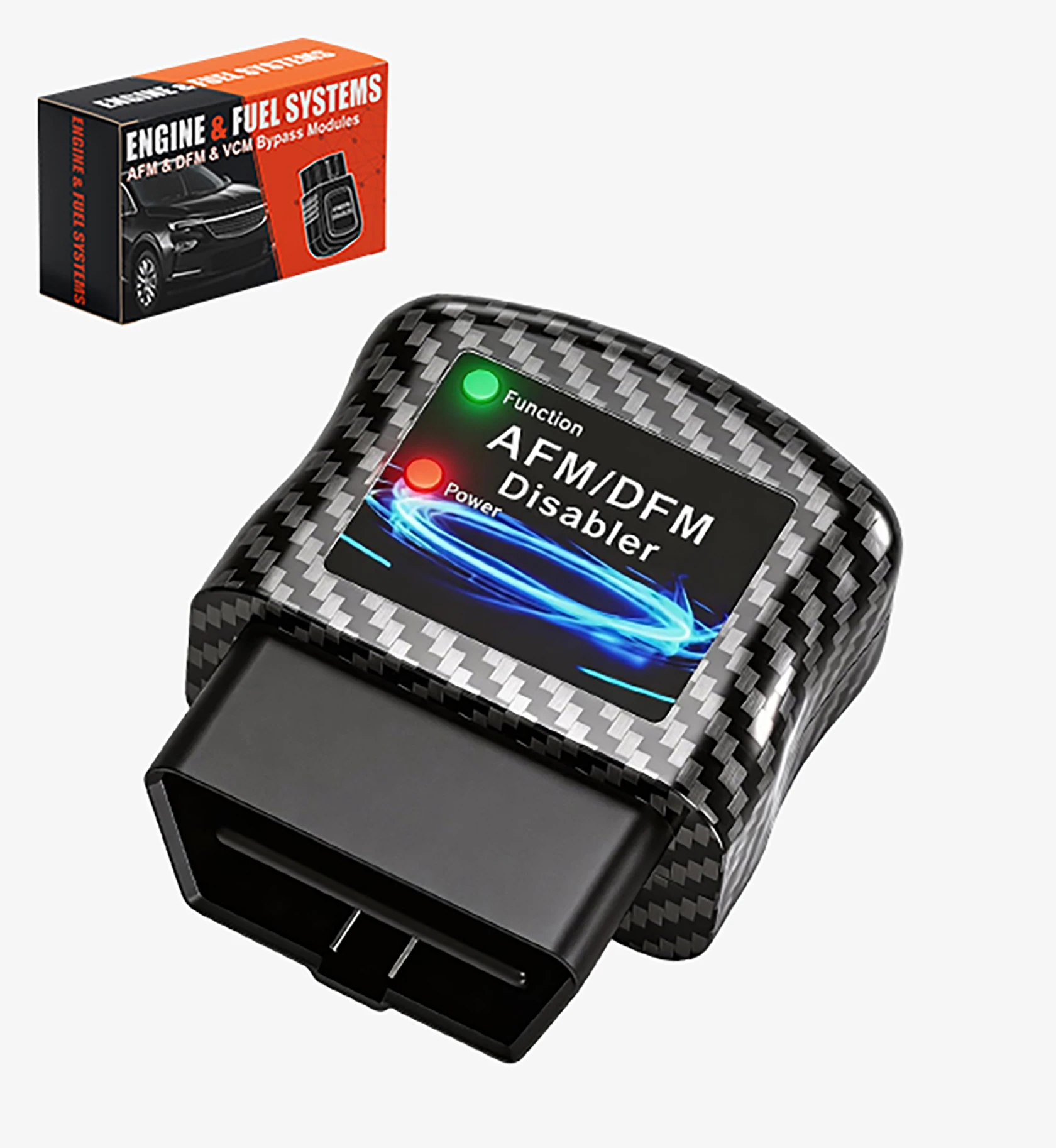 Chevrolet Silverado 1500
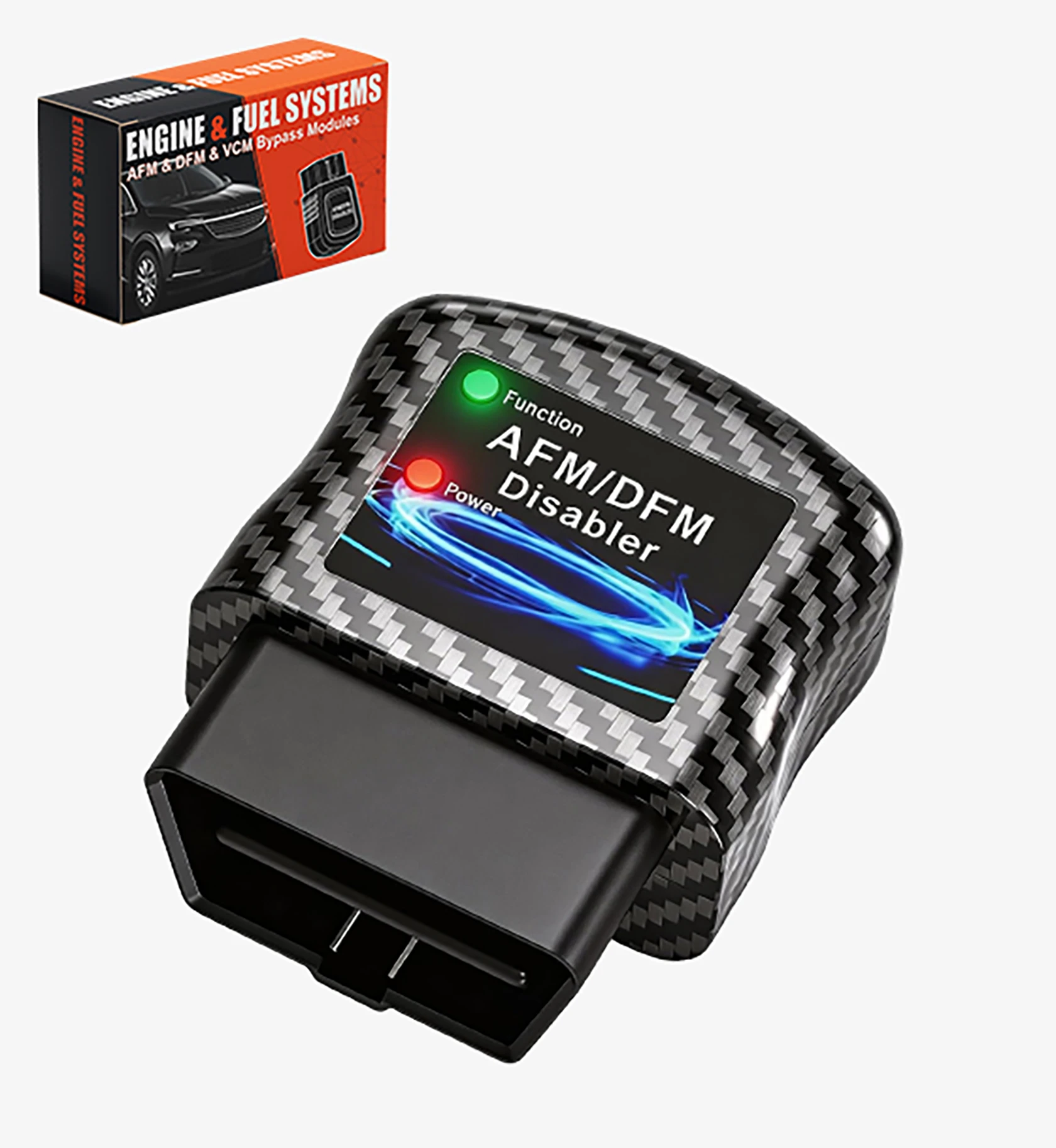 GMC Sierra 1500
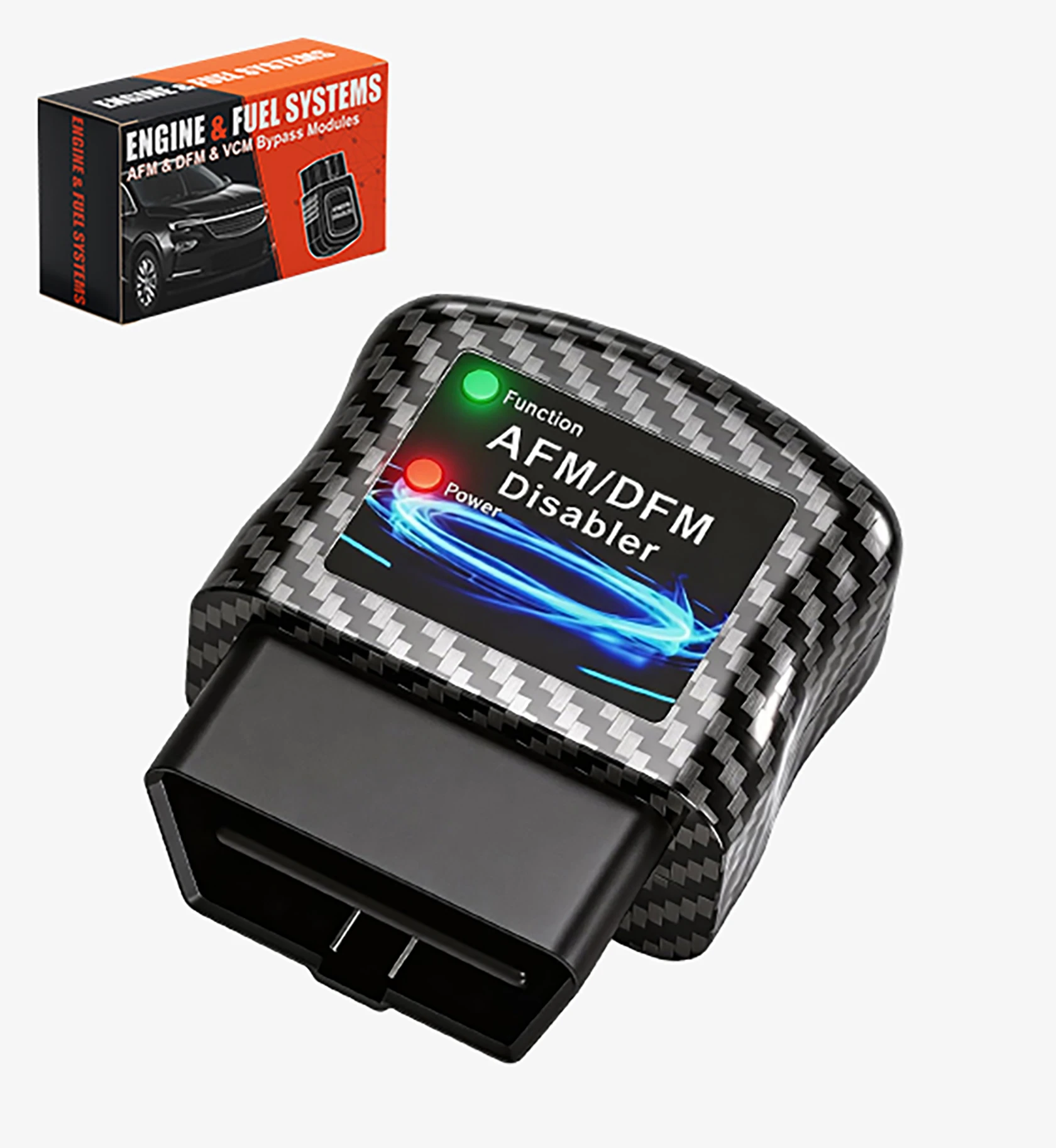 Chevrolet Tahoe
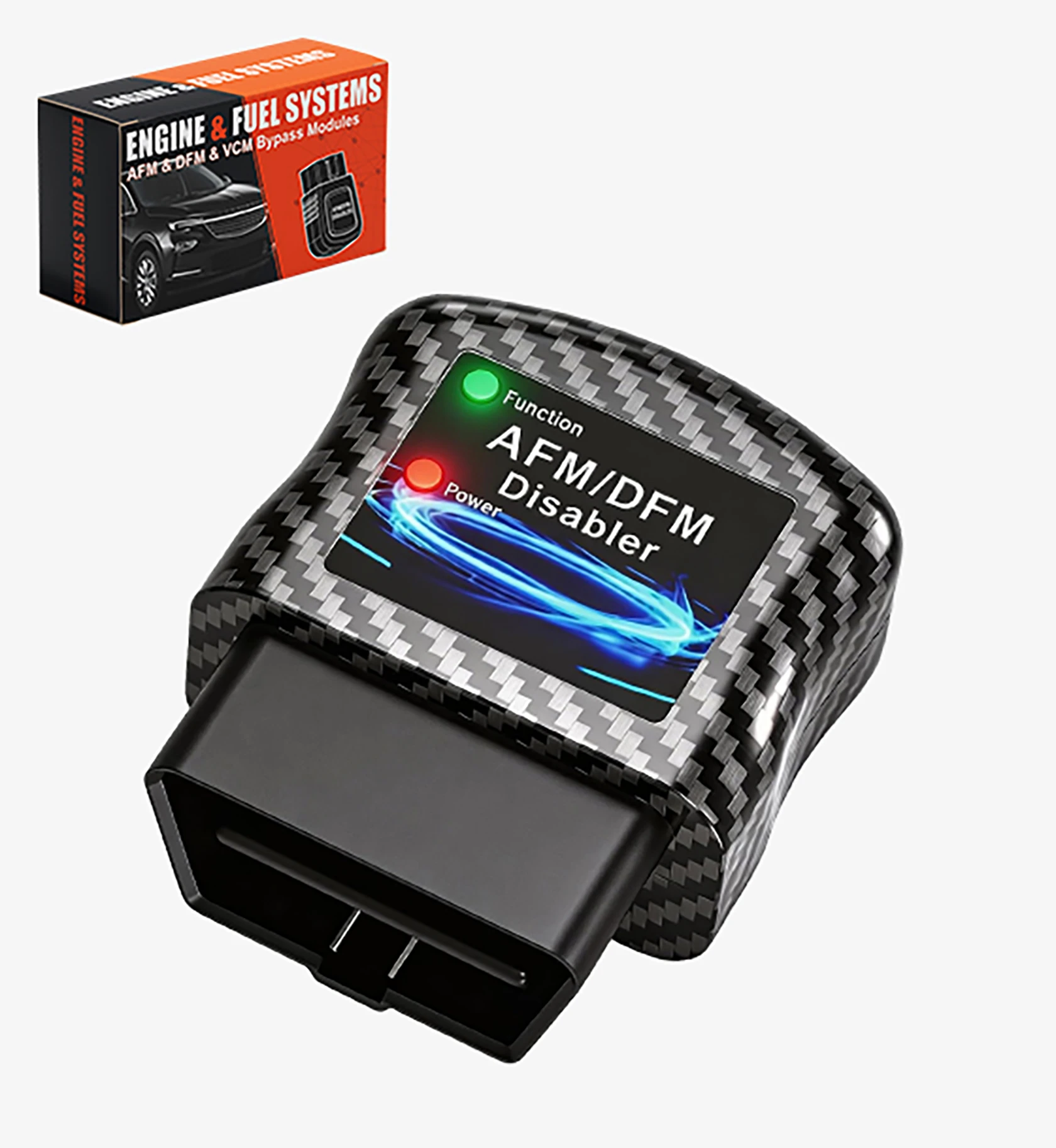 GMC Yukon