Disabler vs Delete vs Tune
AFM Disabler vs DOD Delete vs Tune: Deciding By Ownership, Cost And Reversibility
Three routes take cylinder deactivation out of an engine, and they are not variations of the same job. One blocks the command, one rewrites the software, one removes the metal. The expensive question is not which works — all three do something real — but how long you keep the truck, whether the engine is already open, and how much you would rather be able to undo. That is what this comparison settles.
01 — Three Routes, One Engine
AFM Disabler vs DOD Delete vs Tune: What Each One Actually Touches
Strip away the marketing and each route is a single mechanical fact. Everything that follows — cost, permanence, what it does to fuel economy, what it does when something else breaks — follows from that one fact.
Disabler
The command never leaves the computer. A plug-in module on the OBD-II port, or a harness in a sensor circuit on Hondas, tells the ECU that deactivation is not available. The hardware stays in the engine; unplug it and the factory behaviour returns the same minute.
About $20–$280 depending on brand and fitmentTune
The software stops asking. The calibration is rewritten so the deactivation strategy is gone, and the engine never enters it. Nothing is removed, but the change lives in a file — and that file has to survive every future reflash and any replacement of the control module itself.
Tuner hardware, software and a tune feeDOD delete
The parts are gone. The collapsing lifters and their cam come out, standard parts go in, and the oil manifold in the valley is blocked or replaced. A GM delete kit even carries a California Air Resources Board executive order, D-752-8. Putting the factory system back is a second engine job.
Parts plus roughly $3,000–$7,500+ in labor02 — The Ownership Horizon
How Long You Keep The Truck Decides More Than The Price Tag
The same $6,000 is a rounding error on a fifteen-year ownership and a bad trade on a three-year one. Prices below are the ranges owners actually meet, shown as one-time cost and as cost per year across the two horizons people argue about.
| Your situation | What the arithmetic says | The route that fits |
|---|---|---|
| Sell or trade within three years | You absorb the full cost and none of the benefit. A delete can never be re-hidden before a sale; a tune can be returned to stock if the original file still exists. | Disabler, or leave the truck alone |
| Keep it five years, healthy engine | The repair you are preventing is real but not yet due. One low-cost reversible step covers the period without committing to anything. | Disabler |
| Keep it ten years or more, healthy engine | The expected lifter repair runs $1,500–$3,500 independent, $2,500–$5,000 at a dealer, and $4,000–$7,500+ once a cam lobe is worn. A one-time reversible cost beats that arithmetic comfortably. | Disabler first; delete only when the engine is already open |
| Engine already open for lifter or cam work | The teardown labour is already paid. Deleting while the engine is apart costs far less than a second job later — this is the one situation where the expensive route is the cheap one. | DOD delete, with the matching tune |
| Symptoms already present | A tick, a P0300-family code or oil burning above a quart per 2,000 miles is a repair, not a preference. No disabler, tune or delete fixes metal that is already damaged. | Repair first, then decide about prevention |
03 — Order Of Work
When To Do It: Sequencing Around Everything Else The Truck Needs
The route you choose matters less than the moment you choose it. Work done in the wrong order means paying twice or losing the benefit entirely, so these are the windows worth planning around.
04 — Where The Routes Misbehave
A Scenario Matrix: What Each Route Does When Something Else Goes Wrong
Every comparison of three options is easy when nothing else breaks. The useful version is the table below: the same six situations that show up in owners' garages, and the honest outcome under each route.
| Situation | With a disabler | With a tune | After a delete |
|---|---|---|---|
| One sensor dies at 90,000 miles | Fault light stays on. The module prevents deactivation; it does not hide a failed sensor. | Fault light stays on, and the sensor still has to be replaced and re-taught. | Nothing to fail — but also no pressure reading, because the sensors are no longer in the wheels. |
| Tire service, rotation or a wheel swap | Normal job. Sensors stay in the wheels and the truck learns their new positions as it always does. | Normal job, though GM trucks with a stationary relearn may want the learn performed again. | Simpler than stock: no sensor to break on the mounting machine, and no relearn to pay for. |
| Control module replaced | Unplug, plug into the new port, carry on. Nothing was ever written to the ECU. | The factory calibration comes back on the new module and the deactivation strategy returns with it. | Unchanged — the hardware is gone either way, which is the point of a delete. |
| Engine oil goes in the wrong way | Consumption keeps climbing, because the lifter problem underneath was never fixed. | Same. A tune changes strategy, not hardware. | Cannot happen through the deactivation lifters, because they are no longer there. Ring and PCV consumption still can. |
| Dealer visit for warranty work | Unplug before the work. It leaves no trace in the ECU once removed. | Visible in the calibration, and a dealer will treat an aftermarket tune as a reason to decline the claim. | Visible immediately in the valvetrain. It is a permanent, inspectable change to the engine. |
| Crash or frame repair | Reconnect or replace a $80 module. Nothing else is affected. | Ask the tuner to reflash after any module replacement, and budget for the fee again. | Fine, mechanically — a deleted valvetrain is no more exposed to a crash than a stock one. |
05 — The Route You Can Undo
AFM And DFM Disablers By Vehicle: Reversible, No Reflash, No Engine Work
If the deciding factor was reversibility, this is that route. Every module below is matched to a year, model and engine: GM trucks and crossovers use an OBD-II plug-in unit, Hondas and Acuras use an inline harness in the ECT1 coolant-temperature circuit. Nothing is written to the ECU, and unplugging restores the factory behaviour immediately.
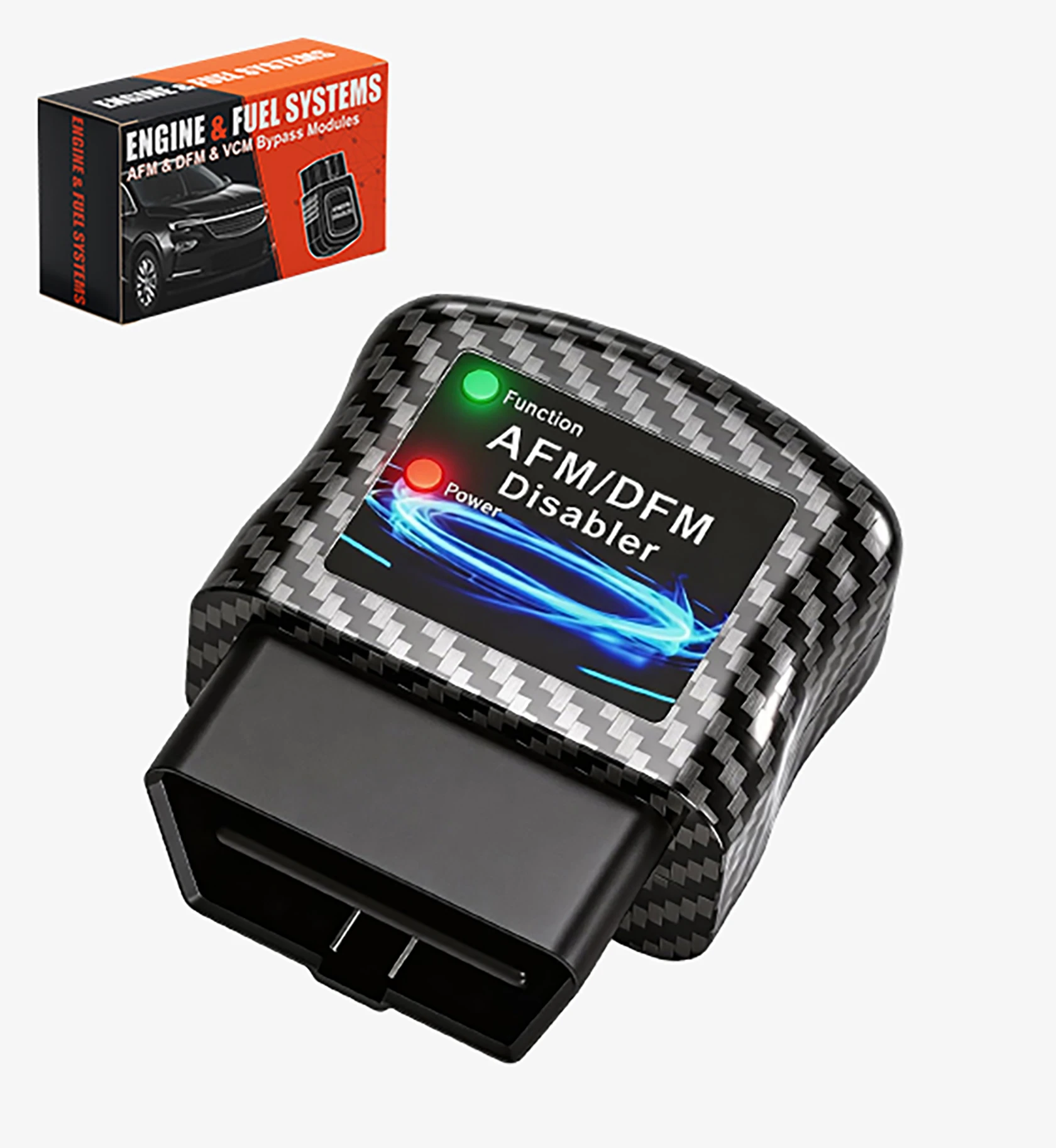 2007–2018 Chevrolet Suburban
AFM/DFM Disabler · OBD-II
$79.99
4.3L V6 · 5.3L / 6.0L / 6.2L V8
2007–2018 Chevrolet Suburban
AFM/DFM Disabler · OBD-II
$79.99
4.3L V6 · 5.3L / 6.0L / 6.2L V8
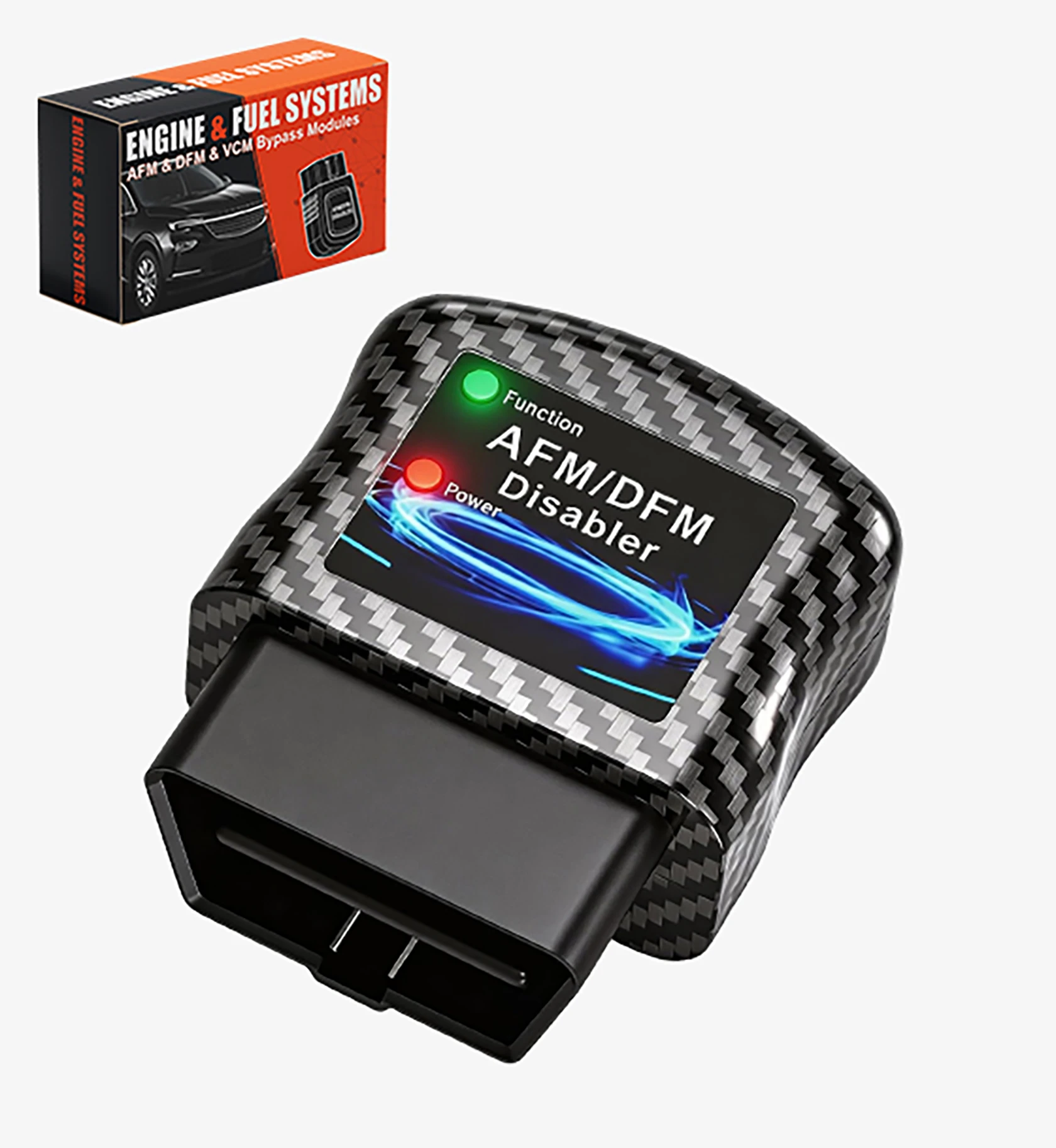 2007–2018 GMC Yukon
AFM/DFM Disabler · OBD-II
$79.99
5.3L / 6.0L / 6.2L V8 · not XL or Denali
2007–2018 GMC Yukon
AFM/DFM Disabler · OBD-II
$79.99
5.3L / 6.0L / 6.2L V8 · not XL or Denali
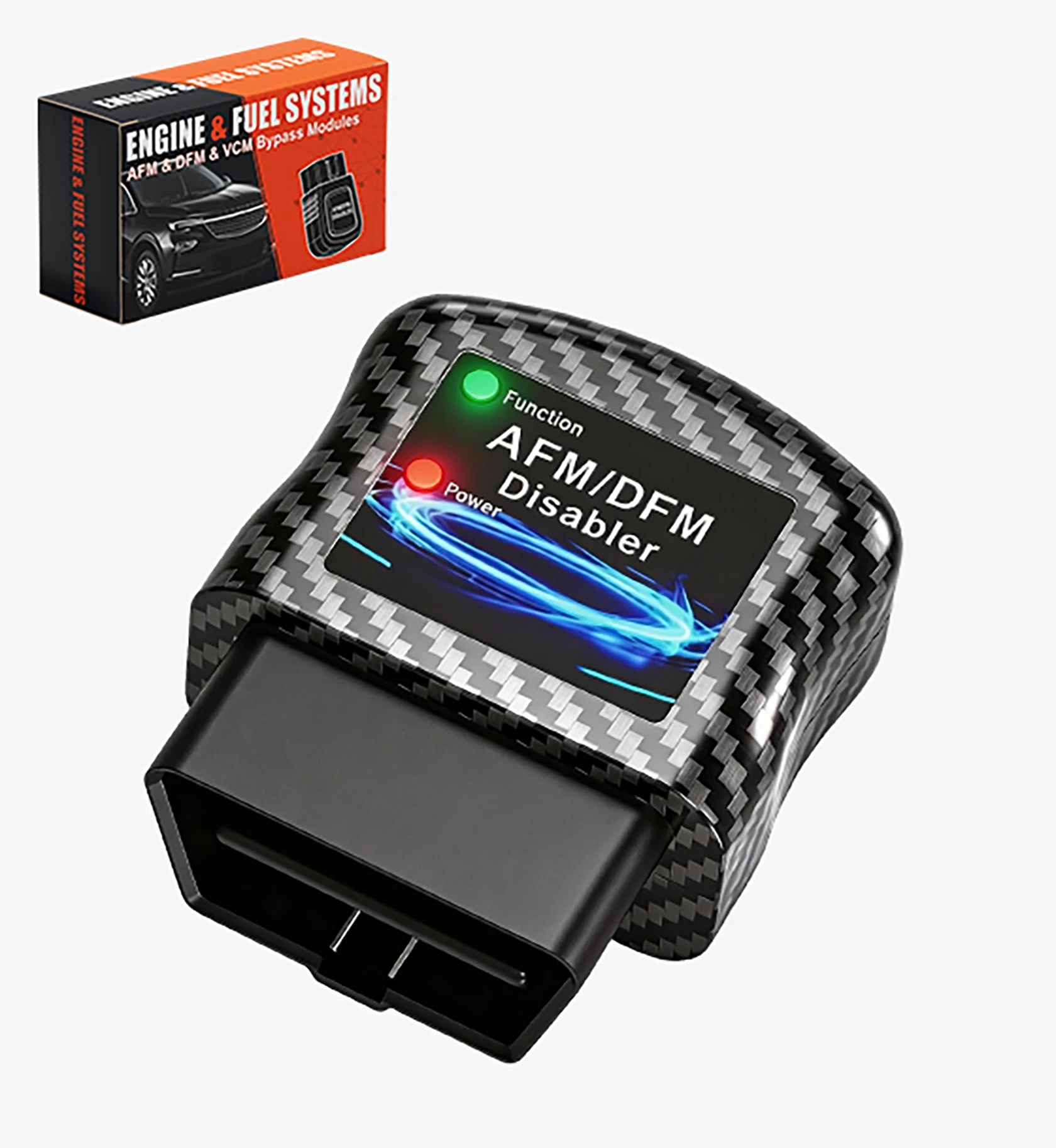 2010–2018 Chevrolet Camaro
AFM/DFM Disabler · OBD-II
$79.99
6.2L V8 · 3.6L V6 (2016–18)
2010–2018 Chevrolet Camaro
AFM/DFM Disabler · OBD-II
$79.99
6.2L V8 · 3.6L V6 (2016–18)
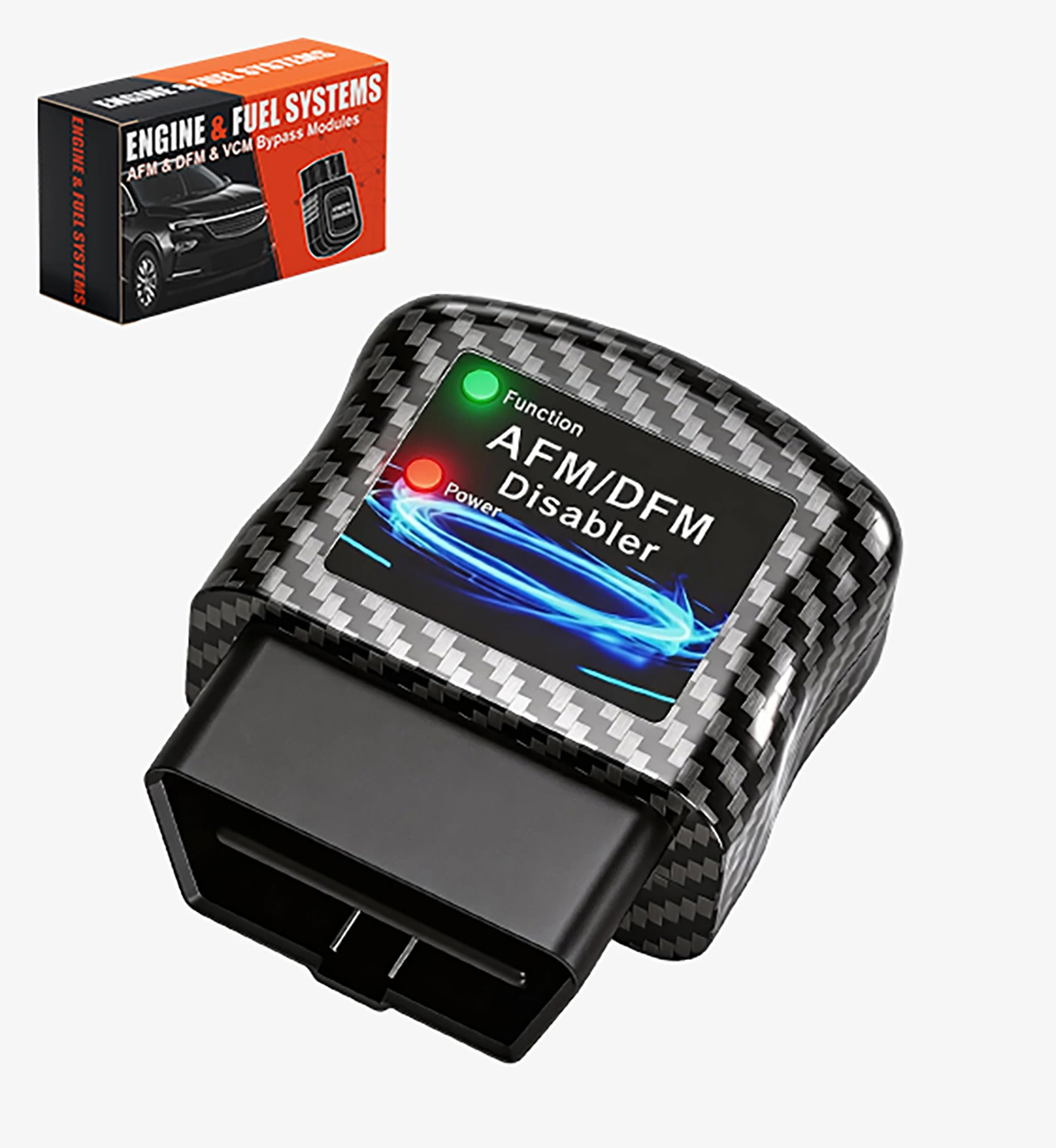 2004–2018 Cadillac CTS
AFM/DFM Disabler · OBD-II
$79.99
3.6L V6 · 6.0L / 6.2L V8
2004–2018 Cadillac CTS
AFM/DFM Disabler · OBD-II
$79.99
3.6L V6 · 6.0L / 6.2L V8
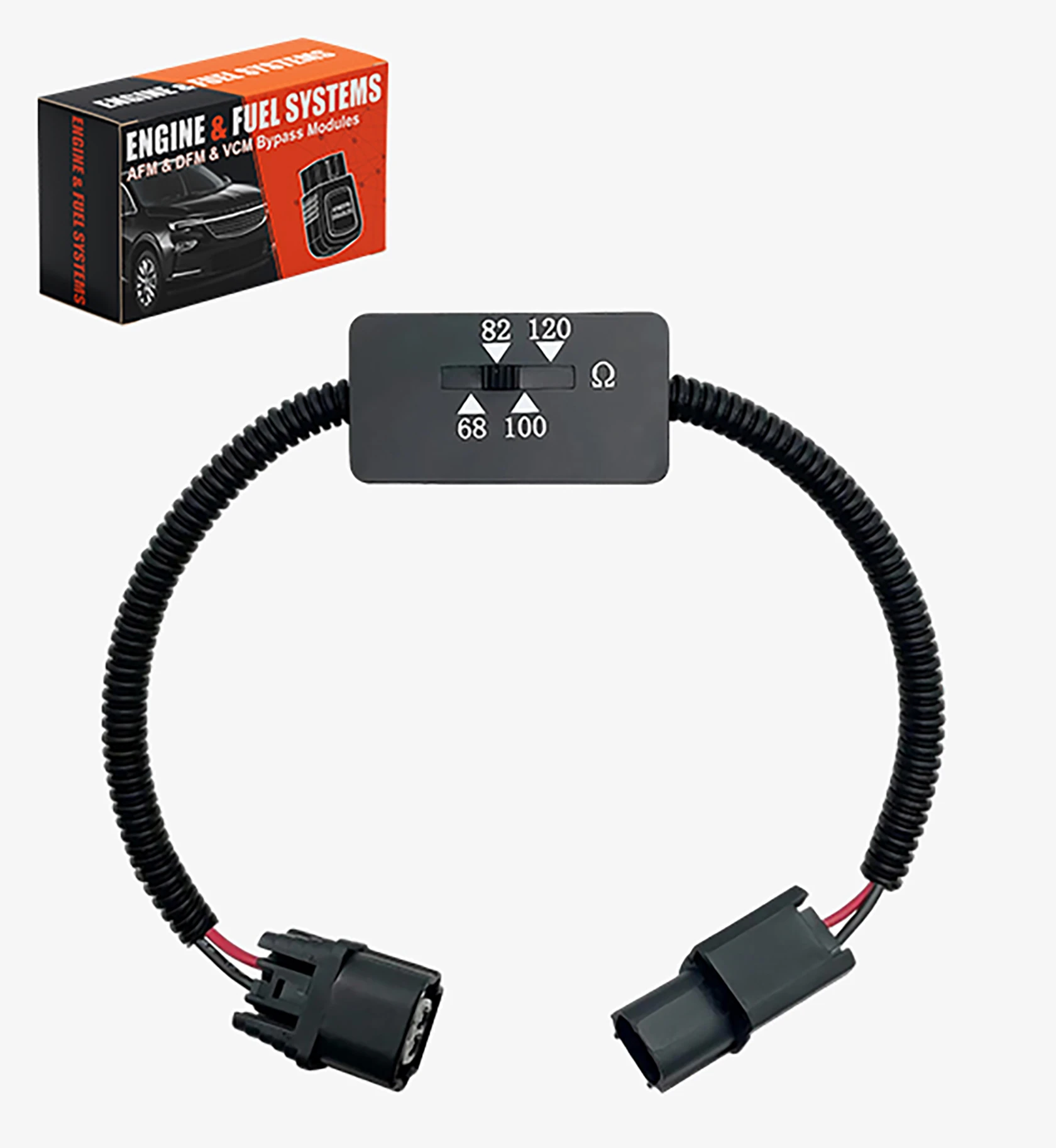 2008–2017 Honda Accord V6
VCM Disabler Harness · ECT1
$79.99
3.5L V6 · set the selector, 82Ω start point
2008–2017 Honda Accord V6
VCM Disabler Harness · ECT1
$79.99
3.5L V6 · set the selector, 82Ω start point
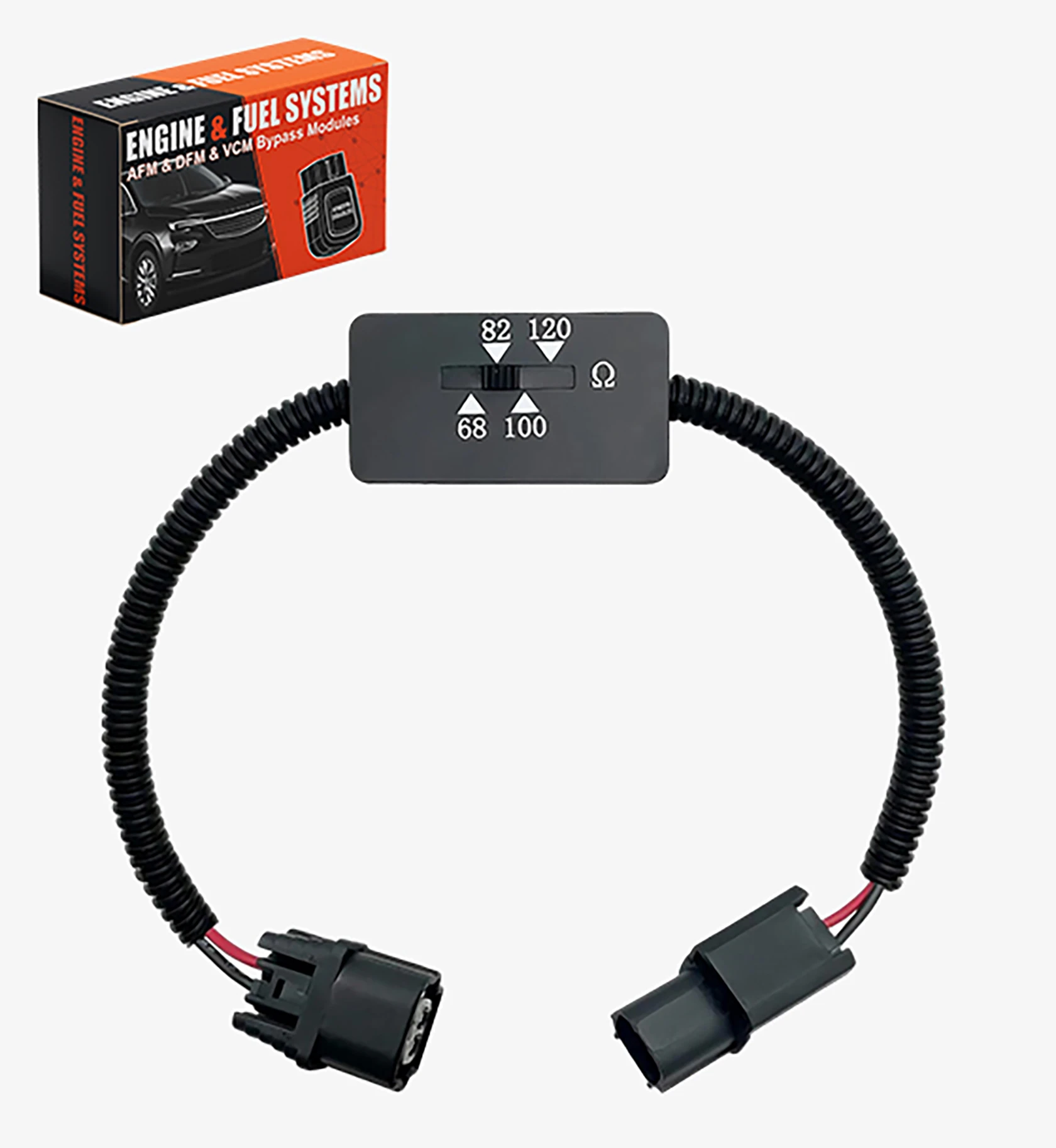 2014–2026 Acura MDX 3.5L
VCM Disabler Harness · ECT1
$79.99
Non-hybrid and non-Type S · confirm year
2014–2026 Acura MDX 3.5L
VCM Disabler Harness · ECT1
$79.99
Non-hybrid and non-Type S · confirm year
Your vehicle not here? The full AFM, DFM & VCM disabler catalog covers Chevrolet, GMC, Cadillac, Buick, Pontiac, Saturn and Honda applications, and the vehicle compatibility guide shows how to confirm year, trim and engine. If your question is whether a module is worth buying at all, AFM Disabler Problems covers the failures people blame on it.
06 — What Each Plan Leaves Behind
Reversibility, Fuel Economy And The Bill That Arrives Later
The first invoice is the easy half. What matters is what each route looks like in year three — to a dealer, to a buyer, to your own fuel bill, and to the engine you paid to protect.
| Question | Disabler | Tune | Delete |
|---|---|---|---|
| Can you undo it? | Unplug it. Seconds, no cost, no trace. | Reflash the original file — if you still have it. Save it before anything else happens to the truck. | Not economically. Restoring means buying the lifters and cam again and reopening the engine. |
| What does fuel economy do? | Slightly worse at steady light throttle, where deactivation earns its keep. Under load or in town the difference is small to unnoticeable. | Identical to a disabler, for the same reason: the strategy that saved fuel is gone. | Same, permanently. Nothing brings the parked-cylinder mode back. |
| What does a dealer see? | Nothing, once it is unplugged. | An aftermarket calibration, which most dealers treat as grounds to decline a related claim. | Factory lifters, cam and valley manifold that are not factory. Obvious on a teardown. |
| What does the next owner see? | Nothing, unless you mention it. | Only if the ECU is reflashed to stock or a scan shows the calibration history. | Immediately — a modified valvetrain is a documented, permanent change, and worth disclosing. |
| What if the truck is totaled? | The module is a $80 line in an insurance claim. | The tune fee is gone with the truck; nothing to argue about. | The engine work is gone with the truck. This is the one argument that makes a delete look cheap. |
07 — Who Each Route Fits
Matching The Route To The Way You Actually Use The Truck
Ownership length is half the answer. The other half is what the truck does for a living, because that changes which failure you are protecting against and which inconvenience you can live with.
The disabler fits
You want the lifter risk gone, you want to be able to sell the truck without a conversation, and you do not want an engine teardown you did not need yet. A plug-in module or an ECT1 harness covers the whole ownership period for the price of one part.
The disabler fits, and the oil schedule matters more
Loaded engine hours are the hardest miles on collapsing lifters, and a disabler keeps deactivation out of the picture entirely. Change the oil on the schedule and check the level at every fill — a deleted engine would protect the same lifters, at a cost that does not make sense on a working truck you may replace in five years.
The disabler or the emulator fits
Wheels without sensors are the single most common reason owners end up here, and a fault light for a wheel that was never equipped is not a fault worth paying to diagnose. An emulator module covers the positions electronically; a disabler covers the strategy. Neither invents pressure readings for wheels that have none.
The delete fits
Once the engine is open and the teardown labour is already being paid, deleting it is the cheapest moment it will ever be. Pair it with the matching tune, disclose it to the next owner, and the deactivation hardware is simply no longer part of the vehicle's future.
08 — Straight Questions
Disabler, Delete Or Tune: The Questions Owners Actually Ask
Are AFM disablers worth it?
On a healthy engine you plan to keep for years, yes — the arithmetic is one $80 part against a lifter repair that runs $1,500–$3,500 independent and $2,500–$5,000 at a dealer. They are not worth it on an engine that already ticks, misfires or burns oil, because no module repairs metal, and they are not worth it if you plan to sell within a year or two. What they are not is a fix: they remove deactivation from the equation so the collapsing lifters stop being asked to do the job.
Does disabling AFM actually prevent lifter failure?
It prevents the cause, which is the repeated collapse-and-return cycle of oil pressure lifting and dropping those special lifters. If the engine is healthy today, taking deactivation out means those lifters never cycle. If a lifter has already collapsed or the lobe is worn, nothing you plug in, flash or remove will bring it back — that is a teardown. Check the oil level first either way: low oil pressure is the condition that does the damage fastest.
Can I disable AFM without a tune?
That is exactly what a disabler does. It holds the computer out of deactivation through the OBD-II port on GM vehicles, or through an inline harness in the ECT1 temperature sensor circuit on Hondas and Acuras. No calibration is rewritten, nothing is flashed, and pulling the plug returns the factory behaviour immediately — which is also the honest answer to why a cheap $30 reader menu never will.
How do you disable AFM with HP Tuners?
Through the calibration rather than a module: in HP Tuners the switch sits under Engine, then Fuel, then DOD, where Disable stops the deactivation commands from ever being issued. Expect to pay for the tuner, the licence and the tune itself, and expect the change to be visible in software forever unless you reflash the original file. Keep that file — a control-module replacement, or any reflash by someone else, brings the factory strategy back with it.
Can I just disable AFM if I am doing a mechanical delete?
No, and this trips people up. Once the deactivation lifters and cam are out, the computer is still expecting cylinders that will never fire again, and a disabler only prevents the command — it does not tell the ECU the hardware is different. A deleted engine needs the matching tune, and skipping it is how owners end up with endless P0300-family misfire codes on a mechanically perfect engine.
What does a DOD delete actually remove?
The deactivation lifters and their cam, the oil feed to the valley manifold that pressurized them, and the factory intake/exhaust pieces that let the parked cylinders breathe — replaced or blocked off, with standard valvetrain parts in their place. GM delete kits are sold with a California Air Resources Board executive order, D-752-8. The work is a full engine job, which is why its price tag is engine-job sized.
Will a delete or a tune hurt resale?
A disabler leaves no trace once unplugged. A tune is visible to a scan and most dealers treat it as grounds to decline a related warranty claim, though buyers rarely notice. A delete is visible the moment anyone looks at the valvetrain, and it is the kind of change worth disclosing — a delete also usually lowers what the truck brings in resale, because buyers price permanent engine work as a risk.
Which route is best for a truck that already has a tick?
None of them is a repair. A tick that follows engine RPM means a lifter can no longer hold pressure, and the fix is the valvetrain, possibly the cam, possibly oil first. Do the diagnosis before spending on a module or a tune: the AFM, DFM & VCM guide covers the codes and symptoms, and once the metal is sorted, a disabler is the sensible preventive step for whatever life the engine has left.
09 — Read Next