Honda Vehicle Systems
Honda VCM Disable: What It Does, Why the ECT1 Sensor Is the Switch Point, and Which Model Years Behave Differently
Variable Cylinder Management is Honda's version of shutting cylinders off at cruise — three cylinders on a V6, running on the front bank while the rear bank rests. Unlike GM's system, it isn't controlled by oil pressure and it isn't reached through the OBD port. It's governed through a coolant temperature sensor circuit, and that's why the device that works on a Honda is a harness rather than a module. Here's how the system actually behaves, and what changes across the Odyssey, Pilot, Accord and Ridgeline over more than two decades of production.
01 — The Rear Bank Rests
What Honda VCM Actually Does to a V6 Engine
Honda's system is gentler in design and more intrusive to disable than the GM equivalent, and understanding why is what makes the installation predictable.
Rockers, Not Lifters
GM's system uses oil pressure to collapse special lifters. Honda unlocks the rocker arms so the valves stay closed, which means there's no deactivation lifter to wear and no collapsed-lifter tick. The VCM wear story on a Honda is a different conversation from the one people import from GM trucks.
Three Cylinders, and Sometimes Four
Modern Honda V6s run the front bank of three and rest the rear three. Engines built from roughly 2008 to 2012 also passed through a brief four-cylinder stage between six and three, which is a detail that trips people up when they're comparing notes across model years.
What You Give Up
Disabling VCM costs a small amount of fuel economy in steady, light-throttle driving. Under load, in traffic or while towing, the difference is small to unnoticeable. Most owners weigh that against an engine that runs every cylinder every time, and call it a fair trade.
02 — The Sensor Circuit
Why the ECT1 Sensor Decides Honda VCM, and Why Scanners Can't Do It
This is the part that surprises people, and it's why a Honda owner asking for a disabler ends up buying a harness instead. Honda's engine computer decides when to rest cylinders by reading a coolant temperature sensor — not from the OBD port, and not from a lifters-and-oil-pressure logic like GM uses.
03 — Which Hondas
Honda VCM by Model: Odyssey, Pilot, Accord, Ridgeline and Acura
Honda fitted VCM to its 3.5L V6 broadly, and Honda's nameplates are long-lived. Fitment usually runs a wide year range because the system itself didn't change, but the model-year differences that matter are about the connector and the dashboard, not the engine. A Honda Pilot VCM disable and a Honda Odyssey VCM disable are the two questions that cover almost every one of these vehicles.
| Model | Typical years with VCM | What differs across the range |
|---|---|---|
| Honda Odyssey | 2005 onward, with VCM standard on more trims after the 2011 redesign | Earlier Odysseys weren't all equipped, so confirm the vehicle has VCM before ordering. 2005–2006 need a connector modification; 2007 and newer are straight plug-and-play. 2018-and-newer dashboards don't use the ECON light to show VCM activity. |
| Honda Pilot | 2009 onward | Documented VCM the whole way, from the 2009 launch. A 2011 Honda Pilot VCM disable, a 2012 Honda Pilot VCM disable, a 2013 Honda Pilot VCM disable and a 2014 Honda Pilot VCM disable are all the same harness — as is a 2025 Honda Pilot VCM disable. The 2016–2022 Pilot has no ECO light tied to VCM, so there's no dash proof of activity — and the 2023-and-newer engine doesn't respond to the older ECT1 threshold the same way, so treat a 2025 Honda Pilot VCM disable as verify-before-you-drive. |
| Honda Accord | 2008–2017, V6 only | The V6 generation that carried VCM. Four-cylinder Accords never had it, so the engine decides before the year does. |
| Honda Ridgeline VCM disable | 2007 onward | The V6 truck in Honda's line, and a long production run. A 2025 Honda Ridgeline VCM disable sits in the same range as the 2007 model. Confirm the engine on early builds, as Honda changed V6 suppliers across the generation. |
| Acura RDX | 2013–2018 | Same 3.5L family, listed separately because fitment is published by model. |
| Acura MDX | 2014–2020 and 2022–2026, non-hybrid | The hybrid and the later Type S are excluded from the listing. The wide gap in the range is a platform change, not an omission. |
| Acura TLX | 2015–2020, 3.5L V6 | Four-cylinder TLX never carried VCM. |
| Acura RLX | 2014–2020, 3.5L non-hybrid | Short run, and the hybrid is a different powertrain. |
04 — The Installation
Fitting a Honda VCM Disabler Harness, Step by Step
The install is genuinely simple, and the reasons it goes wrong are all about preparation rather than mechanics. Do these in order and it's a ten-minute job on most Hondas.
05 — Safety And Wear
Is Disabling VCM Safe, and What About Fuel Economy?
The question comes up because people import the GM lifter story onto Hondas, where it doesn't apply. The honest answer separates three things: what changes mechanically, what changes economically, and what doesn't change at all.
| Question | Answer | Why |
|---|---|---|
| Does it hurt the engine? | No, and the reason is mechanical | Honda rests cylinders by unlocking rockers, not by collapsing lifters. There's no deactivation lifter to wear out, so the usual GM damage story doesn't exist on these engines. |
| What does it cost in fuel economy? | A little, in exactly the driving where VCM earns its keep | Steady, light-throttle cruising is where the system would have been running three cylinders. Under load or in traffic the difference is small to unnoticeable. |
| Does it write anything to the ECU? | No | The harness changes a signal the computer reads. It doesn't reflash a calibration, and there's no trace in the ECU to reverse. |
| Is it reversible? | Completely | Reconnect the factory connector and the vehicle is back to stock. This matters at resale, and on a lease. |
| Will it fix a rattle I already hear? | No | An existing mechanical noise is a mechanical problem. Prevention and repair are different jobs, and a harness does the first. |
06 — Model-Year Traps
The Four Honda Model-Year Traps Worth Knowing Before You Order
Honda's VCM fitments are wide, which makes four specific details easy to get wrong. All four have the same shape: a part that fits the vehicle and still doesn't do what you expected.
Connector Modification Required
The earliest Odysseys in the VCM fitment run use a different connector arrangement and need the male-connector modification before the harness will seat. 2007 and newer are straight plug-and-play. This is the single most common "it doesn't fit" on the Odyssey, and it's a five-minute modification rather than a wrong part.
No ECO Light to Check
The Pilot has documented VCM the whole way, but the 2016–2022 generation doesn't use the ECO light to show it. Owners install a harness, watch for the ECO light, see nothing, and assume it failed. The steadier engine at cruise is the real verification.
The Engine Responds Differently
The 2023-and-newer J-series engine no longer responds to the older ECT1 temperature threshold the way earlier engines do, so treat those years as verify-before-you-drive. The fitment is published wide; the behavior is the thing to confirm on your own vehicle.
Dashboard Doesn't Show It
Later Odysseys don't use the ECON light to display VCM activity either. Same conclusion as the Pilot: the dash is not a reliable verification on these years, and the engine's behavior is.
07 — Honda Start-Stop
Auto Start-Stop on Honda Trucks and Crossovers
Honda's auto start-stop is a separate system with a separate failure story, and on Hondas it shares nothing with VCM except the word "stops." Owners who disable one and expect the other to change are usually disappointed exactly once.
The start-stop catalog covers the full Honda list above. If the vehicle has both VCM and start-stop, those are two purchases against two separate fitment lists, and neither one affects the other. The system itself is covered in the auto start-stop guide.
08 — Honda Tire Pressure
Honda TPMS Sensors and the Tire Pressure Light: What We Can and Cannot Help With
A TPMS sensor on a Honda is a sealed module with a coin cell, and a Honda TPMS sensor light after a tyre service is usually a relearn rather than a failure. A TPMS sensor reset Honda owners describe is the free procedure, not a workshop job. Honda generates more tire pressure traffic than any other badge we sell against, and almost all of it is answered better in one place than here. The system itself is documented properly in the TPMS guide, and we don't stock Honda tire sensors.
The Light Is Often a Tire Change
A TPMS sensor Honda owners ask about most is the one that just came off the wheel, and a new sensor rarely needs replacing. A tire pressure light after a tire change is frequently a relearn rather than a fault: set the vehicle, add pressure to all four, and drive the distance the system needs. How to reset a TPMS on a Honda is that procedure, and it's written out in our TPMS guide along with what a flashing light means versus a steady one.
Sensor and Emulator Coverage
We don't stock Honda TPMS sensors or emulators, and we'd rather say that plainly than list a part we can't stand behind. For Honda tire sensors, the honest answer is a dealer or a specialist TPMS supplier, and the guide linked above tells you what to ask them for.
09 — Acura Too
Acura Fitment: Same Engine, Separate Listing
A 3.5L Acura and a 3.5L Honda are the same engine family, which is exactly why people order the Honda harness for the Acura. The fitment is published by model, and the exclusions are real.
| Acura model | Listed years | Exclusions worth reading |
|---|---|---|
| MDX | 2014–2020 and 2022–2026 | Non-hybrid only. The hybrid is a different powertrain, and the gap between the two ranges is a platform change rather than a missing year. |
| RDX | 2013–2018 | Third-generation only. Earlier and later RDX applications aren't in this range. |
| TLX | 2015–2020 | 3.5L V6 only — the four-cylinder never carried VCM, so check the engine rather than the year. |
| RLX | 2014–2020 | 3.5L non-hybrid. A short production run with a narrow fitment. |
10 — Before You Order
How to Confirm a Honda VCM Fitment in Ten Minutes
Honda nameplates run for a very long time, and the same nameplate covers a redesign. Four checks resolve almost every wrong-order case on Hondas.
11 — Where To Start
Which Honda Problem You Have, in One Table
Honda traffic divides cleanly into four questions, and three of them have a different answer depending on whether the vehicle is a V6, a four-cylinder, or a hybrid.
| Symptom | Likely cause | First step | Where the answer lives |
|---|---|---|---|
| Rear bank resting at cruise and you don't want it | VCM working as designed | Confirm the engine is a 3.5L V6, then decide between harness, nothing and a tune | Sections 02 and 05, and the VCM disabler catalog |
| Installed a harness, no ECO light changed | Normal on 2016–2022 Pilots and 2018+ Odysseys | Judge the engine at cruise instead; the dashboard was never a reliable check on those years | Connector generation and the dashboard |
| Harness fitted, nothing changes at all | Wrong sensor, or the wrong vehicle in the range | Confirm ECT1 is the sensor, confirm the vehicle has VCM, and check the connector generation | Sections 04 and 10 |
| Engine stops at every light | Honda auto start-stop | Decide whether you want it gone, then match the model year | The start-stop catalog for the fitment |
| Tire pressure light after a tire change | Most often a relearn, not a fault | Run the reset procedure before buying anything | The TPMS guide for the full procedure |
12 — Matched Honda Modules
Honda VCM Disabler Harnesses and Auto Start-Stop Modules
Six Honda and Acura units, each listed to a model and a year range. Find your vehicle below, then confirm the fitment line on the product page — the wide ranges on this brand have specific exclusions, listed next to each part.
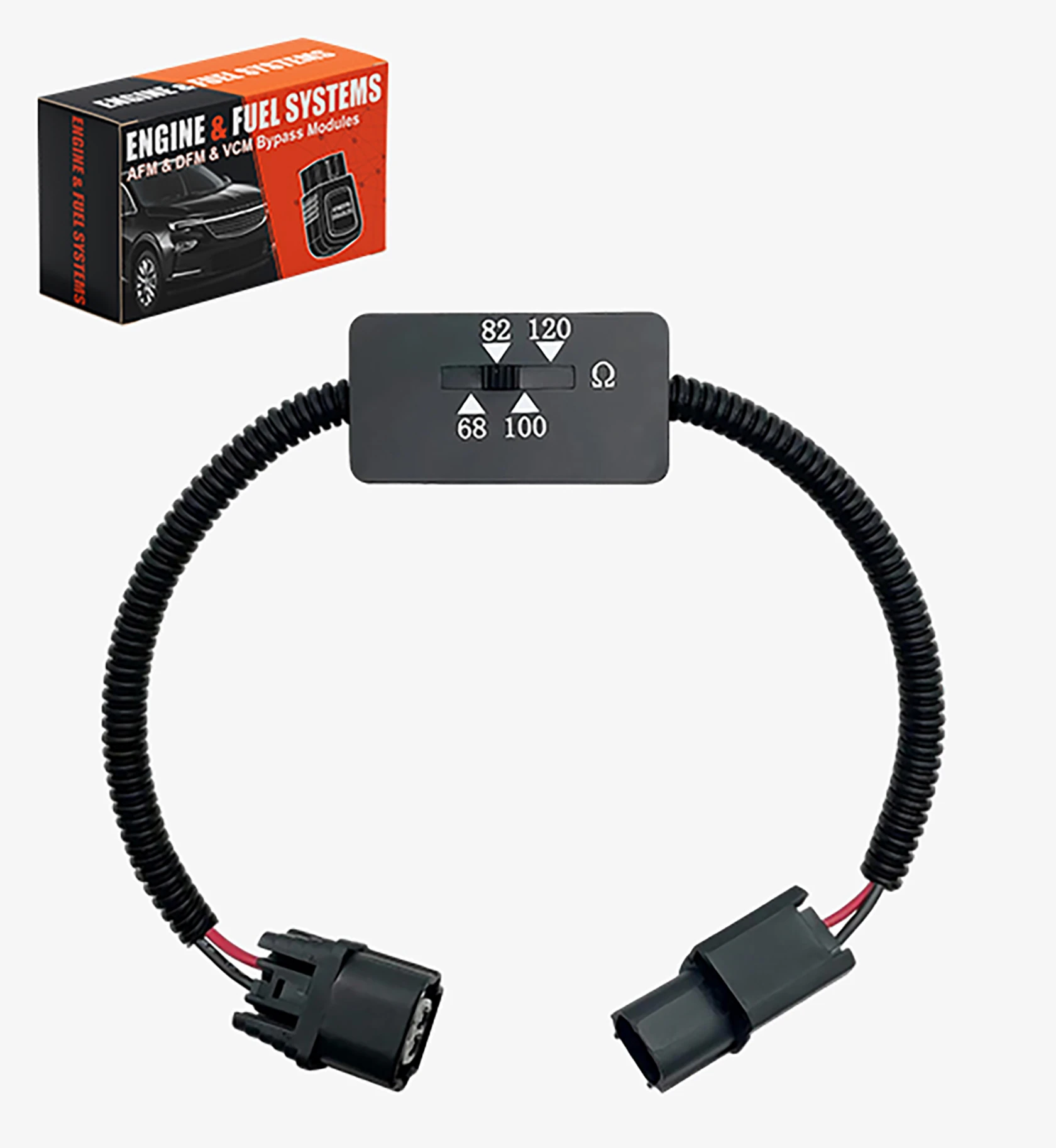 2005–2026 Honda Odyssey
VCM Disabler Harness · ECT1
$79.99
3.5L V6 · 2005–06 need connector modification
2005–2026 Honda Odyssey
VCM Disabler Harness · ECT1
$79.99
3.5L V6 · 2005–06 need connector modification
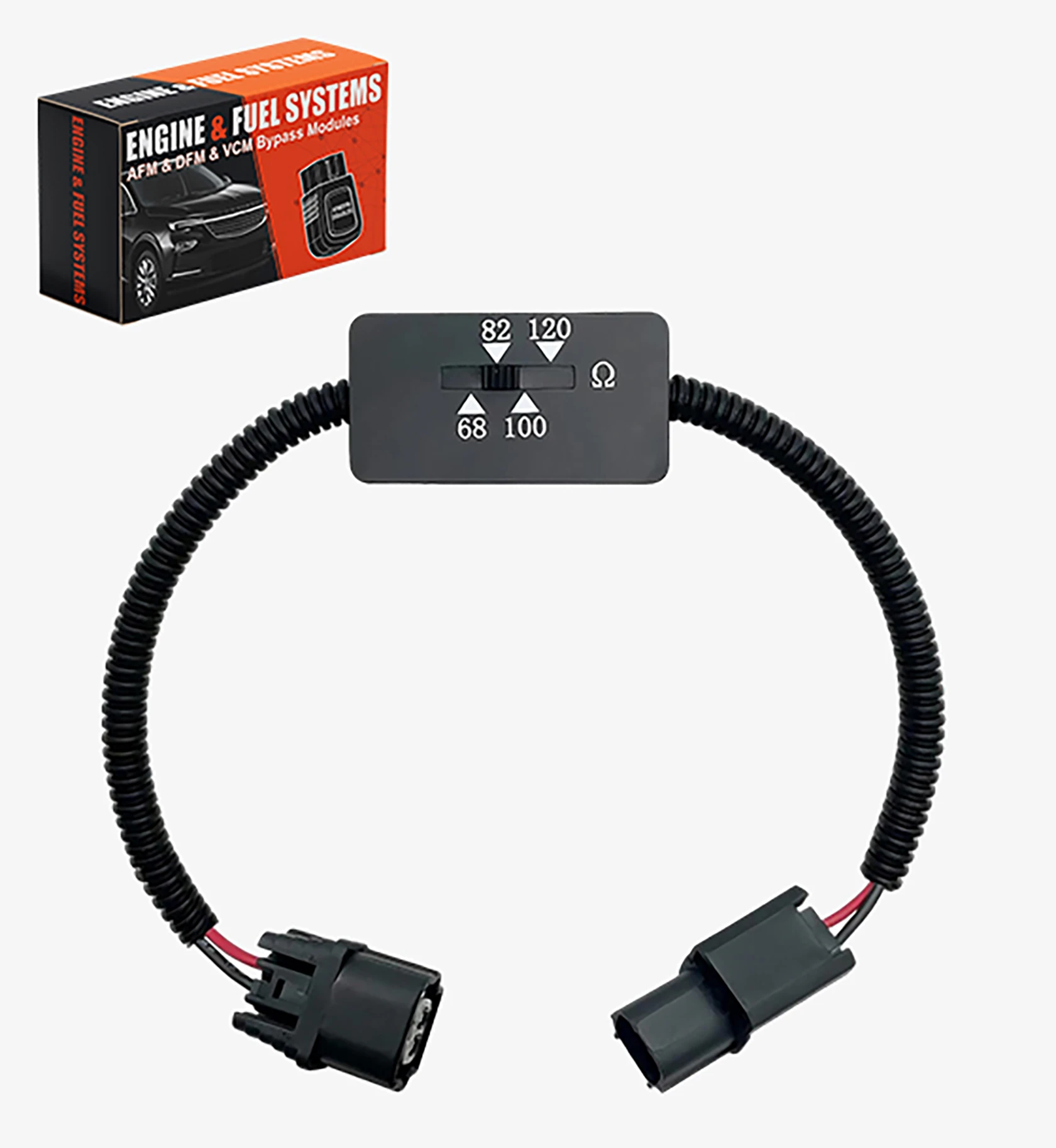 2009–2026 Honda Pilot
VCM Disabler Harness · ECT1
$79.99
3.5L V6 · 2023+ verify before relying on it
2009–2026 Honda Pilot
VCM Disabler Harness · ECT1
$79.99
3.5L V6 · 2023+ verify before relying on it
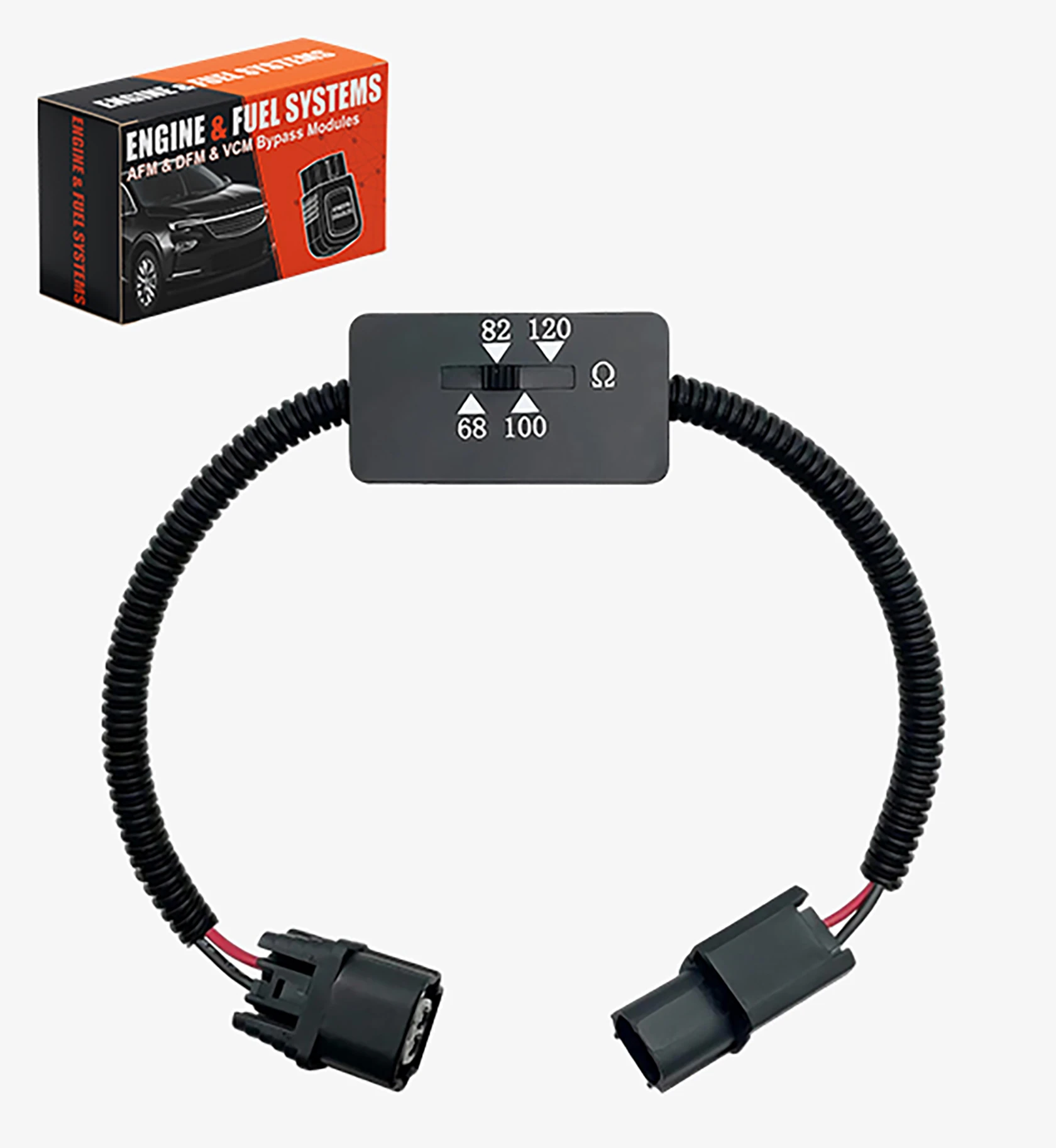 2007–2026 Honda Ridgeline
VCM Disabler Harness · ECT1
$79.99
V6 truck · confirm the engine on early builds
2007–2026 Honda Ridgeline
VCM Disabler Harness · ECT1
$79.99
V6 truck · confirm the engine on early builds
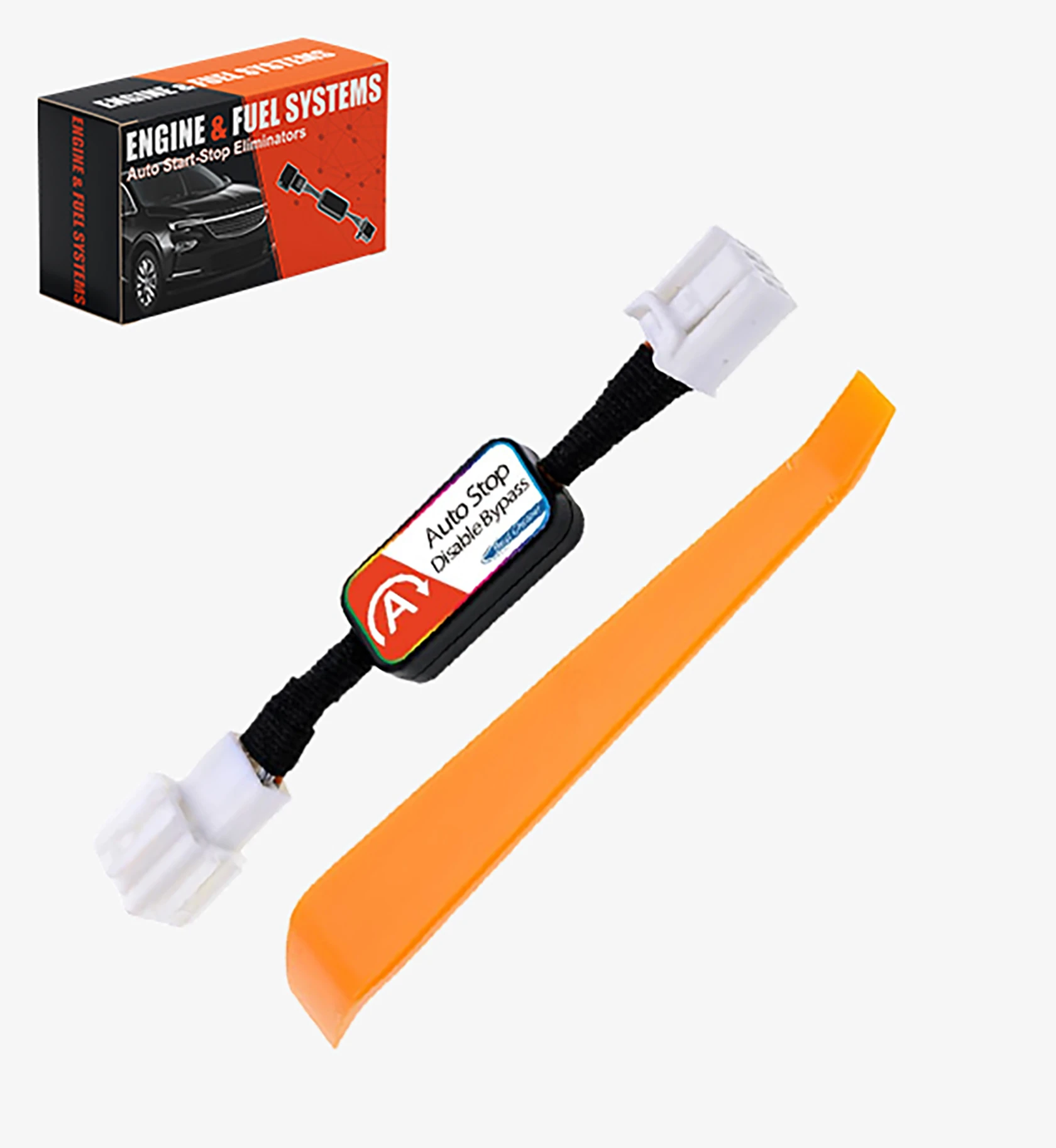 2019–2022 Honda Pilot
Auto Start-Stop Eliminator
$89.49
Plug & play · three-row SUV
2019–2022 Honda Pilot
Auto Start-Stop Eliminator
$89.49
Plug & play · three-row SUV
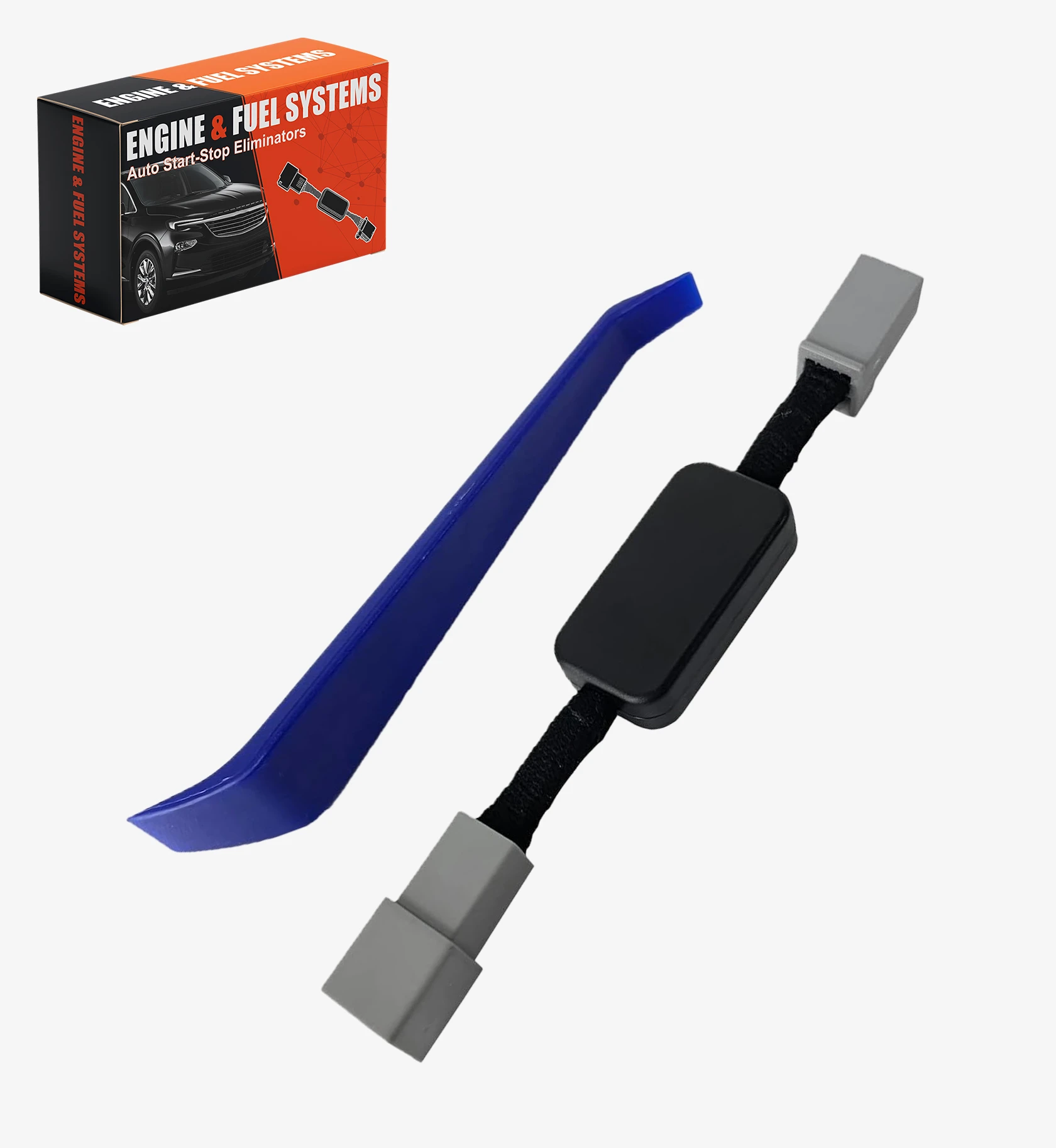 2023–2026 Honda CR-V
Auto Start-Stop Eliminator
$63.99
Plug & play · compact crossover
2023–2026 Honda CR-V
Auto Start-Stop Eliminator
$63.99
Plug & play · compact crossover
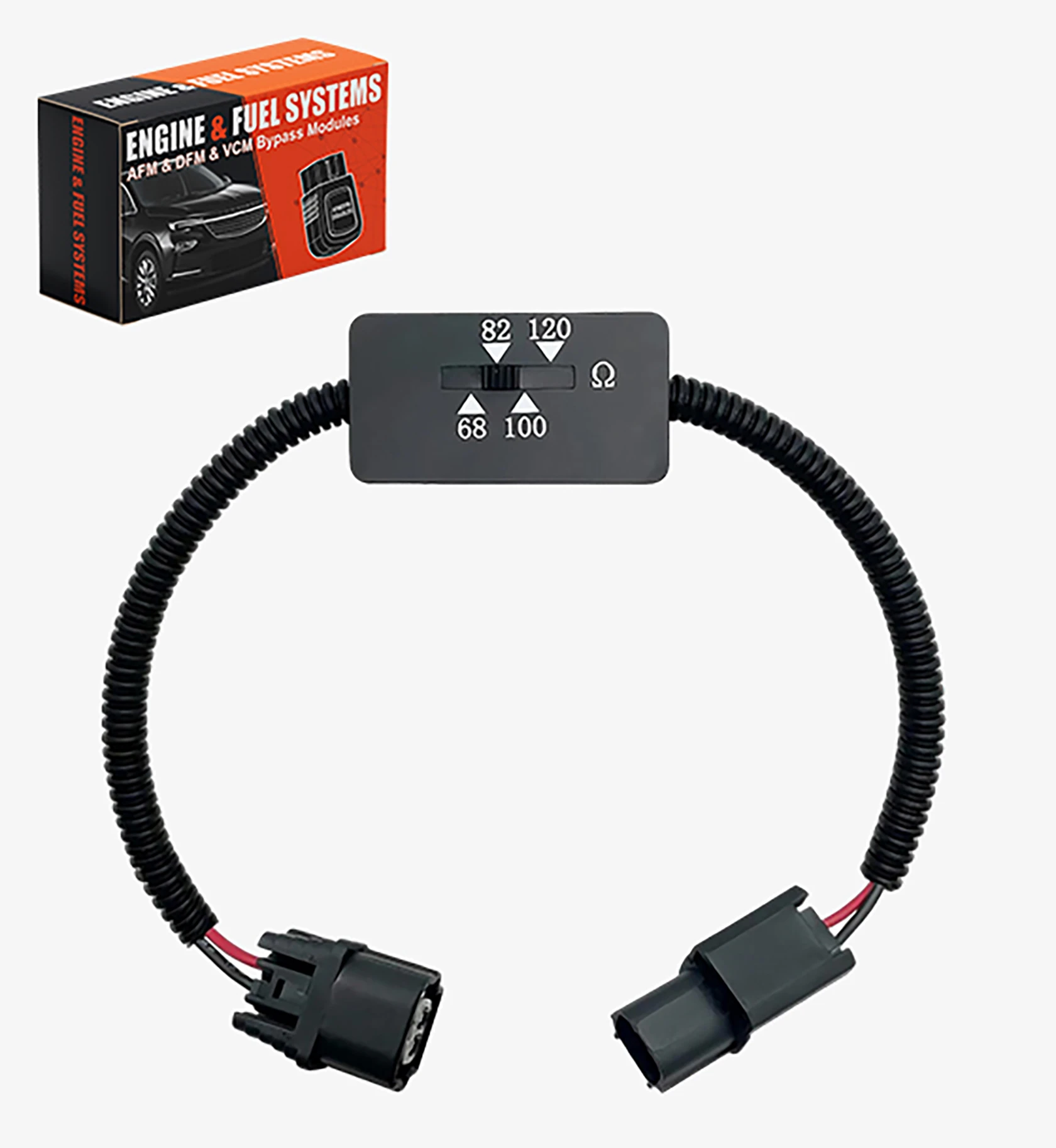 Acura MDX · 2014–2020, 2022–2026
VCM Disabler Harness · ECT1
$79.99
3.5L V6 · non-hybrid, non-Type S
Acura MDX · 2014–2020, 2022–2026
VCM Disabler Harness · ECT1
$79.99
3.5L V6 · non-hybrid, non-Type S
Also in the Honda range: the VCM disabler catalog covers the Accord V6, Ridgeline, RDX, TLX and RLX alongside the Odyssey and Pilot; the start-stop catalog covers the Pilot, Ridgeline, Passport, CR-V, Accord, Civic and Odyssey across their respective year ranges. If your model isn't listed, check the compatibility guide first.
13 — Questions Honda Owners Ask
Honda VCM, Start-Stop and Tire Pressure: Straight Answers
How to disable VCM on a Honda Pilot
With a harness in the ECT1 coolant temperature sensor circuit, not with a scan tool. Engine off, cover off, unplug the factory connector at the ECT1 sensor, click the harness in line, set the resistance selector to the middle position the instructions start at, clear any stored codes, then drive a full warm-up. The 2009-and-newer Pilot range is published, but 2023-and-newer engines respond differently to the older temperature threshold, so verify on your own vehicle rather than trusting the year alone.
Can a scanner turn off VCM on a Honda?
Not reliably, and not on most Hondas. Code readers read and clear codes. Some scan tools with VCM service functions can adjust settings on certain applications, but the route that works across Honda's range is intercepting the ECT1 sensor circuit with a harness. That's also the only version that's fully reversible by unplugging.
Does disabling VCM hurt the engine?
No, and the reason is specific to Honda's design. GM rests cylinders by collapsing oil-pressurized lifters, which is where the wear story comes from. Honda unlocks the rocker arms so the valves never open — there's no deactivation lifter to wear out. What you give up is a small amount of fuel economy in steady light-throttle driving. The GM lifter story doesn't transfer to these engines.
Why didn't the ECO light change after I installed the harness?
Because on some model years that light doesn't track VCM at all. The 2016–2022 Pilot and 2018-and-newer Odyssey don't use it to show VCM activity, so there's nothing on the dash to see. A steadier-feeling engine at steady cruise is the better verification — give it a full warm-up and a real drive before you judge the setting.
How to disable VCM on a Honda Odyssey
Most Odysseys from 2005 onward do, but not universally across trims in the earliest years of that range — VCM wasn't standard on every configuration until the 2011 redesign. If the vehicle predates standard equipment, no harness will do anything. The quick check is whether the vehicle has the ECT1 sensor circuit and whether the engine is a 3.5L V6 at all. On a 2011, 2012, 2013 or 2014 Odyssey the answer is yes, and the same harness disables VCM on every one of them.
Is there a fuse or switch to turn VCM off on a Honda?
Some Hondas have a VCM switch, and where one exists it's a driver preference rather than a guarantee — the computer still has the final say. Interception at the ECT1 sensor is what changes the decision, which is why the harness is the product rather than a switch.
Does the same VCM harness fit my Acura?
Often the engine family is the same, but fitment is published by model and the exclusions are real. The MDX listing is non-hybrid only, the TLX is 3.5L V6 only, the RDX covers one generation. The rule is the same as on the Hondas: check the listing for your model rather than assuming the shared engine means a shared part.
Will disabling VCM fix a rattle on my Honda?
No. A noise that's already audible is a mechanical condition, and a harness prevents a system from operating rather than repairing metal that's already involved. If the noise appeared alongside a VCM question, it's worth having the engine looked at properly before spending on either. The diagnose before buying guide covers the free checks first.
Does the VCM harness affect auto start-stop on a Honda?
No, and the two are unrelated. VCM rests a bank of cylinders while you're driving; auto start-stop shuts the whole engine down at a light. The harness intercepts a temperature sensor signal, and the start-stop modules interface with the start-stop circuit. If you want both changed on the same vehicle, that's two separate purchases against two separate fitment lists.
14 — Related Reading