Troubleshooting Center
Troubleshooting: The Order To Check A Warning Light, A Code Or A Module
A light comes on, a message appears, or the part you fitted changes nothing. Before anyone orders a component, the fault has to be sorted into one of three places: how it was fitted, the component itself, or the vehicle you started with. This page gives you the order to check things in, the wording on the dash that tells you which system is talking, and the point where driveway work should stop.
01 — Before You Touch Anything
Five Things To Write Down Before You Change A Second One
Troubleshooting fails when the original state gets overwritten. Air is added, a code is cleared, a plug is pushed home, a reset is run — and ten minutes later nobody can prove what the car was doing at the start. Five minutes of recording costs nothing and decides how the rest of the job goes.
The message, word for word
Photograph the dash exactly as it reads. The wording decides which system is talking: a tire monitor message and a tire pressure light are two different reports from two different modules.
The moment it happened
Cold start, after a wash, mid-drive, at the fuel station, the morning after a service. The moment the observation appears separates a pattern from a one-off, and it is the first thing anyone will ask you.
What you fitted, and when
A photo of the label on the part, plus the date it went on. The date is what separates a fault that has existed since fitting from one that arrived later, and the label is what settles which variant you have.
What the reader shows
Copy the codes down exactly as they appear, before anything is erased. Whether they were already stored before the part went on is the difference between a fault and a history entry.
What has already been tried
Air added, tyres re-learnt, module unplugged, codes cleared, another phone app connected. Each attempt changes the state of the car, and repeating a fix that already failed wastes more time than the original fault.
02 — Evidence Before Action
Do Not Clear Anything Until You Have Read It
Every step below is free. What they share is a sequence: each one has to happen while the previous state is still intact. Do them out of order and the fault still exists — you have simply made it invisible.
| Order | What you do | What it protects or settles | Cost |
|---|---|---|---|
| 1 | Photograph the message or indicator while it is on the screen | Keeps the original wording. Two lights that look alike belong to different modules, and the phrasing is what tells them apart. | Free |
| 2 | Read the codes and write them down before anything is erased | Clearing first removes the only record of what the vehicle actually reported, including codes that were there before the part arrived. | Free with a reader |
| 3 | Gauge all four tyres, engine off, tyres cold | Separates a pressure event from a system fault. On most vehicles a genuine pressure problem and a monitor fault give different words on the dash. | Free |
| 4 | List what has been attempted since the fault first appeared | Shows which steps are already spent. A relearn that has been run twice is not a fresh test the third time. | Free |
| 5 | Unplug the fitted module and watch the observation | Splits the module's contribution from the vehicle's. The behaviour that stays when the part is out was not created by the part. | Free |
| 6 | Work every connector you have touched, latch by latch | The most common cause of a fault that appears after fitting is a plug that sits in place without being locked. | Free |
| 7 | Only now clear the codes, drive a full cycle, then read again | Tells you whether the fault is live or whether it was history that nobody erased. A code that returns after a cycle is still happening. | Free |
| 8 | If the vehicle needs a relearn, run it last, with pressures correct | Teaches the positions you actually want. Running it with a tyre still low records a state you are about to change. | Free |
What a budget reader can and cannot tell you, and the diagnosis that happens before any of this becomes a purchase, live on the diagnose before buying page. The reset and relearn routes are on the TPMS guide. Everything above is the order the work itself runs in.
03 — Three Buckets, One Question Each
Installation, Component, Or The Vehicle You Started With
One observation can mean three unrelated things. Each bucket answers a different question, and only one of those questions is about the part. Sorting it first is what stops a good component being replaced for somebody else's wiring.
The middle question is the only one the component can fail. Two of the three buckets are settled without opening your wallet, which is why the question comes before the parts catalogue.
The installation
It began on fitting day: a plug that was never locked, the module sitting in a cavity that is not the diagnostic socket, a harness variant picked for a neighbouring model year, or a vehicle that never ran the procedure that teaches the new part its place. Every check that belongs here is free, and they are laid out step by step on the installation page.
The component
The observation comes and goes with the part: gone when it is unplugged, back when it is refitted, across two separate attempts. That repeatability is the finding — and it is the only bucket where a replacement is the right next move. How much proof is enough is set out further down this page.
The vehicle you started with
The fault predates the part, or belongs to a system the part does not speak to: a monitor message after fitting an engine module, a stored code from last winter, a tyre problem waiting for cold weather. The seven faults that get blamed on a module, and the isolation check for each, are covered in AFM disabler problems.
04 — What The Dash Is Showing
Every Message These Systems Put On The Dash, And The First Move
Wording is a system name. These are the reports you will actually see on the trucks, cars and SUVs these modules fit, what each one is telling you, and the first thing to do about it — before anyone interprets it as a verdict on the part you fitted.
| What it says | Which system | What it means | First move |
|---|---|---|---|
| Service Tire Monitor System Chevrolet, GMC, Cadillac, Buick |
Tire monitor | The monitor cannot communicate with one or more of the sensors it is looking for. The tyres themselves are not being reported as low. | Gauge all four, then run the vehicle's own learn procedure. If it returns with pressures correct, the sensor side is the fault — TPMS guide. |
| Tire Learning Active GM trucks and SUVs |
Tire monitor | The vehicle is in relearn mode and waiting for four positions to be taught, usually after a tyre service or a battery disconnect. | Finish the procedure: pressures first, then the four corners in the order the vehicle asks for. The routes are on the TPMS guide. |
| Tire Pressure Sensor Fault Ford, Lincoln |
Tire monitor | The module has lost a sensor it used to read: a transmitter at the end of its battery life, or an identifier the module is no longer being given. | Gauge first. Pressures correct and the message still there points at the sensor, not at anything you fitted — TPMS guide. |
| Tire pressure light, solid | Tire monitor | A pressure the vehicle considers unsafe, or a cold morning that dropped a tyre past the line while the sidewall still looked normal. | Gauge cold and correct. Temperature physics is worked through in the TPMS guide. |
| Tire pressure light, flashing | Tire monitor | The system is reporting that it cannot complete a reading, which is a different event from low pressure. | Run the reset routes in order. A flashing light that survives all four routes goes back to the eight-step order in section two. |
| Check engine light, steady | Engine management | A fault is stored. It may be live, it may be history, and the light does not tell you which. | Read before clearing, drive a cycle, read again. The reader's limits are on the diagnose page. |
| Check engine light, flashing | Engine management | An active misfire. Unburnt fuel is going through the catalyst rather than being burnt in the cylinder. | Stop driving it hard and get it read that day. This one belongs to the stop-and-get-help list in section eight. |
| Reduced Engine Power | Engine management | The vehicle has put itself into a limited-output state because of what it is reading. | Pull over safely, read the codes, and do not drive the fault until it is understood. |
| Cylinders cutting out again After a Honda VCM harness |
Cylinder deactivation | The vehicle has gone back to deactivating cylinders, which means either the connector at the sensor or the variant chosen for that model year. | Check the inline connector end to end — the harness steps and the VCM section. |
| Start-stop message Unavailable, off, or conditions not met |
Stop-start system | The system is telling you it will not operate right now, which it does for several ordinary reasons before any fault is involved. | Every message and what causes it is decoded on the auto start-stop page. |
A message about one system is not evidence about another. A tire monitor message appearing the week you fitted an engine module is one of the most common misreads here: the two modules do not exchange that report, so the message has to be answered on its own terms.
05 — In But Not Locked
A Connector Can Be In Place And Still Not Be Connected
Half of the faults that arrive as a broken part turn out to be a latch that never took. A plug can look finished from the driver's seat while the seal is still between the two halves. From outside the car, only one sense confirms it: the click, then the tug.
Heat and vibration take the half-seated plug the rest of the way out over days, which is why a fault that arrived a week after fitting often has no event behind it.
The tug test
Push until the latch takes, then pull the wire bundle gently. A locked connector does not move. If the two halves separate with a light pull, nothing else on this page matters yet — that is the fault, and it is free to fix.
Where the diagnostic port catches people out
The socket under the dash is keyed so only one orientation fits, and a module that hangs off it can rest on the pins while the latch sits proud. Check the latch on the socket itself, not just whether the module looks attached, and keep the cable out of the footwell where a boot lands on it.
Where the under-hood connectors catch people out
Inline harnesses have two latches, one on each end, and a route that has to stay clear of heat and moving parts. Both ends get the tug test, the wiring sits where it was clipped, and the whole job waits for dry weather and a dry hand.
06 — By System: What Gives Out
What Tends To Fail On Each System, And What Settles It
The three product families in this catalog fail in three different shapes. Knowing which family you have narrows the search before you start pulling things apart, because each one has a short list of things that actually go wrong.
OBD-II modules
What usually gives out
- Plugged into the wrong cavity, or in the right one without the latch
- Never initialized because the key was off during the first minute
- Matched to a neighbouring year or engine rather than yours
What settles it — confirm the socket, run the first-minute routine again, and match the application by engine code.
Inline harnesses
What usually gives out
- Connector variant for the model year, which will not mate properly
- One end seated, the other left riding on the seal
- Routing that ends up against heat or a moving part
What settles it — match the variant before the drive, then the tug test on both ends of the run.
TPMS emulators
What usually gives out
- The vehicle's own learn procedure never ran after the module went in
- Positions changed since: a rotation, a new tyre, a spare in service
- Messages carried over from before the fitting, still sitting there
What settles it — read first, gauge second, then run the learn procedure with pressures correct.
07 — What Changed Since Yesterday
It Worked Last Week: What Changed In Between
A fault with no event behind it usually has an event behind it somewhere else. These are the changes between a day that was fine and a day that is not, and each one has a first move that takes minutes.
| What changed | What it does to your setup | First move |
|---|---|---|
| The battery was disconnected or jump-started | Learned positions and stored codes go back to the state they were in before, and any message that had settled can reappear. | Re-read the codes before clearing, then run the learn procedure if the vehicle asks for it. |
| A tyre service: rotation, new tyre, spare in use | The wheels are no longer where the monitor last recorded them, so the report points at positions that have moved. | Teach the positions again with the vehicle in its usual tyre configuration — the routes. |
| The weather turned | Pressure drops with temperature until a tyre that looks normal sits below the line the vehicle is watching. | Gauge cold, correct, and watch whether the message clears on its own overnight. |
| A wash, heavy rain or a pressure washer | Water reaches a connector you opened, or a seal that was clean when it went together is not clean now. | Dry it out, check the latch again, and never point a lance at an open connector. |
| A long trip, a heat cycle or a rough road | A plug that was resting rather than locked walks out a little further each time it is warmed and cooled. | The tug test on everything you touched — section five above. |
| The vehicle went to a shop, or was lent out | Someone used the diagnostic socket, and modules that live there get unplugged, moved or left out. | Check the module is present and latched, then re-read the codes to see what was cleared while you were not there. |
Change one thing at a time. Two changes in the same afternoon produce one observation that belongs to neither of them, and the record you took in section one is what stops that from eating the rest of the week.
08 — When To Stop And Get Help
Four Warnings That Should End The Driveway Session
Most of what this page covers is work you finish in the drive with a torch and a gauge. These four are the exceptions: they involve systems where a wrong conclusion is worse than an unfinished one.
A brake or ABS warning with a pedal that feels different
Brakes come before diagnosis. Stop driving it, have it looked at, and leave the fault tracing until the pedal is what you expect it to be.
An airbag light after trim work
Squib circuits do not get the same treatment as a radio plug. If the light came on while panels were off, stop plugging and unplugging and get it read.
Fuel, hot plastic or electrical smell
Engine off, away from anything that sparks, and no more driving until somebody who can look at it has. Nothing on this list is worth finding out about at speed.
A flashing check engine light with a rough run
An active misfire sends unburnt fuel into the catalyst. Get it read the same day, and if it is shaking under load, that is a tow rather than a drive.
None of the four is affected by what you fitted. If the car drives normally and only a message is on, none of these apply — that is driveway work, and the sections above finish it.
09 — What Counts As Proof
What Counts As Proof That The Component Failed
Before a replacement is ordered or a unit goes back, the finding should be on the left. The right-hand column is what usually gets offered instead, and none of it survives a second look.
This is a finding
- Unplug it, the observation goes. Plug it back, the observation returns — twice, not once.
- Every connector you touched passed the tug test, and the fitment was matched to engine code and year.
- The codes were read before they were cleared, and the same one comes back after a full drive cycle.
- The message wording belongs to a system the part actually works with.
This is not a finding
- The part was installed, so the part must be at fault. Installation is one of three buckets, not the default answer.
- A message about a different system appeared in the same week. Two modules, two reports, two investigations.
- The part number looks close enough. Fitment is engine, year and trim, and neighbouring applications differ inside.
- It worked once and stopped. One observation after a change of state proves the state changed, not the part.
When the left column is what you have, the next question is which application the vehicle belongs to, and that is settled by the same five-minute checks on the vehicle compatibility page — engine code first, then year, then trim.
10 — Questions From The Driveway
Nine Questions, And The Check That Settles Each
How do I fix the Service Tire Monitor System message?
In the order it takes to be sure: gauge all four tyres cold, then run the vehicle's own learn procedure with the pressures correct. If the message comes back with pressures right, the monitor is telling you it cannot reach a sensor — which is a sensor-side problem and is worked through on the TPMS guide. It is not a message about anything you plugged into the diagnostic socket.
What does Tire Learning Active mean?
That the vehicle is in relearn mode and waiting for four positions to be taught. It appears after a tyre service, a battery disconnect, or when somebody started the procedure and stopped partway through. Finish it: pressures first, then the corners in the order the vehicle asks for, and the message clears when the last position is registered.
Why does my Ford say Tire Pressure Sensor Fault when the tyres look full?
Because the message is about communication, not pressure. Gauge the tyres first — if they are correct, the module has lost a sensor it used to read, which is usually a transmitter at the end of its battery life. That path, and the point where an emulator becomes the sensible repair rather than a fourth sensor, are on the TPMS guide.
How do I fix trac off and check engine light coming on together?
Read before you conclude. Two lights at once often share a cause — a wheel speed fault can sit in both systems — but the reader in your hand may only be talking to the engine module. Get the codes from every module that will answer, write them down, and let the codes rather than the pair of lights decide the next step. The limits of a cheap reader are set out on the diagnose page.
The light came back the next morning. Is that the same fault?
Not necessarily. Overnight cold can drop a tyre below the line while the sidewall still looks normal, so a light that returns at dawn and is gone by the afternoon is usually pressure rather than a fault. Gauge it cold and correct it before you run any reset — the temperature side of this is worked through on the TPMS guide.
Should I clear the codes before taking it to a shop?
No. Clearing removes the record of what the vehicle reported, and a shop that inherits a clean slate starts by rebuilding it. Read them, write them down, and leave them. If they have already been cleared, drive a full cycle so the monitors run, then read whatever returns — that set is the honest one.
Can a TPMS emulator cause a check engine light?
It does not report to engine management — the emulator answers the tire monitor, and the two modules do not trade that kind of report. A code that appears in the same week is one of three things: a connector you disturbed, a fault the vehicle already had and had not shown, or a genuine coincidence. Read the code and place it in one of the three buckets at the top of this page.
I fitted it and nothing changed. Is it broken?
That observation alone has three possible answers, and the part is only one of them. Run the eight-step order in section two first — most cases settle at the connector, the fitment or the state the vehicle was in. The fitting-side checks live on the installation page, in the section for what to check before assuming the part is faulty.
Two things went wrong at once. Where do I start?
Whichever one is on the stop-and-get-help list above, if either is. Otherwise start at section one and change exactly one thing between observations. Two changes in the same afternoon give you a result that belongs to neither, and the written record is the only way to tell them apart afterwards.
11 — Confirmed, Then Matched
The Three Systems, Listed By Application
When the checks on the left column of section nine are what you have, the replacement is matched the same way every part on this site is: engine, year and trim — never the badge. These are the three families, and each listing prints its own application.
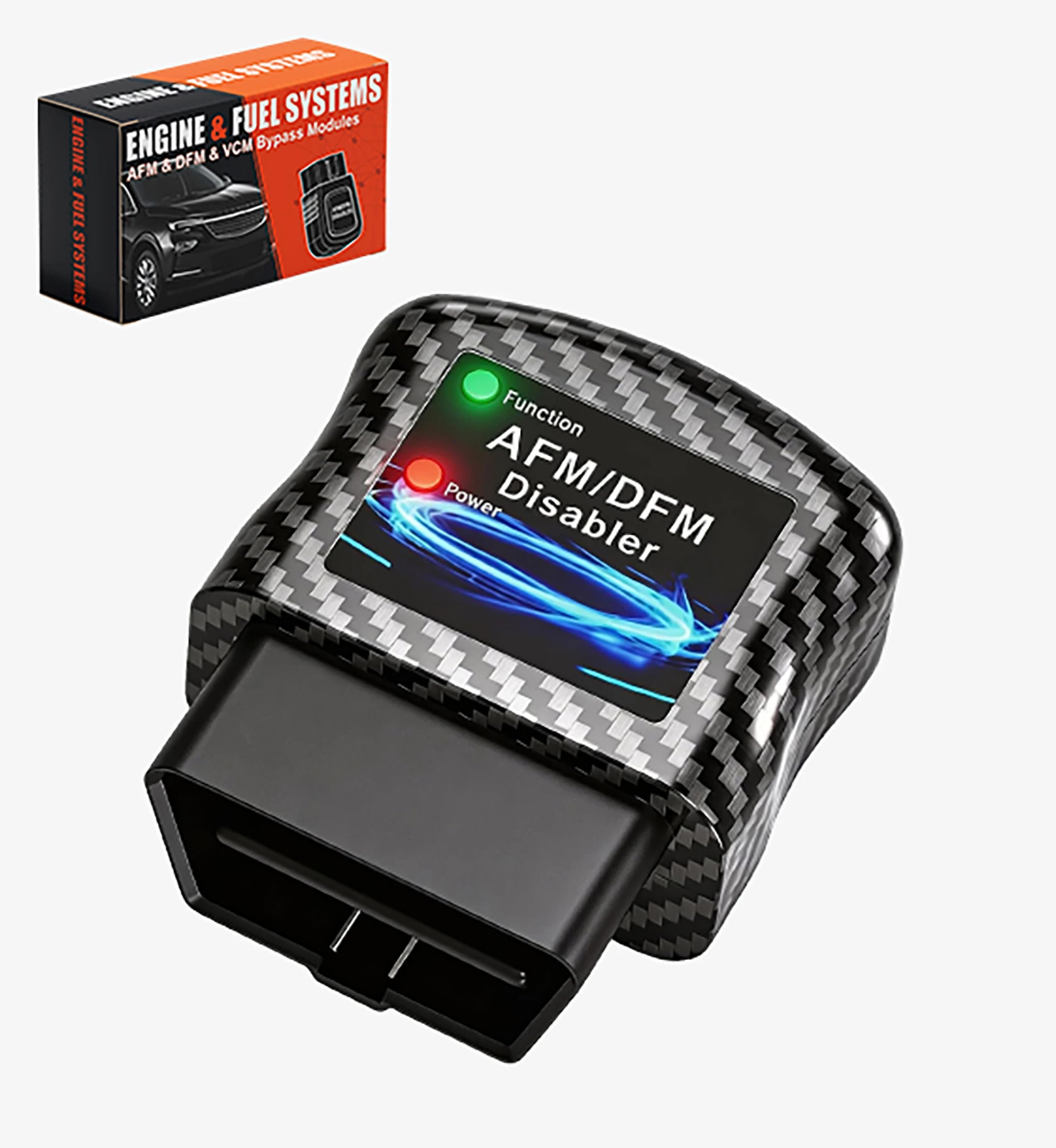 2007–2017 GMC Yukon Denali
AFM/DFM Disabler · OBD-II
$79.99
6.0L / 6.2L V8 · listed for both engine options
2007–2017 GMC Yukon Denali
AFM/DFM Disabler · OBD-II
$79.99
6.0L / 6.2L V8 · listed for both engine options
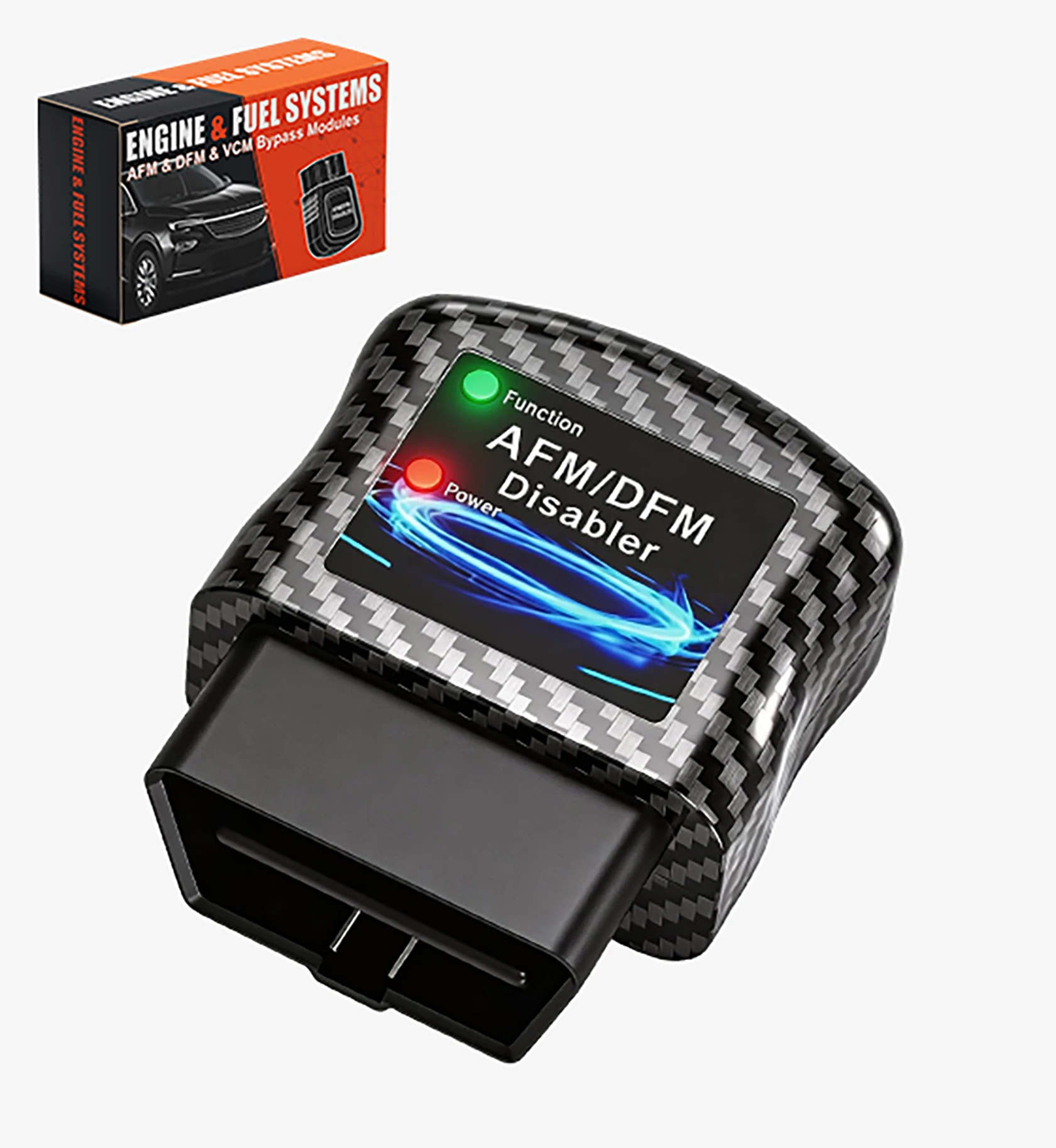 2010–2013 Cadillac Escalade EXT
AFM/DFM Disabler · OBD-II
$79.99
6.2L V8 · EXT carries its own application
2010–2013 Cadillac Escalade EXT
AFM/DFM Disabler · OBD-II
$79.99
6.2L V8 · EXT carries its own application
 2008–2016 GMC Sierra
TPMS Sensor Emulator · in-cabin
$119.99
All four positions · for monitors past sensor service
2008–2016 GMC Sierra
TPMS Sensor Emulator · in-cabin
$119.99
All four positions · for monitors past sensor service
 2007–2016 Silverado 2500 / HD
TPMS Sensor Emulator · in-cabin
$119.99
2500 and 2500 HD listed as their own application
2007–2016 Silverado 2500 / HD
TPMS Sensor Emulator · in-cabin
$119.99
2500 and 2500 HD listed as their own application
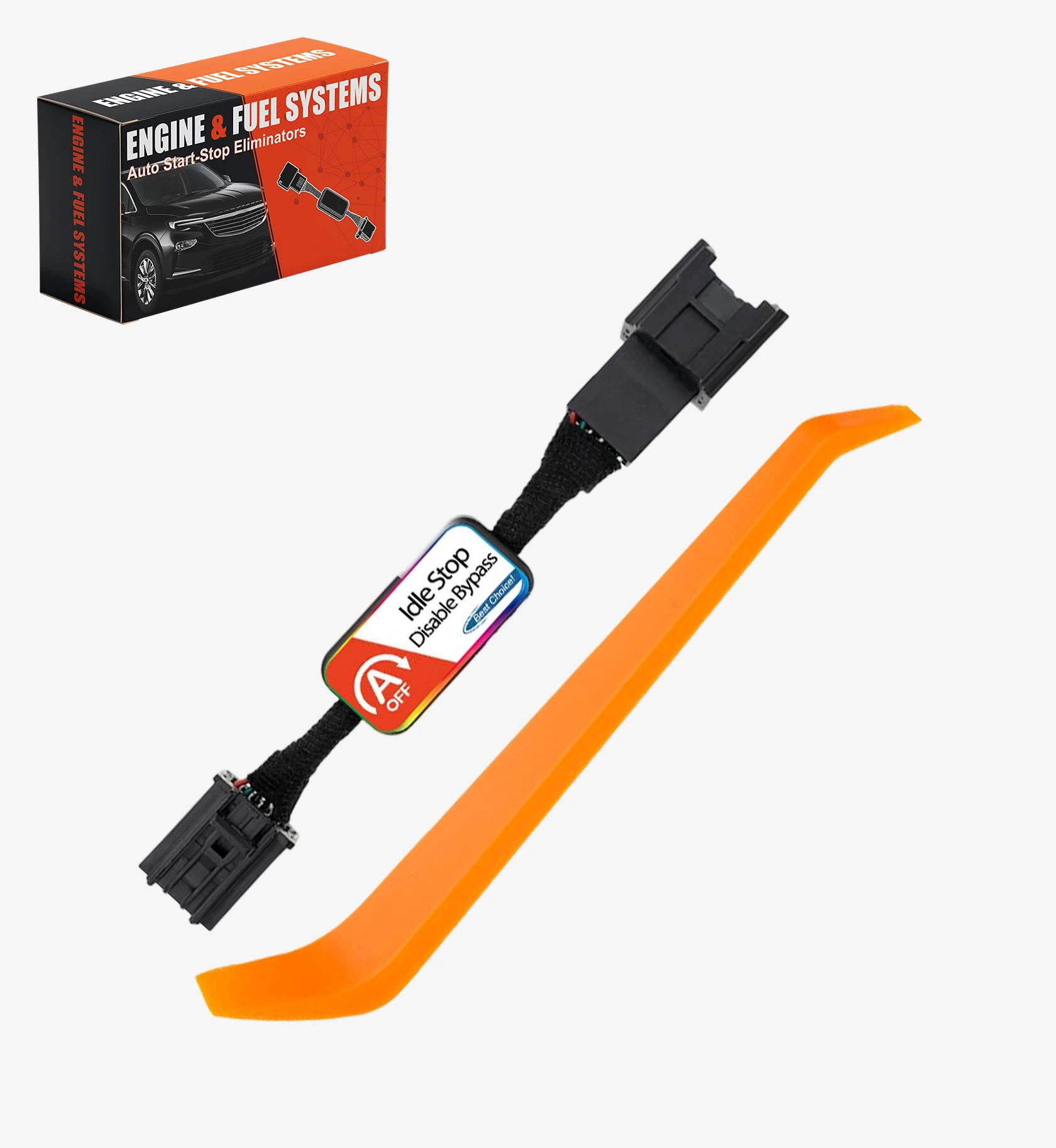 2019–2021 Silverado 1500
Start-Stop Eliminator · plug & play
$79.99
Remembers the setting between drives
2019–2021 Silverado 1500
Start-Stop Eliminator · plug & play
$79.99
Remembers the setting between drives
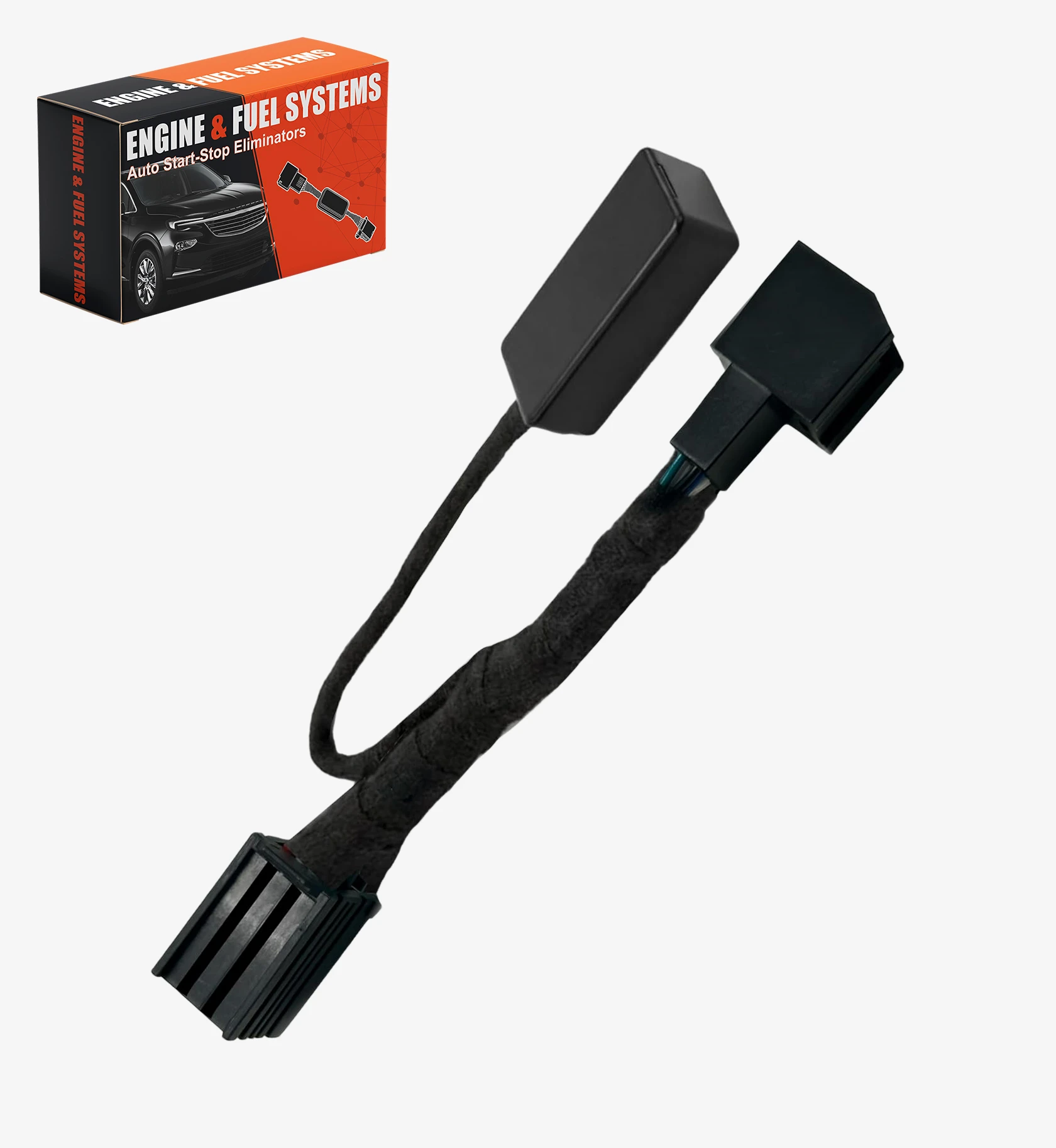 RAM 1500
Start-Stop Eliminator · gateway harness
$79.99
Fits at the gateway rather than the button
RAM 1500
Start-Stop Eliminator · gateway harness
$79.99
Fits at the gateway rather than the button
Match before you buy. The disabler catalog, the emulator catalog and the start-stop catalog all print engine lines and model years, and the vehicle compatibility guide shows how to read yours off the car in five minutes.
12 — Related Guides