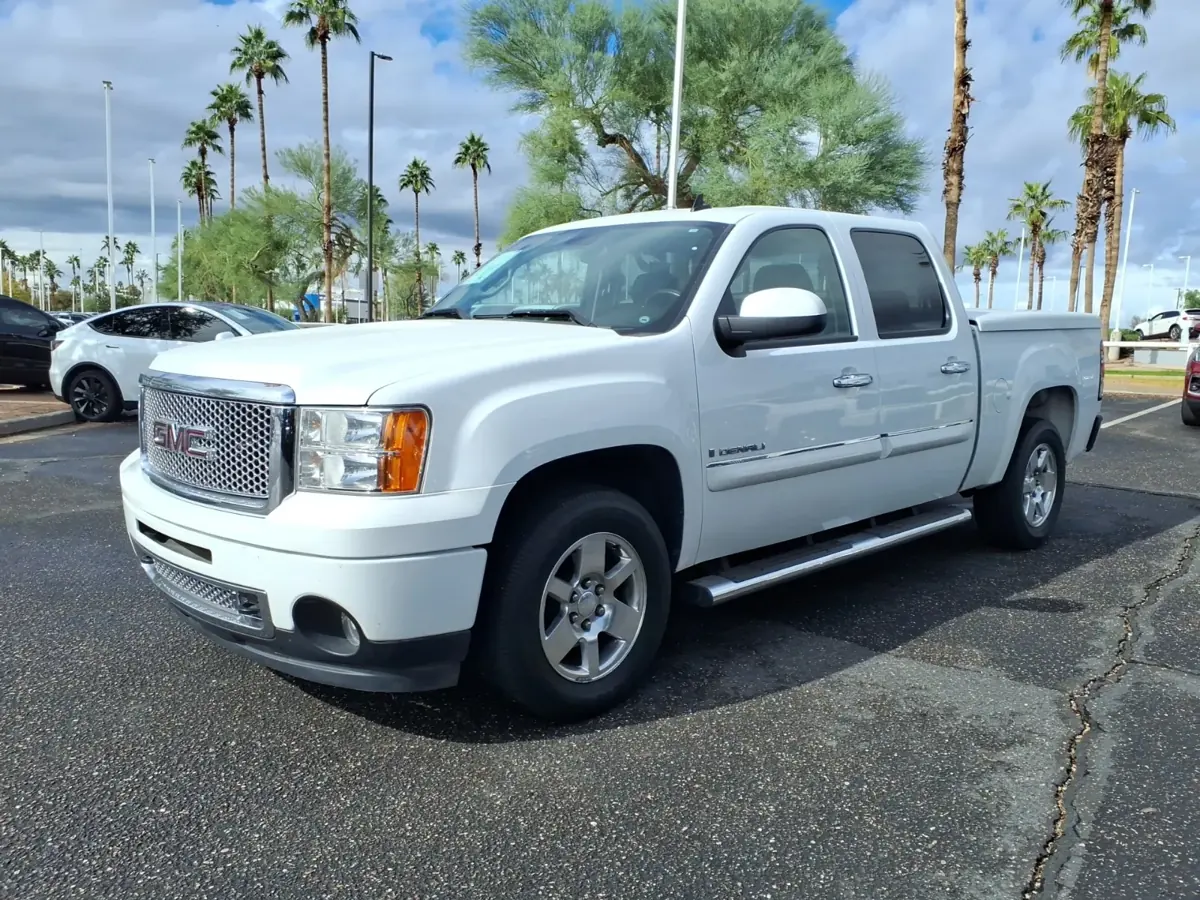
"It feels like driving over rumble strips." We hear that sentence from GM truck and SUV owners almost every week. Some of them have a transmission problem. Some have an engine misfire. Some are feeling the engine switch in and out of four-cylinder mode. A few have a worn driveshaft joint or an out-of-balance tire that has nothing to do with any of those.
The trouble is that all of these feel similar from the driver's seat, and the fixes are completely different. A transmission fluid exchange will not cure a bad lifter. Turning AFM off will not cure a slipping torque converter clutch. This guide shows how to separate them, using GM's own service bulletin on torque converter shudder as a reference, and sets out a test order that wastes the least time and money.
Key Takeaways
Note when the shudder happens. Torque converter clutch shudder usually shows up at light throttle and steady speeds between 25 and 80 mph, with no gear change under way. A shudder that comes and goes as the engine switches into and out of V4 mode points to AFM. A shudder that comes with a flashing check engine light or misfire codes is a misfire until proven otherwise.
| Question | Short answer |
|---|---|
| What does GM say torque converter shudder feels like? | Like driving over rumble strips or rough concrete expansion joints, during light throttle at 25 to 80 mph steady speed (bulletin 18-NA-355). |
| Which GM vehicles does that bulletin cover? | Models with the 8L45 or 8L90 8-speed automatic, including 2015 to 2018 Silverado and Sierra models with those transmissions, plus 2015 to 2017 Yukon and Escalade models with the L86 V8. |
| What is GM's fix? | A one-time fluid exchange to Mobil 1 Synthetic LV ATF HP, using a set procedure. The bulletin says full effect may take up to 200 miles and two cold-to-hot drive cycles. |
| How do I test whether AFM is the cause? | Hold AFM off with a plug-in disabler for a few days of normal driving. If the shudder disappears, AFM transitions were part of it. If not, look elsewhere. |
| When should I stop driving and get it checked? | A flashing check engine light means an active misfire that can damage the catalytic converter. Get it diagnosed promptly. |
Three common causes that feel alike
Before getting into tests, it helps to understand what each problem actually is, because the mechanism explains when it shows up.
AFM transitions and V4 mode
Active Fuel Management shuts off half the cylinders under light load. On a V8, four cylinders do the work while four sit with their valves closed. That changes the firing frequency and the way torque pulses reach the driveline. GM uses engine calibration and mount design to keep that vibration out of the cab. When everything is working, most drivers barely notice. When engine mounts are worn, exhaust components are touching the frame, or the switch into and out of V4 is rough, owners describe a drone, a buzz or a low-frequency shake that comes and goes as the engine changes modes. We explain how the system works in more depth in our guide to GM AFM and DFM.
Torque converter clutch shudder
The torque converter connects the engine to the transmission through fluid. To save fuel, a clutch inside it locks the engine and transmission together at cruising speeds. If that clutch slips and grabs instead of applying smoothly, you feel a shudder that many people mistake for an engine problem. GM's bulletin 18-NA-355 describes this condition on its 8-speed automatics in detail, which we cover below.
Misfires
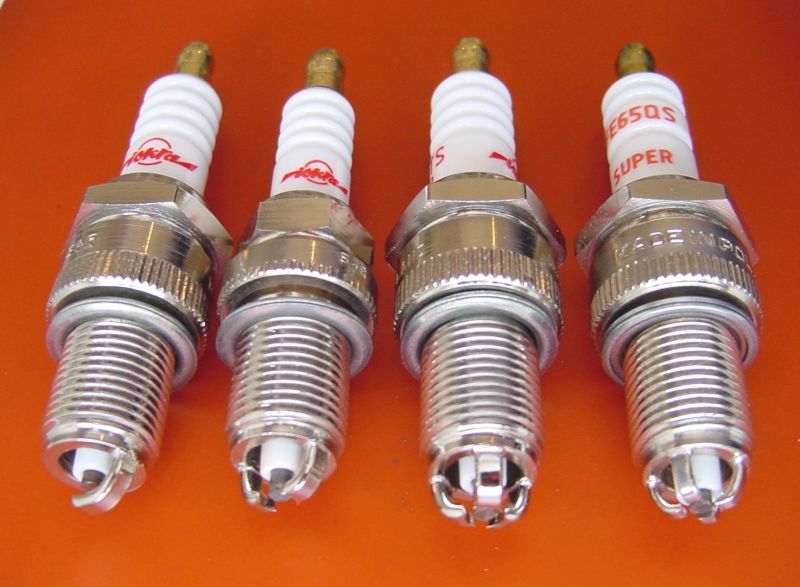
A misfire is a cylinder that fails to burn its fuel properly on one or more cycles. The cause can be ignition (plug, coil), fuel (injector), or mechanical (a collapsed lifter or worn cam lobe that stops a valve from opening). A misfiring engine stumbles and shakes, and the shake usually gets worse under load. Misfires normally leave codes behind, which makes them the easiest of the three to confirm. Our P0300 diagnosis guide goes through the misfire side in full.
| Clue | AFM transition / V4 | Torque converter clutch shudder | Misfire |
|---|---|---|---|
| Typical speed | Steady cruising, light throttle | Light throttle, 25–80 mph steady speed (per GM bulletin) | Any speed; often worse under load |
| Feels like | Drone, buzz or rolling shake as the engine changes modes | Rumble strips or rough expansion joints | Stumble, jerk, uneven idle |
| Goes away when you press harder? | Often, because the engine returns to all cylinders | Often, because the converter clutch releases or applies fully | Usually gets worse |
| Check engine light | Not by itself | Not usually, unless there is a separate fault | Often, flashing during an active misfire |
| Typical codes | None by itself; lifter problems can cause misfire codes | Sometimes torque converter or transmission codes | P0300 to P0308 |
| Changes when AFM is held off | Yes, disappears or changes noticeably | No | Not usually; may change if a deactivation lifter is involved |
What GM bulletin 18-NA-355 says
The most detailed public description of torque converter shudder on recent GM trucks is GM's own service bulletin 18-NA-355, "Shake and/or Shudder During Light Throttle Acceleration Between 25 and 80 MPH at Steady Speed." The April 2020 version is filed with NHTSA and available as a PDF on nhtsa.gov. Here is what it says, in plain terms.
| Bulletin item | What it says |
|---|---|
| Condition | Shake or shudder during light throttle acceleration between 25 and 80 mph at steady speed, when the transmission is not actively shifting |
| How customers describe it | Like driving over rumble strips or a concrete road with rough expansion joints |
| Cause | May be due to torque converter clutch (TCC) shudder |
| Transmissions | 8L45 and 8L90 8-speed automatics (RPO M5N, M5T, M5U, M5X depending on model) |
| Silverado and Sierra | 2015 to 2018 models with the listed 8-speed transmissions (M5U, M5X) |
| Yukon and Escalade | 2015 to 2017 models with the 6.2L L86 and M5U transmission |
| Other models | Colorado and Canyon (2017–2019), Camaro, Corvette, ATS, CTS, CT6 |
| Correction | A fluid exchange to Mobil 1 Synthetic LV ATF HP using the published procedure; 20 quarts for most listed models |
| Important warning | Mixing other transmission fluids or aftermarket additives will leave a low concentration of the new fluid and will not give satisfactory results |
| How long until it improves | Should improve right away, but may take up to 200 miles and at least two cold-to-operating-temperature drive cycles to be eliminated |
| How often | The procedure should be done only once per vehicle |
| Labor time listed | 1.1 hours for the fluid exchange |
Two lines in that bulletin matter for anyone trying to diagnose a shudder. First, GM says outright that "sometimes shudder is not caused by the torque converter clutch," and lists fish bite, chuggle, surge and vibration as other possibilities. Second, if a vehicle comes back after the fluid exchange, GM tells technicians to diagnose it with the normal procedures rather than repeating the exchange. In other words, even GM does not treat every shudder as a converter problem.
Which trucks are not on that list: the bulletin covers the 8-speed transmissions. A 2007 to 2014 GM truck or SUV with a 6-speed automatic is outside it. Converters on those transmissions can still shudder, but this particular bulletin and fluid procedure do not apply to them, so a shop needs to diagnose them on their own merits.
What the class action revealed about the 8-speed
The 8-speed shudder has also been the subject of a large class action, Speerly v. General Motors, in federal court in Michigan. In June 2025, the full Sixth Circuit Court of Appeals vacated the certification of 26 statewide subclasses covering roughly 800,000 vehicle buyers and sent the case back to the district court. That decision was about whether the claims could proceed as a class, not a ruling that the transmissions were or were not defective.
The opinion does summarize the record in useful detail. According to the court's description, the plaintiffs alleged that the 8L transmission fluid absorbed moisture, especially in humid climates, changing its viscosity and leading to the "shake/shudder feeling." The court noted that GM developed a moisture-resistant fluid in December 2018 and instructed dealers to resolve shudder complaints by flushing transmissions with the new fluid, and that most customers who received it did not complain about shudder again. The opinion also notes that GM repaired the shudder condition in 252,059 8L transmissions.
We mention the case because it confirms two practical points. Torque converter shudder on these transmissions is a well-documented, fluid-related condition with a known dealer procedure. And it is a separate issue from AFM. A truck can have one, the other, or both. An earlier August 2024 panel opinion in the same case is also public if you want the procedural history. None of this is legal advice; if you think your vehicle is part of a case, talk to a lawyer.
How AFM vibration shows up in real driving
AFM-related complaints have a pattern that becomes easy to spot once you know it. The engine has to be warm, the load has to be light, and the truck has to be cruising or gently accelerating. That is why owners notice it on a flat road at 40 to 60 mph, on a slight downhill, or when holding a steady highway speed.
What owners describe varies:
- A low drone through the cab that starts and stops on its own.
- A light shake in the steering wheel or seat that appears on a steady cruise and disappears when you press the pedal a little harder.
- A brief "bump" or surge as the engine switches between modes.
- More noticeable vibration after a lift kit, larger tires, or an exhaust change, which alter how vibrations travel through the truck.
If your truck has a dash or driver information display that shows V4 or eco mode, watch it while the vibration happens. If the vibration lines up with V4 mode every time, AFM is the prime suspect. Many GM trucks show this on the driver information center, depending on trim and model year. A scan tool that reads GM data can show the same information.
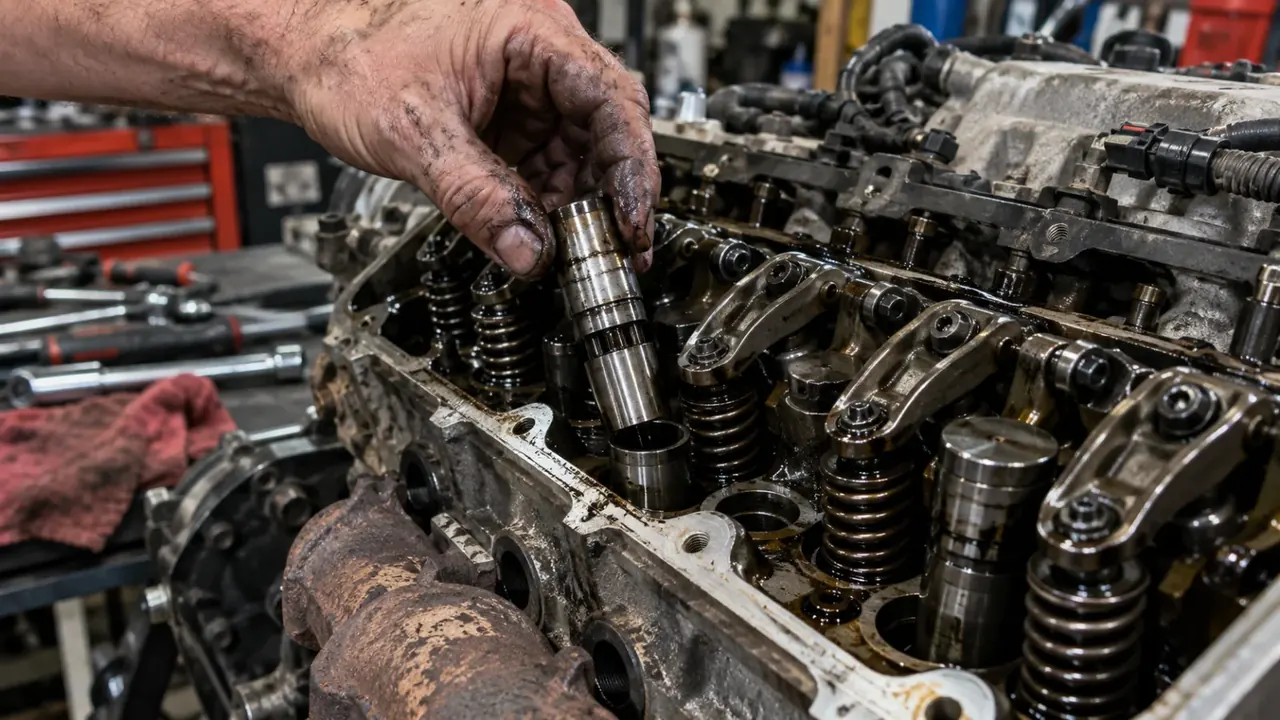
A key point: AFM vibration by itself does not set a check engine light. If you have a misfire code along with the vibration, think about the lifters. On these engines, the deactivation lifters on the AFM cylinders are a well-known failure point, and a collapsed lifter causes a misfire on that cylinder. Our AFM lifter failure symptoms guide covers what to look and listen for.
Modifications change the picture too. A lift kit changes driveshaft angles, larger and heavier tires change how the driveline loads up at cruising speed, and an aftermarket exhaust can move the drone frequency right into the cab. None of these cause AFM vibration on their own, but they can turn a barely noticeable V4 transition into something you feel every day. If your complaint started right after a modification, mention it to whoever is diagnosing the truck.
When it is really a misfire
Misfires are the one cause in this article that can do lasting damage quickly, so they come first in any diagnosis. A misfiring cylinder sends unburned fuel into the exhaust, where it can overheat the catalytic converter. That is why the check engine light flashes during a severe misfire: it is telling you to back off and get it looked at.
| What you see | What it usually means | What to do next |
|---|---|---|
| Flashing check engine light with shaking | Active misfire severe enough to risk the catalytic converter | Reduce load, avoid hard driving, get it diagnosed promptly |
| Steady check engine light, P0300 | Random or multiple-cylinder misfire | Read freeze-frame data; look for a common cause like fuel, vacuum leak or ignition |
| P0301 to P0308 on one cylinder | Misfire on that specific cylinder | Swap the coil and plug to another cylinder and see if the code follows |
| Misfire on an AFM cylinder with ticking | Possible collapsed lifter | Mechanical inspection; do not ignore |
| No codes, vibration only on steady cruise | Less likely to be a misfire | Move on to the AFM and converter tests |
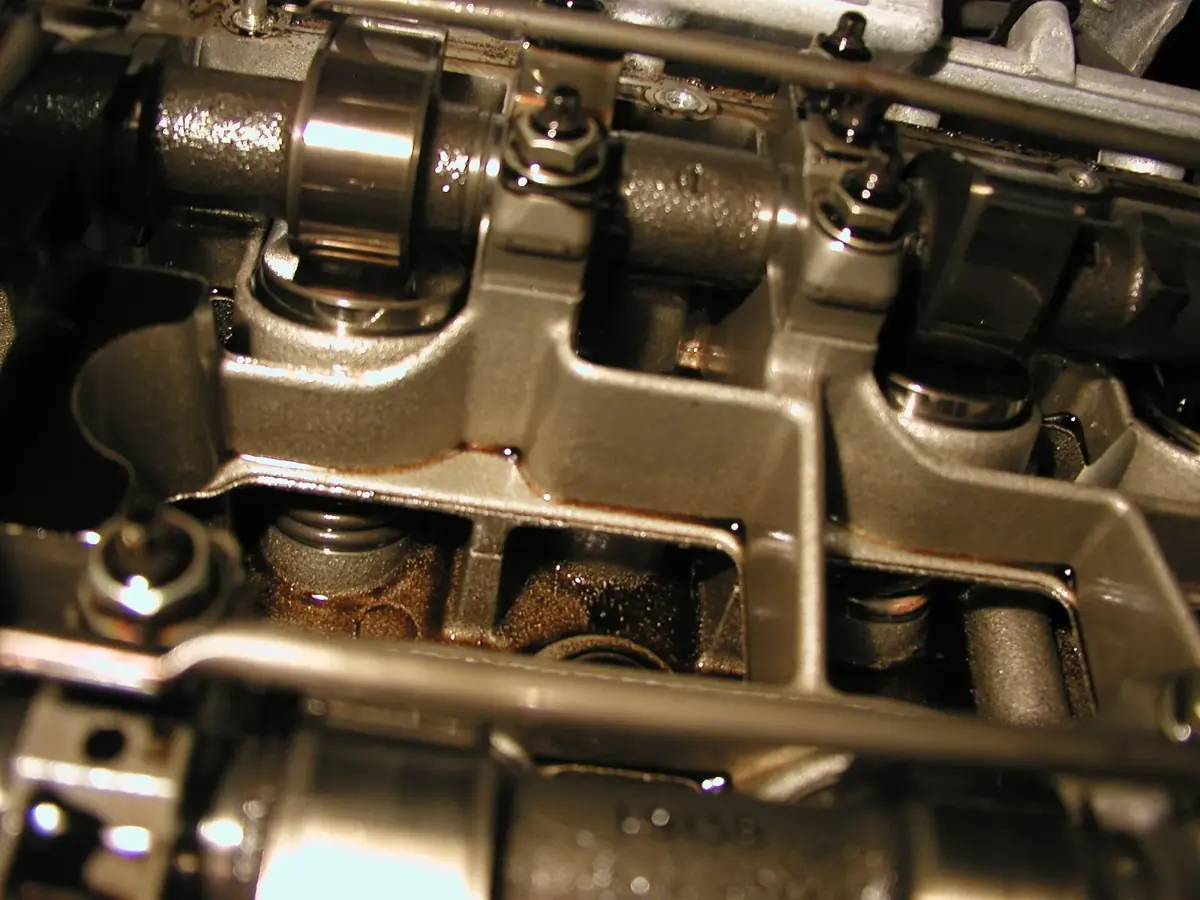
On GM V8s with AFM, cylinders 1, 7, 4 and 6 are the ones that deactivate. A misfire that keeps appearing on one of those cylinders, especially with a tick from the top of the engine, deserves a closer look at the valvetrain before you spend money on plugs and coils. We go through the full process in our misfire diagnosis guide.
Freeze-frame data is the most underused tool here. When a misfire code sets, the engine computer stores a snapshot: engine speed, load, coolant temperature, vehicle speed and more at the moment it happened. If the freeze frame shows a misfire at light load and cruising speed on a warm engine, that is exactly the window where AFM operates, and it is a strong hint to look at the deactivation hardware. If it shows heavy load at low rpm, think ignition and fuel first. Many inexpensive scanners can read freeze frame; it is worth checking before you clear any codes, because clearing them erases it.
Other causes that feel the same
GM's bulletin lists fish bite, chuggle, surge and vibration as things that can be mistaken for converter shudder. In a shop, the list of look-alikes is longer. These are worth ruling out early because they are often cheap to check.
| Cause | Typical clue | Quick check |
|---|---|---|
| Tire out of balance or out of round | Vibration that rises steadily with road speed, not throttle | Rotate tires front to rear and see if the vibration changes |
| Worn U-joints or driveshaft imbalance | Vibration under load and on takeoff, clunk on shifts | Inspect U-joints for play and rust dust |
| Worn engine or transmission mounts | Shake on load changes; worse in V4 mode | Watch the engine move when shifting between drive and reverse with the brake held |
| Exhaust touching the frame | Buzz or drone at certain rpm | Look for shiny contact marks and broken hangers |
| Brake rotor issues | Shake mainly while braking | Note whether it only happens under braking |
| Wheel bearing | Growl that changes when turning | Check for play with the wheel off the ground |
The difference between these and the three main causes is that most of them track road speed rather than throttle position or engine mode. A tire problem at 65 mph is there at 65 mph whether you are coasting or accelerating. A converter or AFM shudder changes when you change throttle.
A step-by-step test order
This is the order we would follow, from cheapest and most informative to most expensive. It is the same logic a good shop uses.
- Scan for codes. Any misfire codes or a flashing check engine light come first. Do not skip this step even if the shudder "feels like a transmission."
- Write down exactly when it happens. Speed, gear if you know it, throttle position, engine temperature, and whether it happens on flat ground, uphill or downhill. Ten minutes of notes saves hours of guessing.
- Do the throttle test. On a safe, flat road at the speed where it shudders, press the throttle slightly more. If the shudder stops instantly, it was likely either the converter clutch or AFM. If it gets worse, think misfire or driveline.
- Watch the AFM indicator or scan data. If the shudder lines up with V4 mode, AFM is involved.
- Hold AFM off and drive normally for several days. A plug-in disabler is the simplest reversible way to do this. If the shudder disappears completely, AFM transitions (often combined with worn mounts) were the cause. If nothing changes, AFM is not the issue.
- If it persists and you have an 8-speed covered by 18-NA-355, ask the dealer about the bulletin. Remember that the full effect can take up to 200 miles.
- If none of the above explains it, inspect the driveline, tires and mounts.
Why the AFM test comes before the fluid exchange: holding AFM off with a plug-in module costs nothing extra to undo and gives you an answer within a few days of normal driving. A fluid exchange is a one-time procedure that GM says should not be repeated. Running the reversible test first keeps your options open.
Keep one caution in mind. A disabler holds cylinder deactivation off. It does not fix lifters, converters, mounts or anything else that is broken. If the shudder goes away with the module plugged in, you have learned that AFM transitions are the trigger, which is useful information, but you should still have worn mounts or a ticking lifter checked.
What is most likely on your model year
Model year narrows the list a lot, because the transmission and engine hardware changed over time. This is a rough guide for the GM trucks and SUVs we fit, not a substitute for diagnosis.
| Vehicle and years | Transmission (typical) | Most common shudder suspects |
|---|---|---|
| Silverado / Sierra 1500, 2007–2013 | 6-speed automatic | AFM transitions with worn mounts; lifter-related misfires on AFM cylinders; driveline and tires |
| Silverado / Sierra 1500, 2014 | 6-speed automatic | Same as above; the new-generation engines still use AFM |
| Silverado / Sierra 1500, 2015–2018 with 8-speed | 8L45 / 8L90 (check your RPO codes) | Converter clutch shudder covered by 18-NA-355, then AFM and misfires |
| Silverado / Sierra 1500, 2015–2018 with 6-speed | 6-speed automatic | AFM, misfires, driveline; 18-NA-355 does not apply |
| Tahoe, Suburban, Yukon, 2007–2014 | 6-speed automatic | AFM transitions, lifter misfires, mounts |
| Yukon (6.2L) and Escalade, 2015–2017 | 8L90 (M5U) | Converter clutch shudder per 18-NA-355, then AFM |
Not sure whether your truck has the 6-speed or the 8-speed? The three-character RPO codes on the Service Parts Identification label tell you. The 8-speeds in GM's bulletin are listed as M5N, M5T, M5U and M5X. Our VIN and RPO lookup guide explains where to find the label and how to read it.
What guessing wrong usually costs
We will not quote repair prices, because they vary too much by region and shop. But the order of costs is predictable, and it explains why the test order above looks the way it does.
- Reading codes: often free at a parts store, or the price of a basic scanner you will use for years.
- Rotating tires and inspecting mounts, U-joints and exhaust hangers: inexpensive and often part of routine service.
- Holding AFM off with a plug-in module: a one-time purchase that is fully reversible and useful long after the test.
- A dealer fluid exchange under 18-NA-355: a defined procedure with a listed labor time of 1.1 hours, which the bulletin says is billed to powertrain coverage when the vehicle is still within it.
- Replacing a torque converter: the transmission has to come out, so labor is substantial.
- Lifter and camshaft repair: one of the bigger engine jobs on these trucks.
The expensive mistake we hear about most is a converter replaced on a truck whose real problem was AFM vibration and worn mounts, or plugs and coils thrown at a misfire that was really a collapsed lifter. Both are avoidable with an hour of observation and the right test order.
Using a disabler as a diagnostic tool
We sell AFM disablers, so take this section with that in mind. We think the most honest use of a plug-in module is as a reversible test before anyone spends money on bigger repairs. It plugs into the OBD-II port under the dash, needs no tools, and can be pulled out in seconds.
| Vehicle | Product | Fits |
|---|---|---|
| Chevrolet Silverado 1500 | Silverado 1500 AFM/DFM Disabler | 2007–2018; 4.3L V6 (2014–2018), 5.3L V8, 6.0L V8 |
| GMC Sierra 1500 | Sierra 1500 AFM/DFM Disabler | 2007–2018 |
| Chevrolet Tahoe | Tahoe AFM/DFM Disabler | 5.3L (2007–2018), 6.0L (2007–2014), 6.2L (2010–2017) |
| GMC Yukon | Yukon AFM/DFM Disabler | See product page for years and engines |
| GMC Yukon XL | Yukon XL AFM/DFM Disabler | See product page |
| Chevrolet Suburban | Suburban AFM/DFM Disabler | See product page |
| Cadillac Escalade | Escalade AFM/DFM Disabler | See product page |
| Chevrolet Avalanche | Avalanche AFM/DFM Disabler | See product page |
A typical test: plug the module in, confirm the power light, and drive your normal routes for three to five days. Make a note each day of whether the shudder appeared. Then unplug it for a few days and see if it returns. If the shudder follows the module on and off, you have your answer. If it does not change at all, unplug the module and move on to the converter and driveline checks with a clear conscience.
Not sure which module matches your truck? Our guide to finding your GM engine code from the VIN shows how to confirm the engine before ordering, and our AFM, DFM and VCM guide covers the full product line.
Patterns we hear from customers
We do not publish customer statistics, but some patterns come up again and again in emails and phone calls.
- The "it was AFM all along" owner. Usually a 2007 to 2014 truck with a 6-speed, a steady-cruise shudder, no codes, and a shop that wanted to replace the torque converter. The shudder stopped with AFM held off, and worn engine mounts turned out to be amplifying it.
- The 8-speed owner who needed the fluid. A 2015 to 2018 truck with the 8-speed and the classic rumble-strip feel at 40 to 60 mph. AFM made no difference; the dealer fluid exchange did.
- The owner who had both. Less common, but some trucks had a converter shudder and an AFM drone. Fixing one made the other easier to notice.
- The ticking truck. A shudder with a misfire code and a tick on one bank. That one was a lifter, and no plug-in module or fluid changes that.
The lesson in every case was the same: spend the first hour on observation and codes, not parts. A notebook on the passenger seat, a cheap scanner and a few days of paying attention to exactly when the shudder appears will tell you more than any forum thread, and it gives your shop a head start if the truck does need to go in.
How to describe the problem to a shop
Shops diagnose faster and charge less when the complaint is specific. Compare "it shakes sometimes" with this:
"Shudder at 45 to 55 mph on flat roads, light throttle, engine warm. Feels like rumble strips. Goes away if I press the pedal slightly. No check engine light. Happens every day on my commute. It stopped when I held AFM off for a week."
That description tells the technician which systems to look at first and which tests have already been done. If your truck has an 8-speed covered by 18-NA-355, mention the bulletin number. If you held AFM off and the shudder stopped, say so, and mention whether the truck has a lift, larger tires or an aftermarket exhaust.
Be ready for the shop to want to drive the truck themselves; a technician who feels the shudder will diagnose it faster. If the problem only shows up on your commute, offer to ride along and point it out.
Frequently asked questions
Is torque converter shudder the same as AFM shudder?
No. Torque converter clutch shudder comes from the clutch inside the converter slipping and grabbing. AFM vibration comes from the engine running on fewer cylinders or switching modes. They can feel similar, which is why a step-by-step test helps.
Does GM bulletin 18-NA-355 cover my 2012 Silverado?
No. The bulletin covers the 8L45 and 8L90 8-speed transmissions. For Silverado and Sierra that means 2015 to 2018 models with those transmissions. A 2007 to 2014 truck with a 6-speed is not on it.
Will an AFM disabler fix torque converter shudder?
No. A disabler only holds cylinder deactivation off. If the shudder is coming from the converter clutch, it will still be there with the module plugged in. That is what makes it a useful test.
Can I add a transmission additive instead of the fluid exchange?
GM's bulletin specifically warns that mixing other fluids or aftermarket additive packages will leave a low concentration of the new fluid and will not give satisfactory results.
How long after the fluid exchange should the shudder go away?
The bulletin says it should improve right away, but full effect may take up to 200 miles and at least two cold-to-operating-temperature drive cycles.
Can worn engine mounts make AFM vibration worse?
Yes. Mounts absorb engine vibration. When they are worn, the different vibration in V4 mode reaches the cab more easily. Mounts are worth checking whenever an AFM vibration complaint comes up.
Why does my truck shudder only when the engine is warm?
AFM usually waits for the engine to warm up before deactivating cylinders, and the torque converter clutch also applies more often once everything is at temperature. Note it as a clue, not a diagnosis.
Is it safe to keep driving with a shudder?
If the check engine light is flashing, no. Reduce load and get it checked, because an active misfire can damage the catalytic converter. A mild shudder with no codes is less urgent, but should still be diagnosed.
Which cylinders deactivate on a GM V8 with AFM?
Cylinders 1, 7, 4 and 6. A misfire that keeps appearing on one of those is a reason to look closely at the lifters.
Does the class action mean GM has to fix my transmission?
The court decision we cite only vacated class certification and sent the case back. It does not order any repair. Check your warranty coverage with a dealer and speak to a lawyer if you want legal advice.
Sources
Every outside figure in this article links to one of these sources. Store experience is described in general terms only.
- GM Service Bulletin 18-NA-355: Shake and/or Shudder During Light Throttle Acceleration Between 25 and 80 MPH (April 2020) · filed with NHTSA
- Speerly v. General Motors, LLC, No. 23-1940, en banc opinion (June 27, 2025) · U.S. Court of Appeals for the Sixth Circuit
- Speerly v. General Motors, LLC, No. 23-1940, panel opinion (August 28, 2024) · U.S. Court of Appeals for the Sixth Circuit
Next steps
Want to rule AFM in or out? Pick the module for your vehicle from the AFM/DFM Disabler line, or go straight to the Silverado 1500, Sierra 1500 or Tahoe version. Send us your VIN if you want us to confirm the fit first. Browse AFM/DFM Disablers
Related reading: